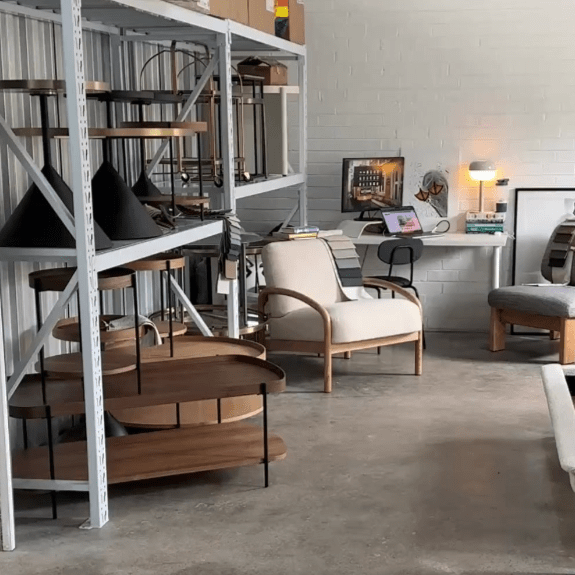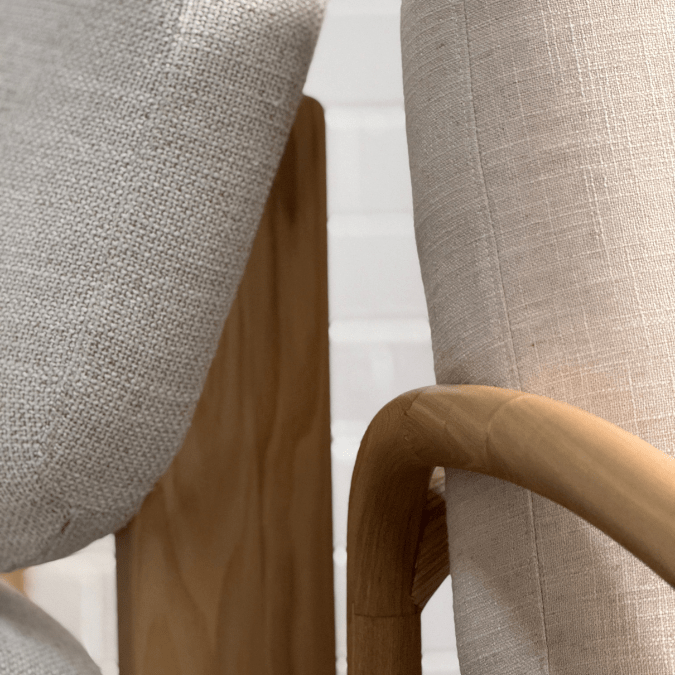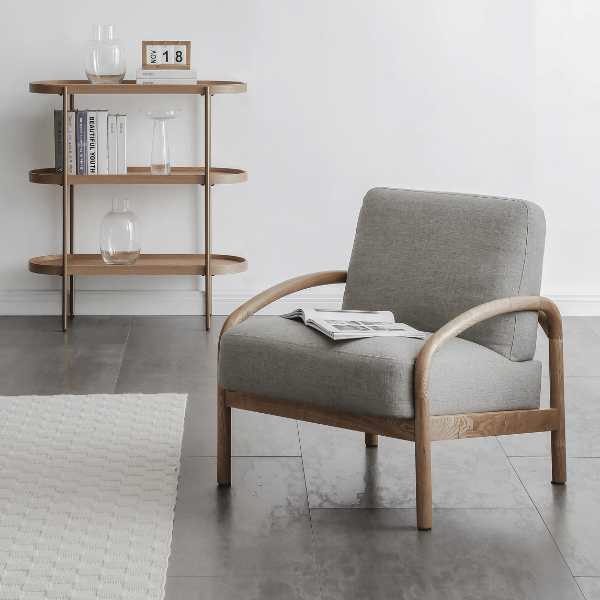

Modern Armchairs
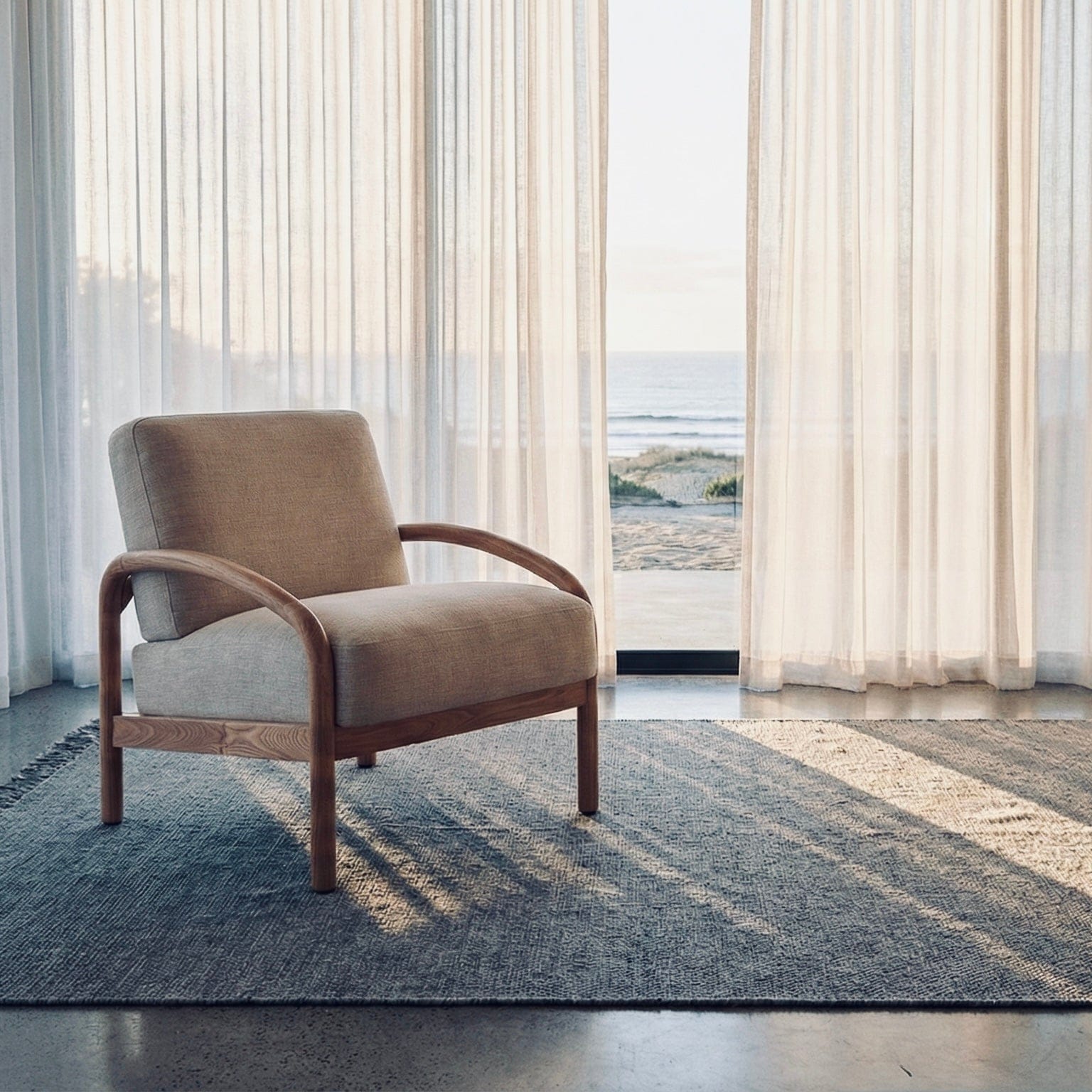
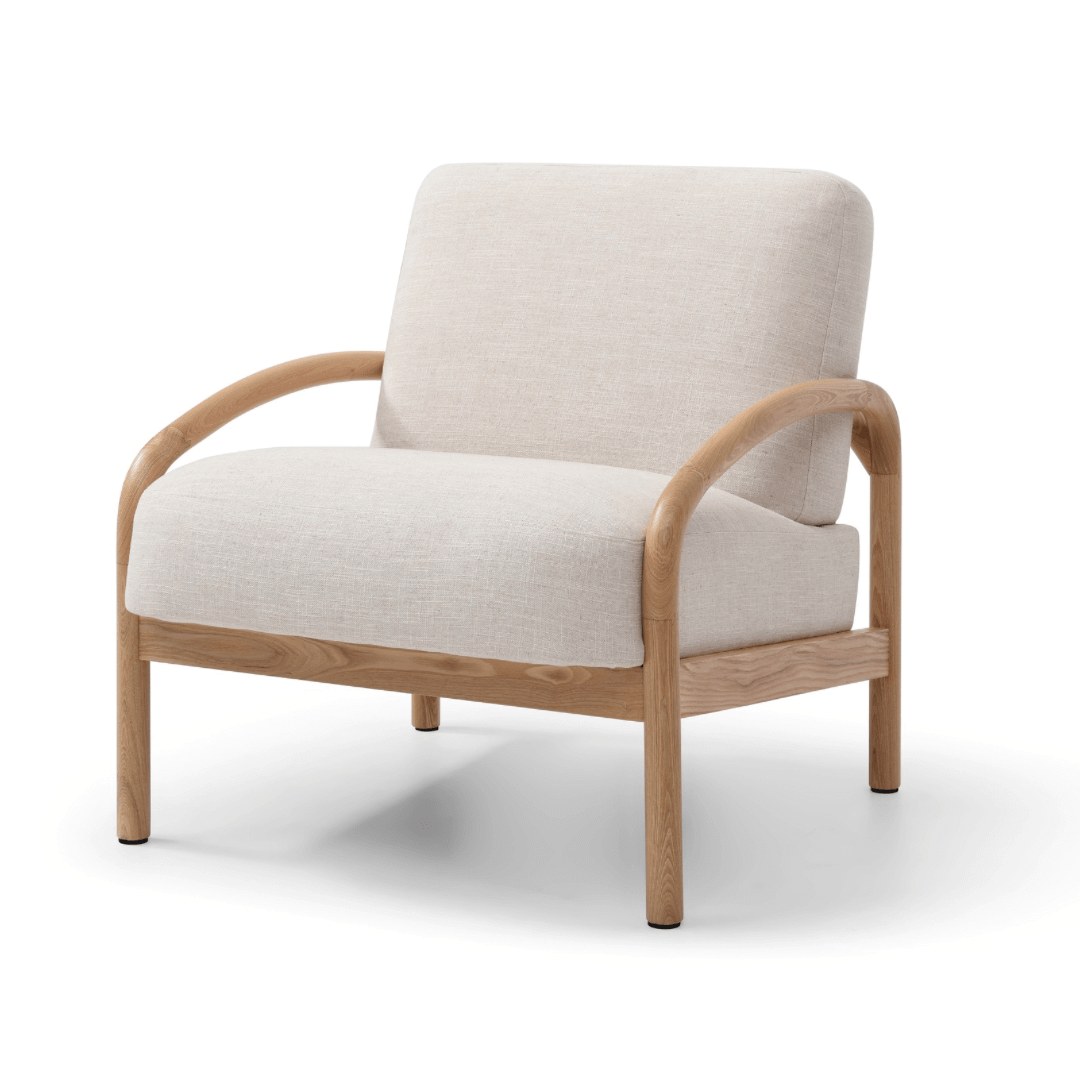
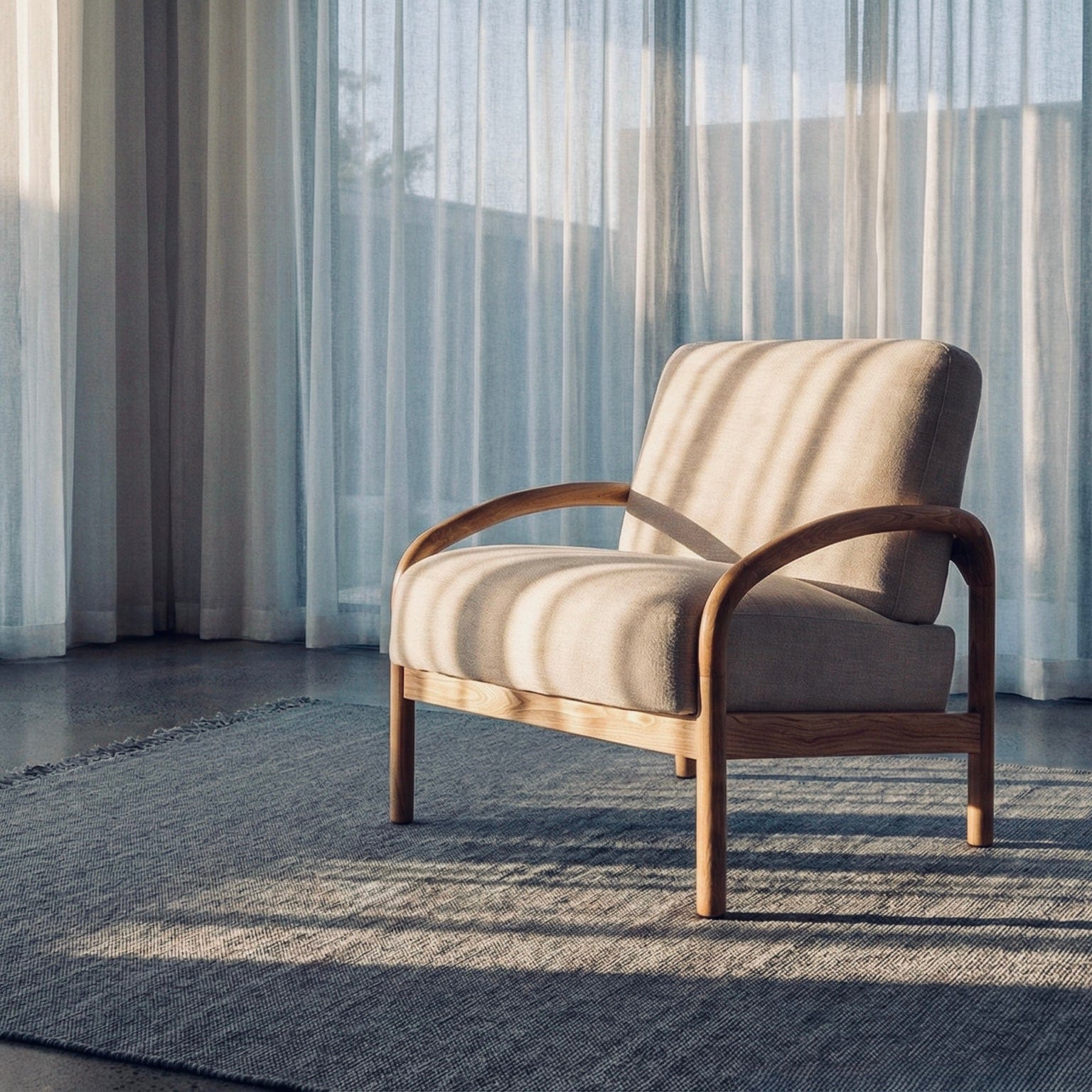
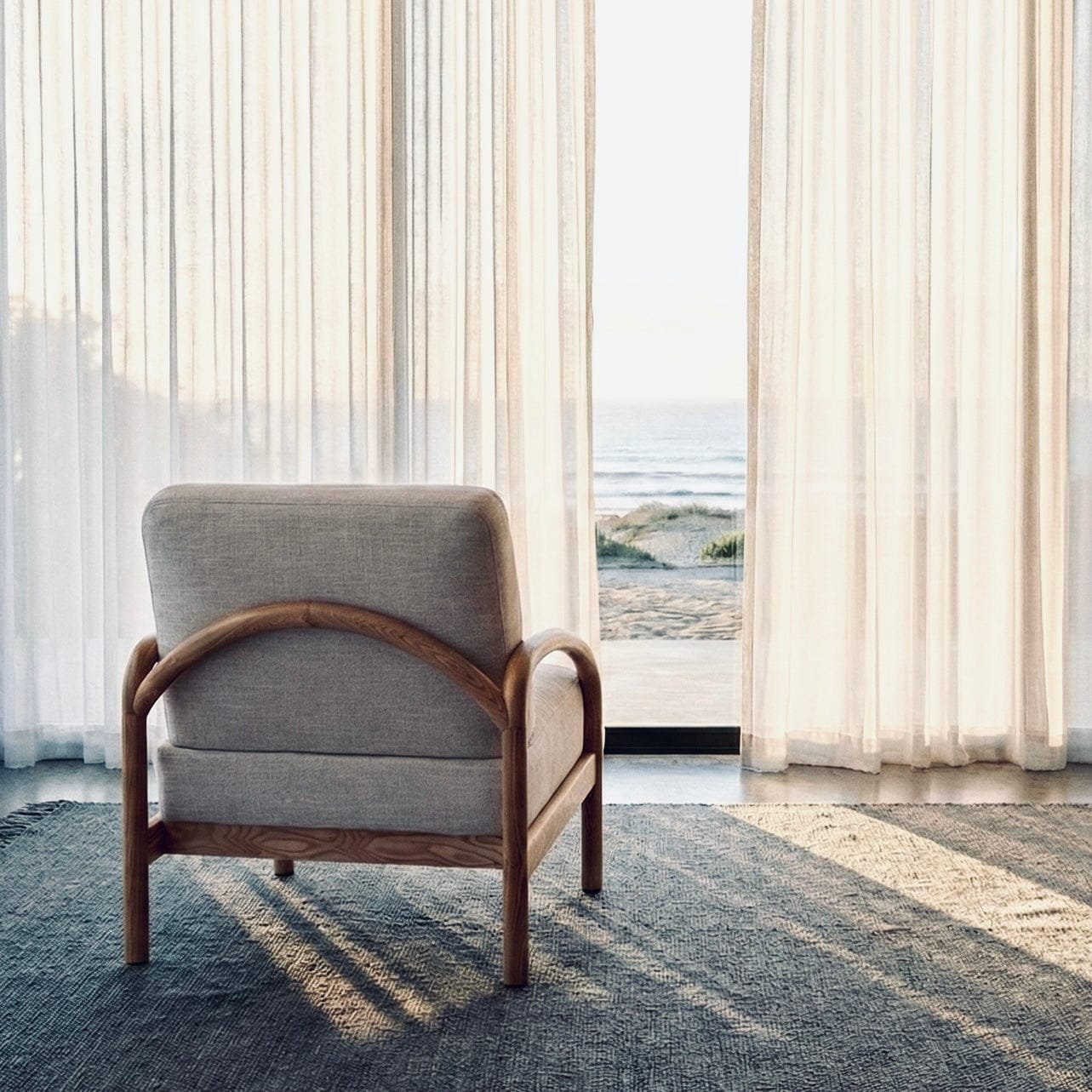
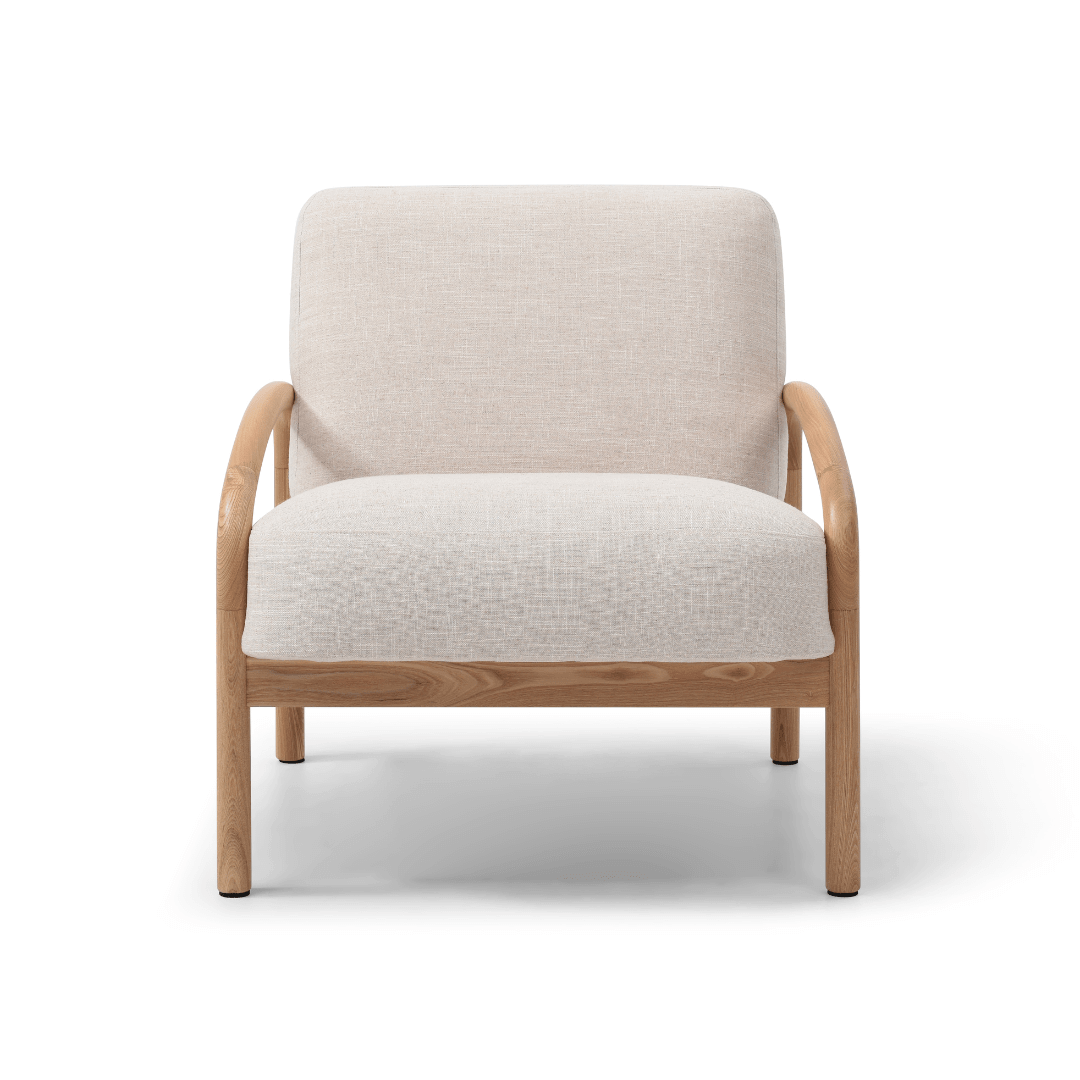
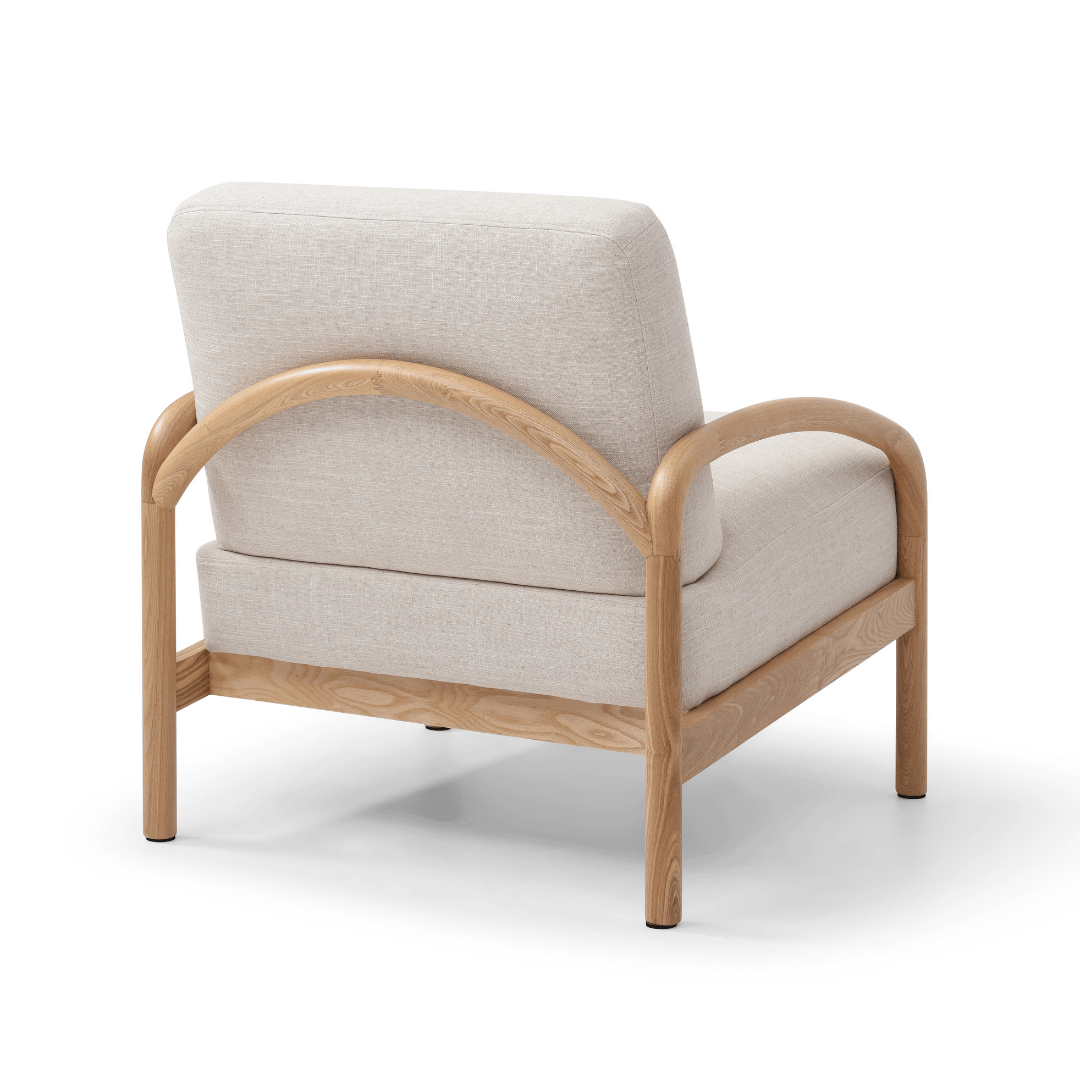
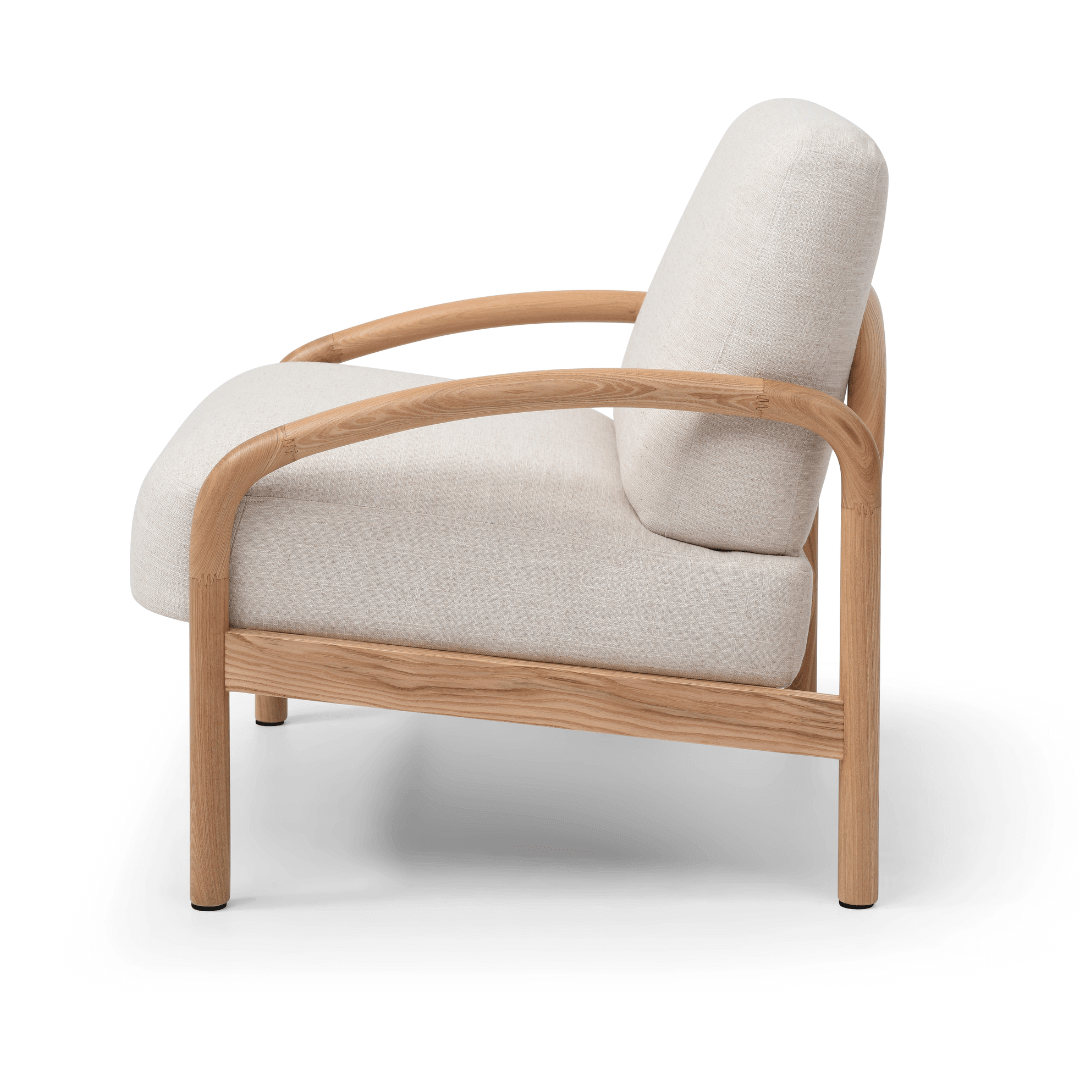
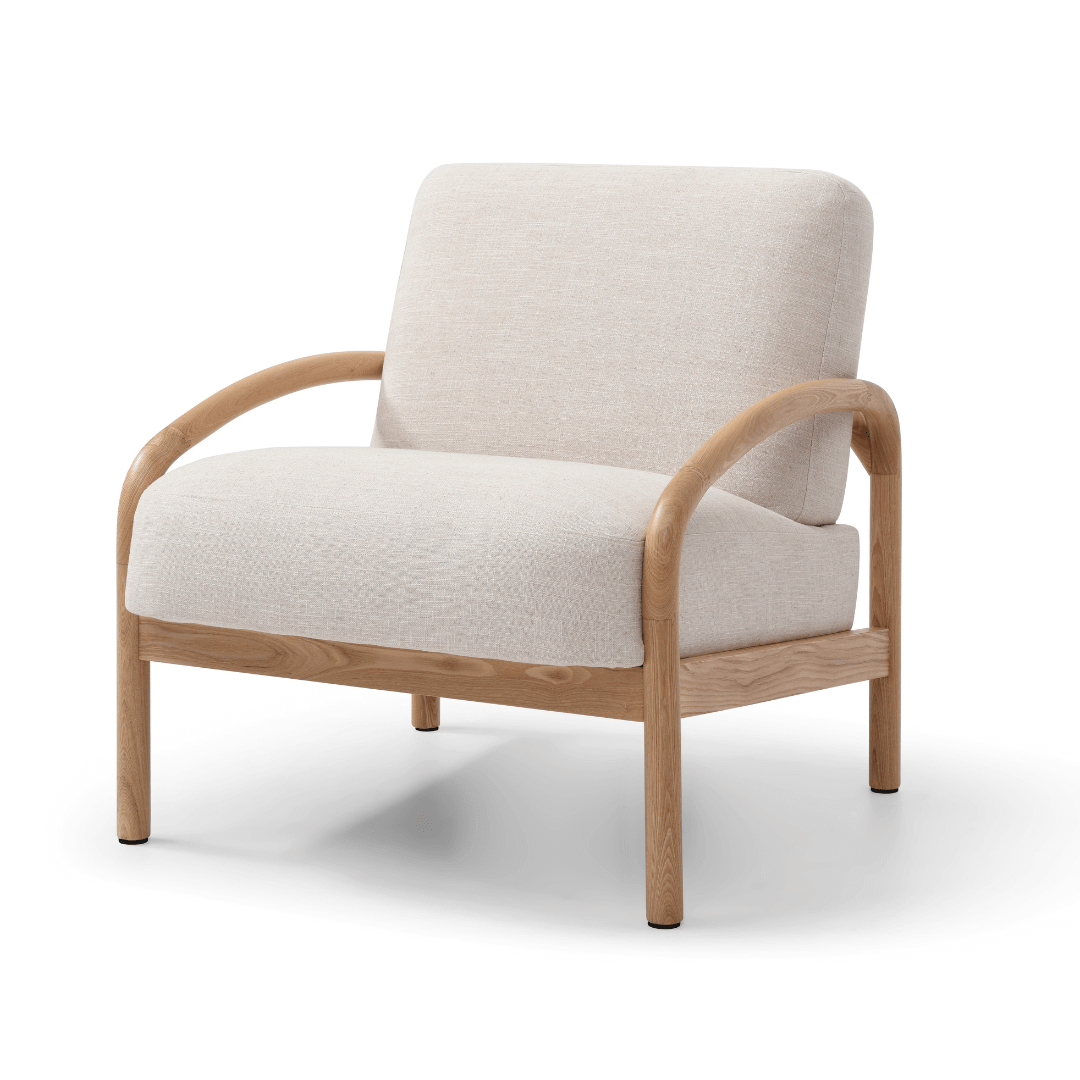
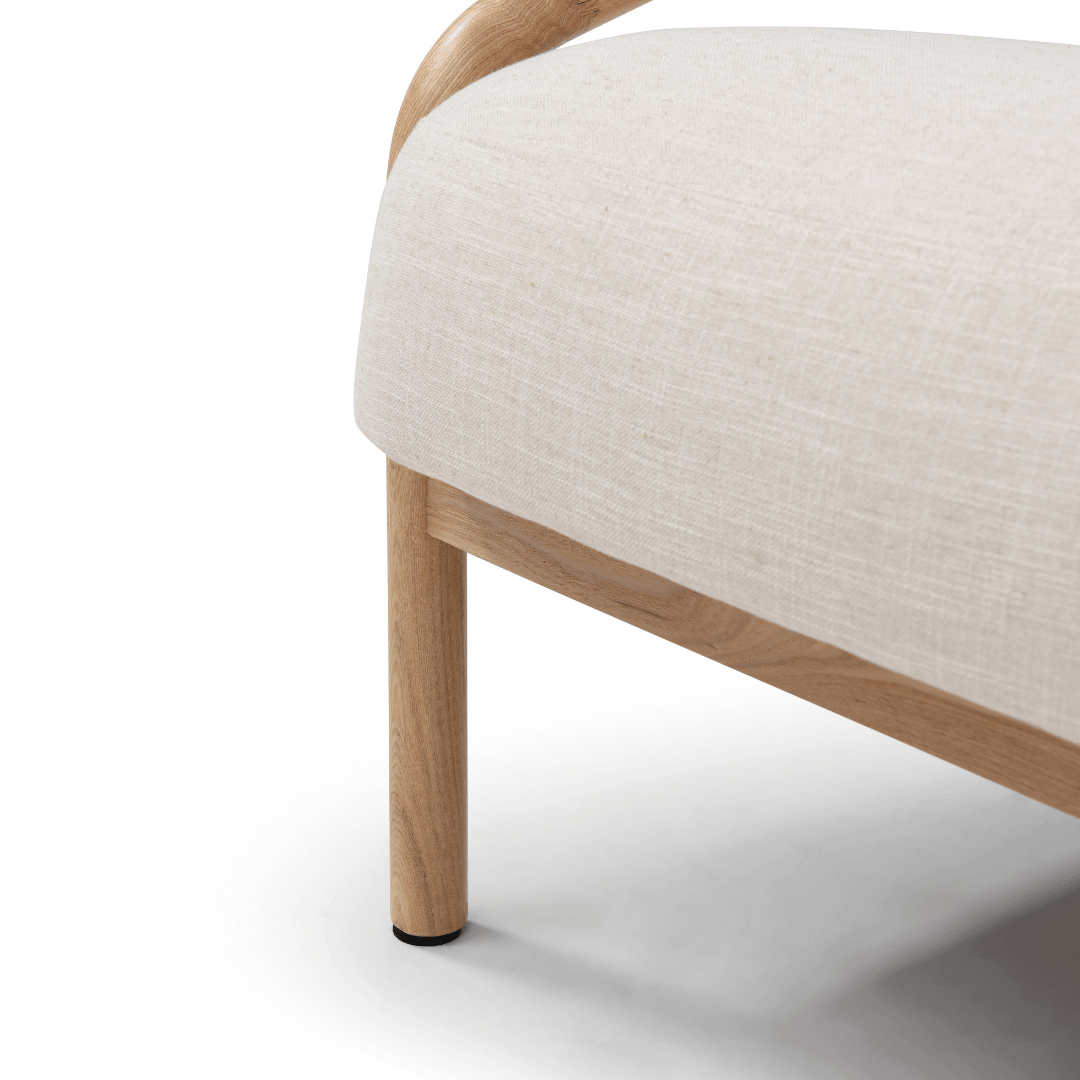
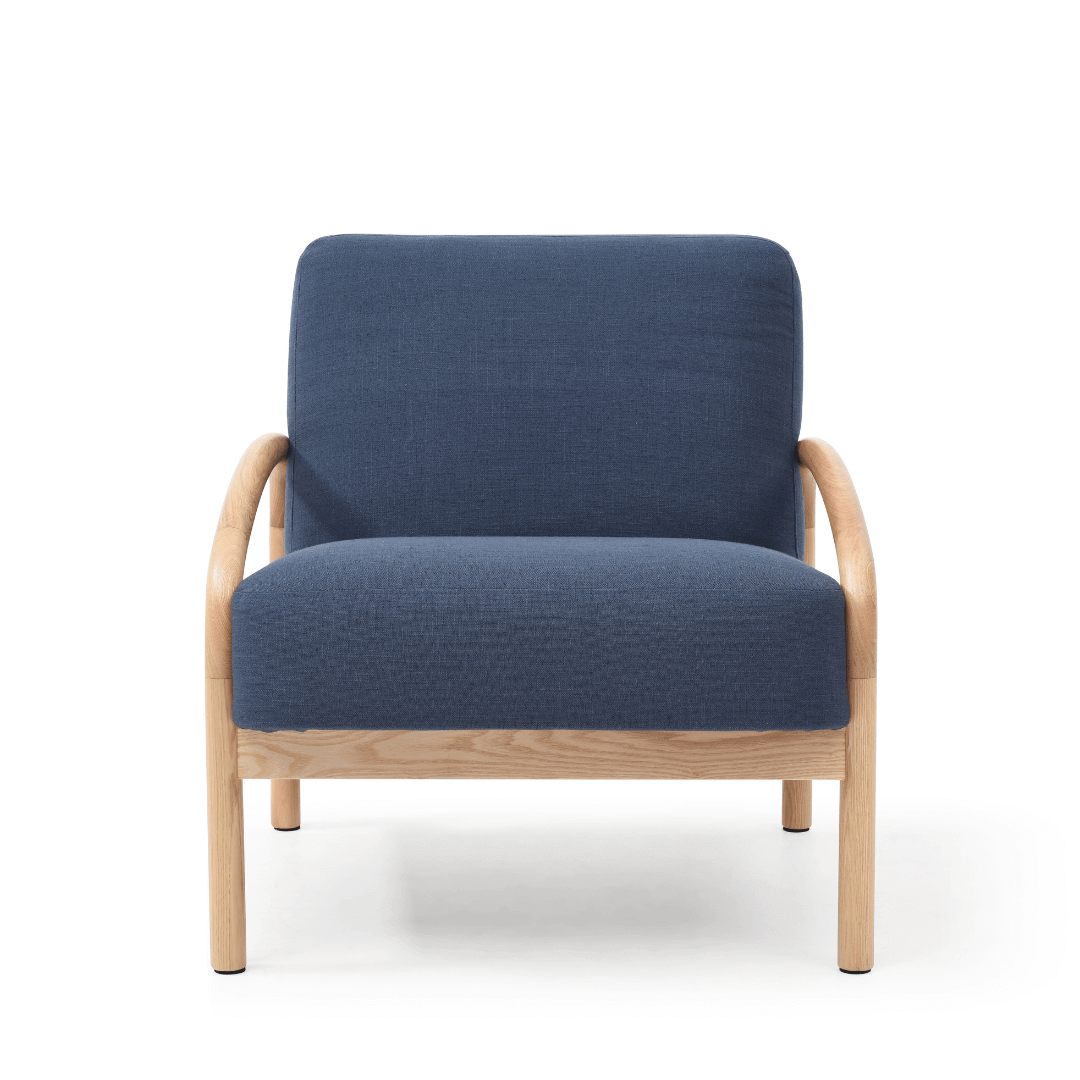
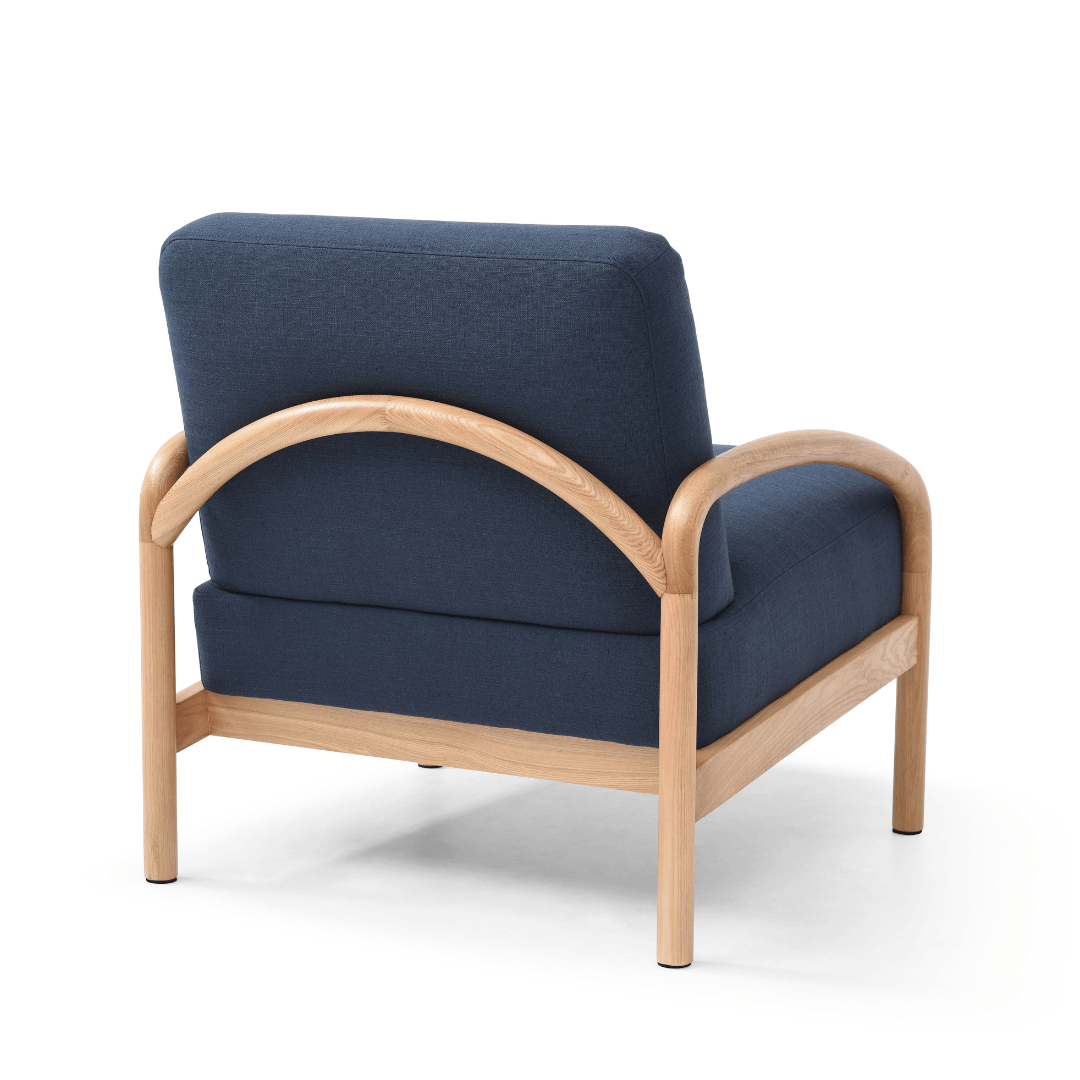
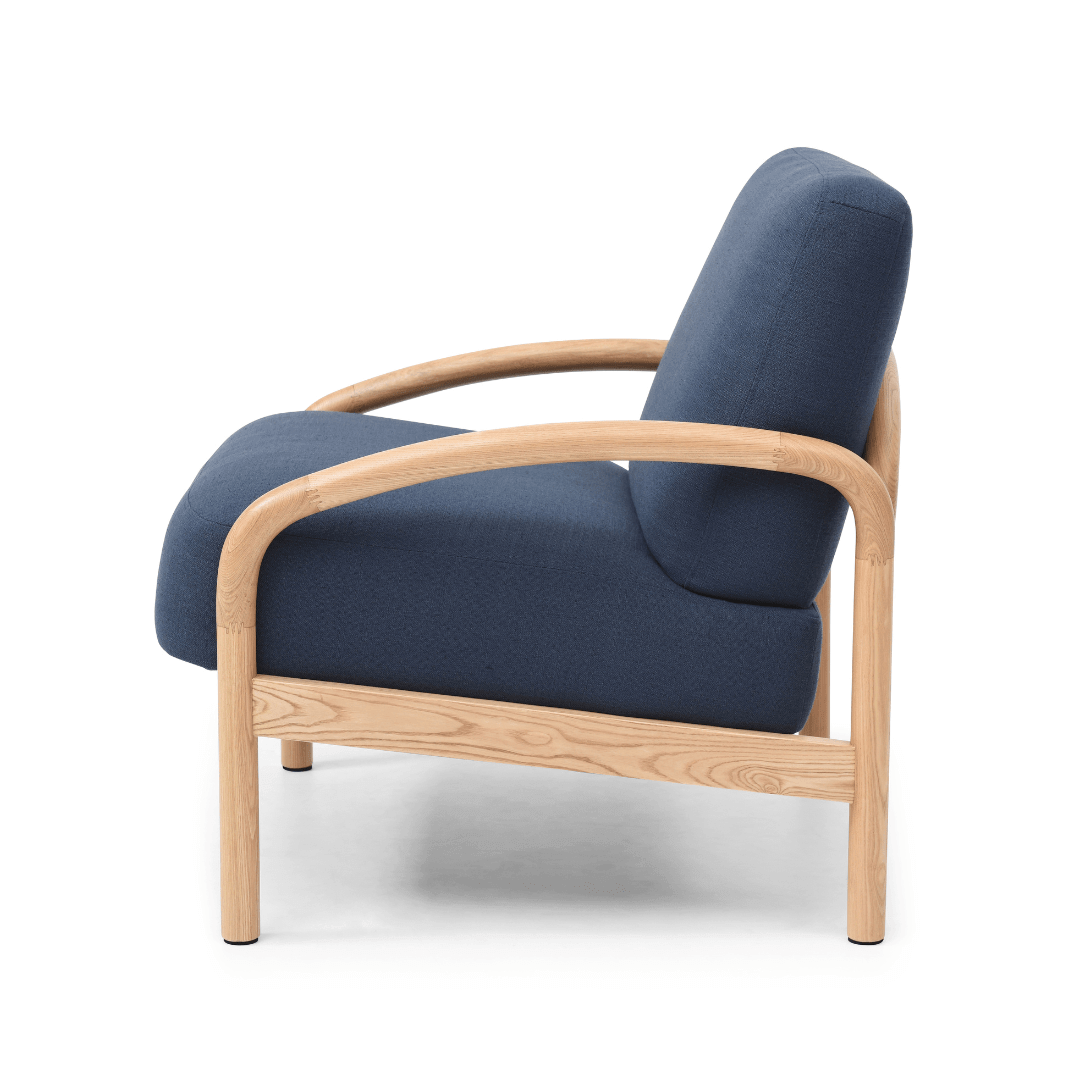
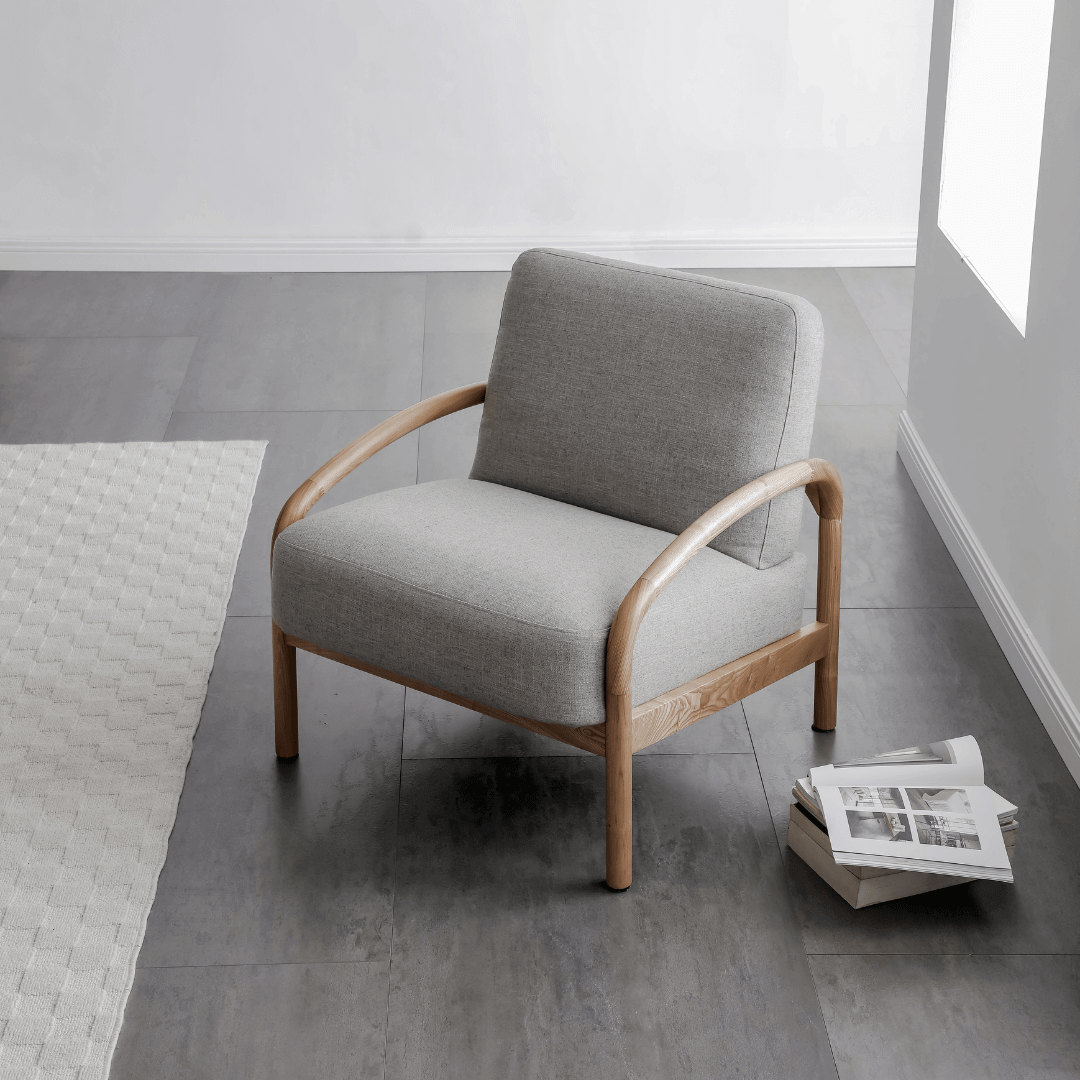
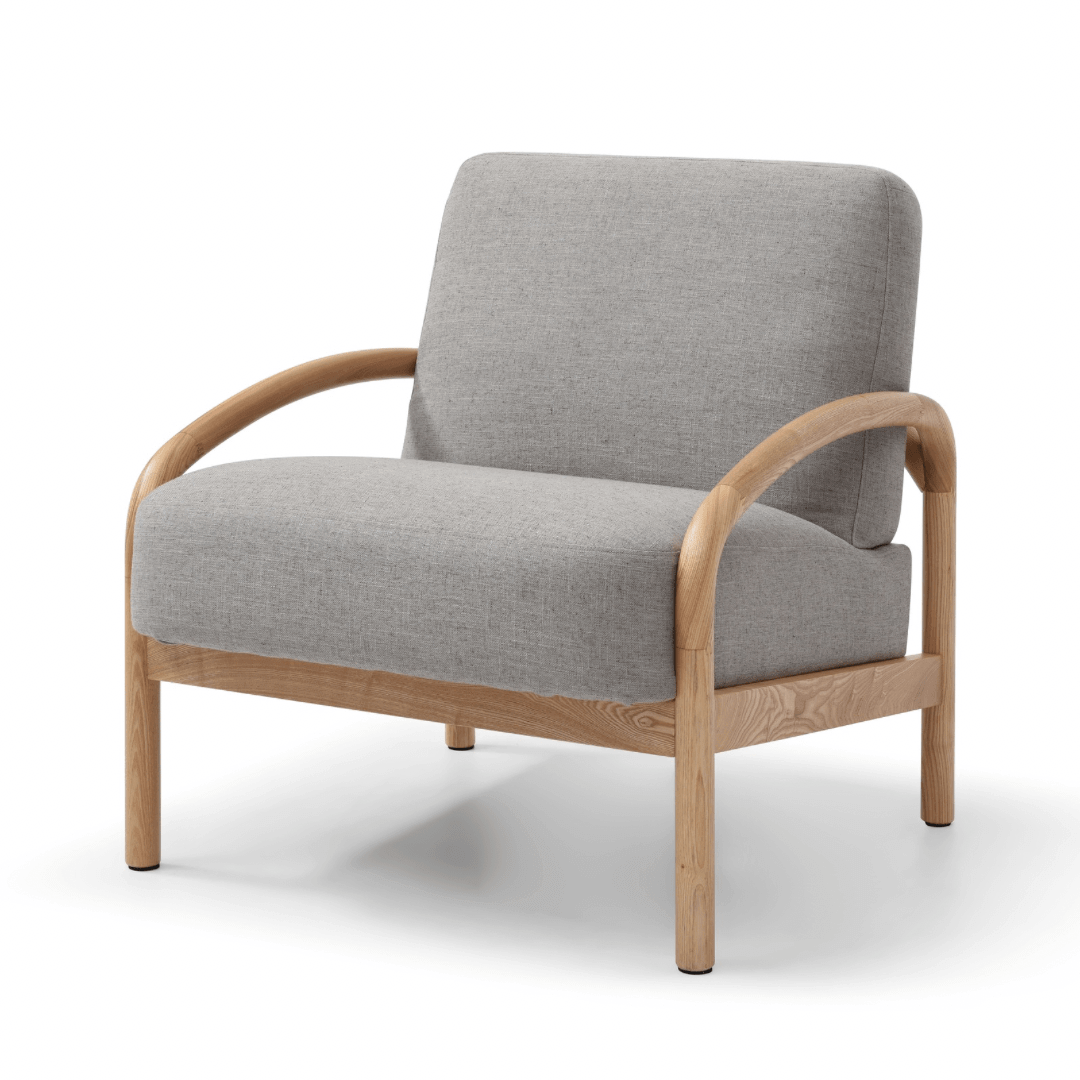
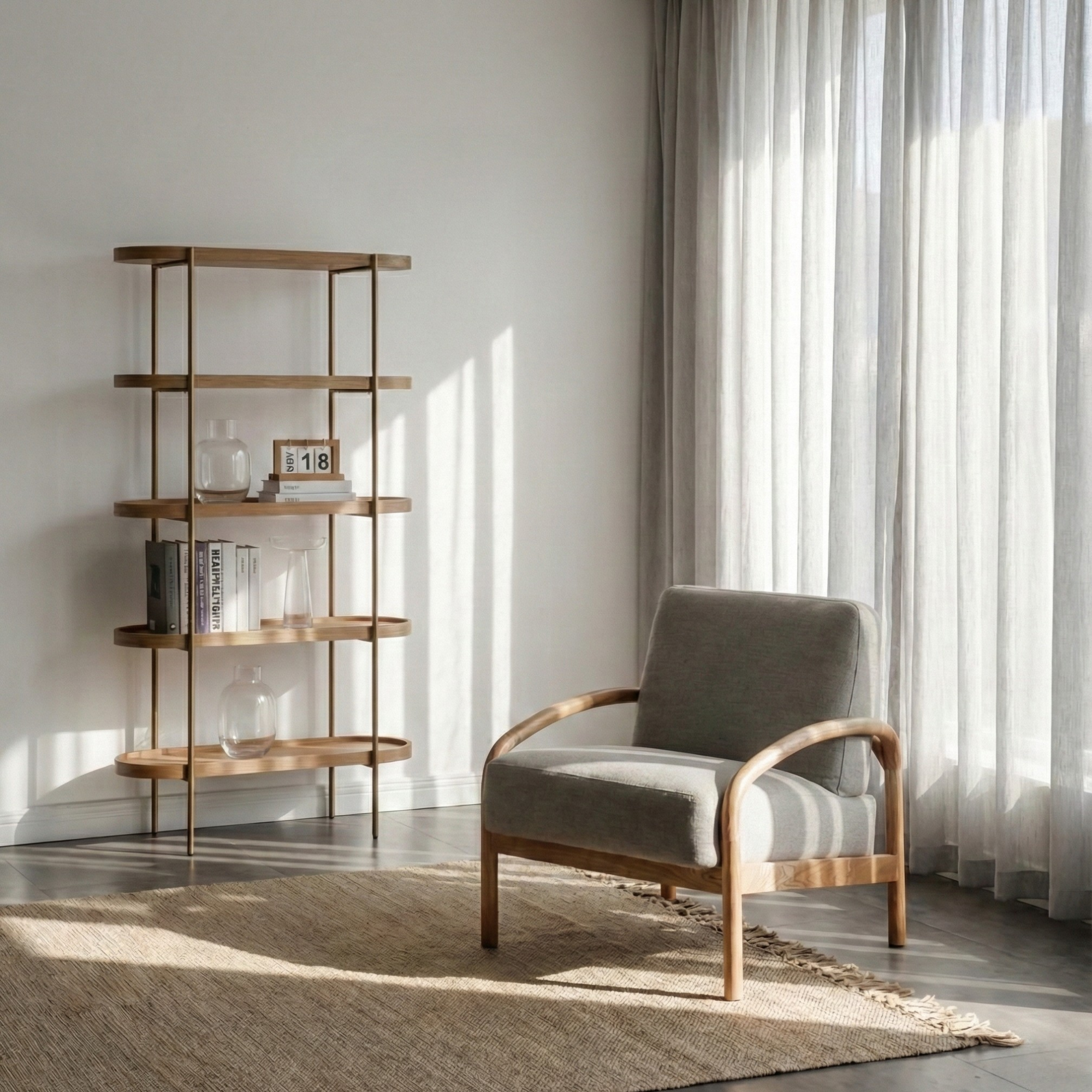
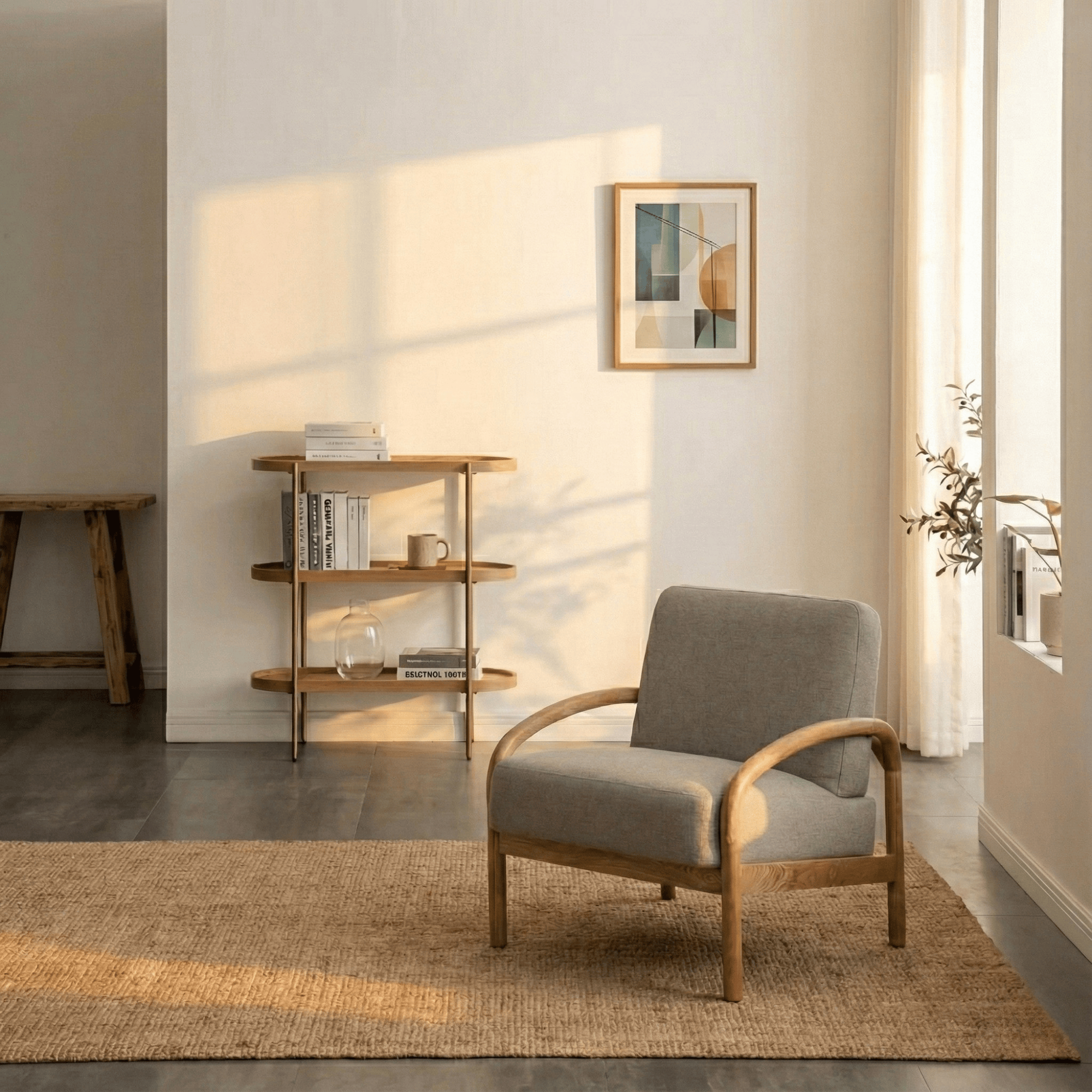
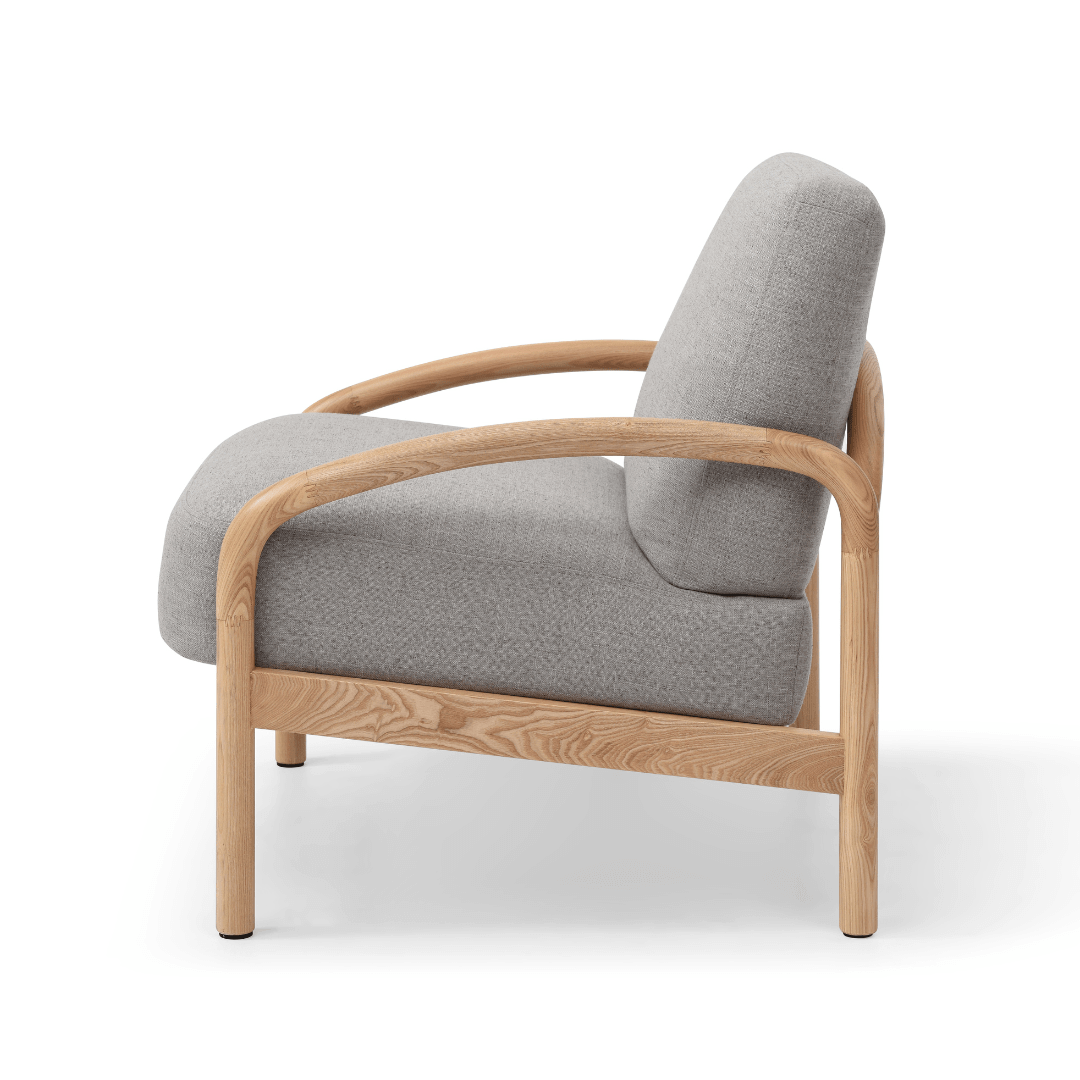
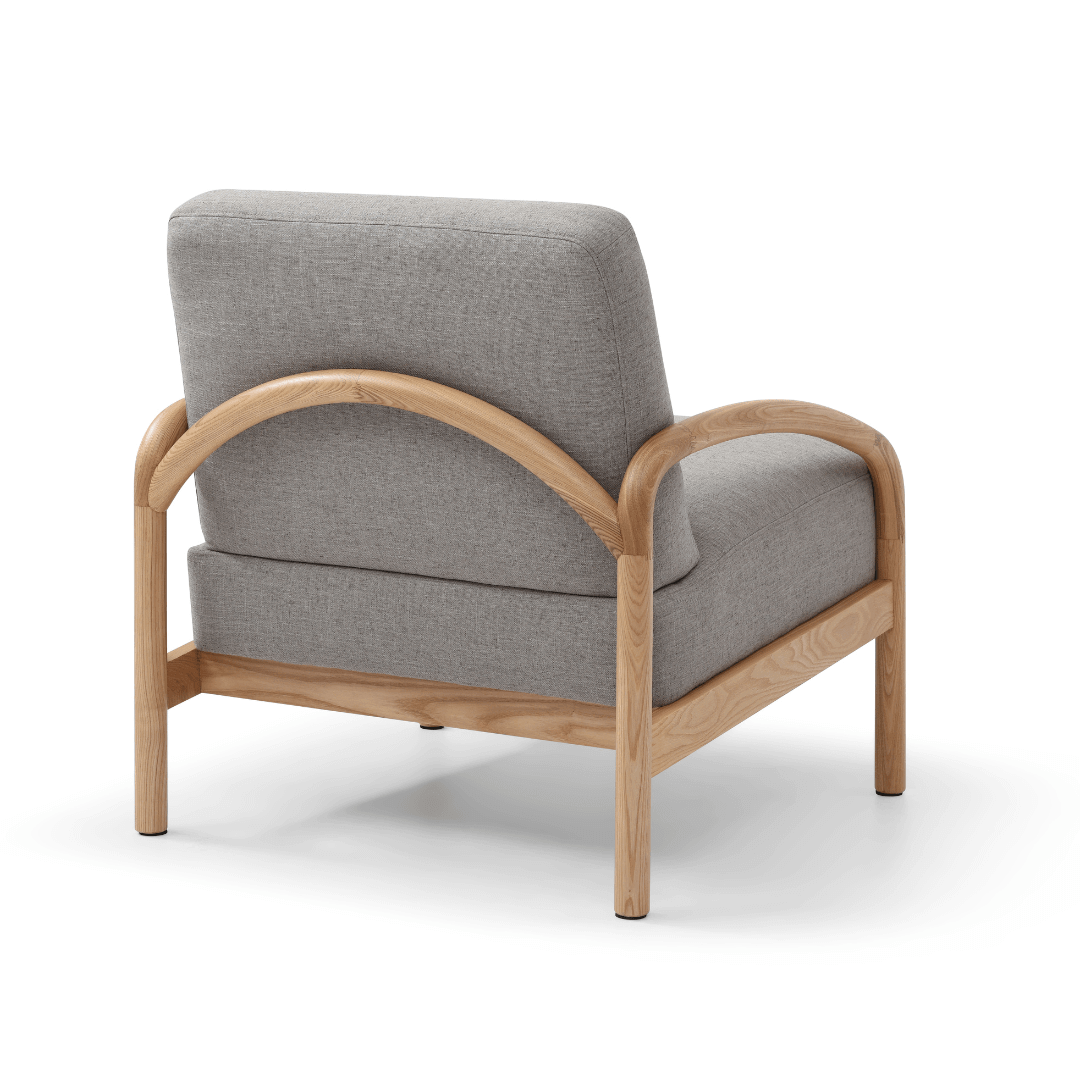
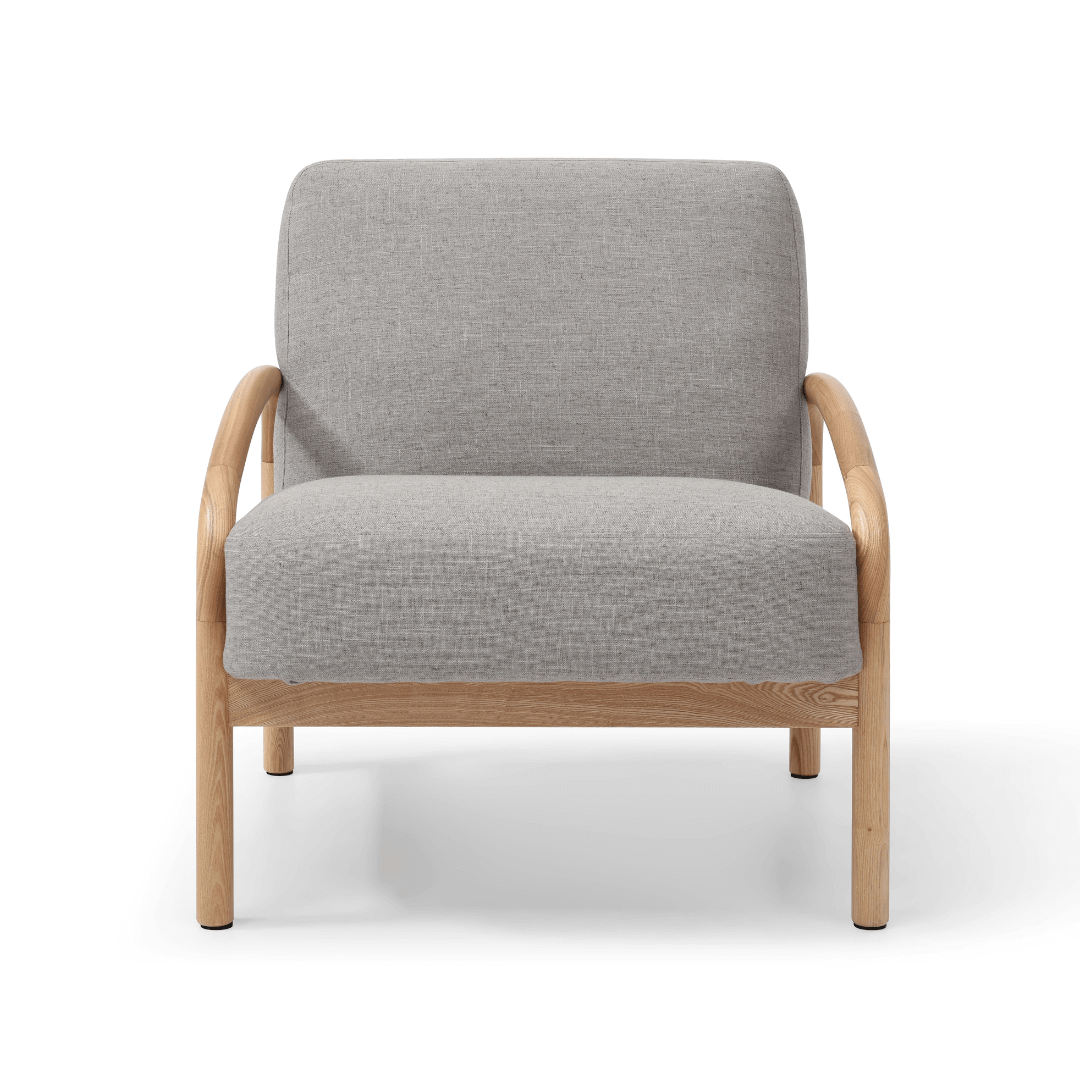
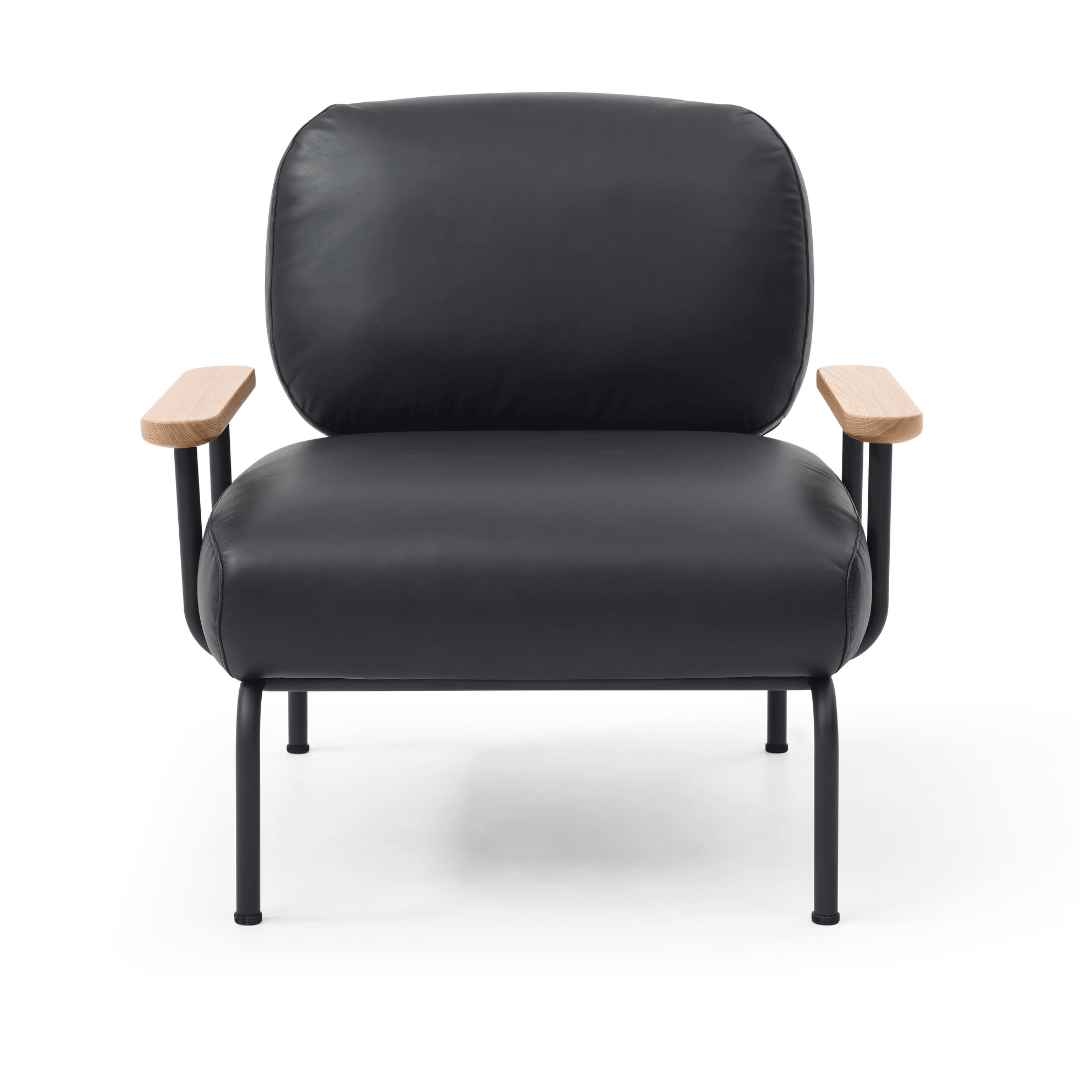
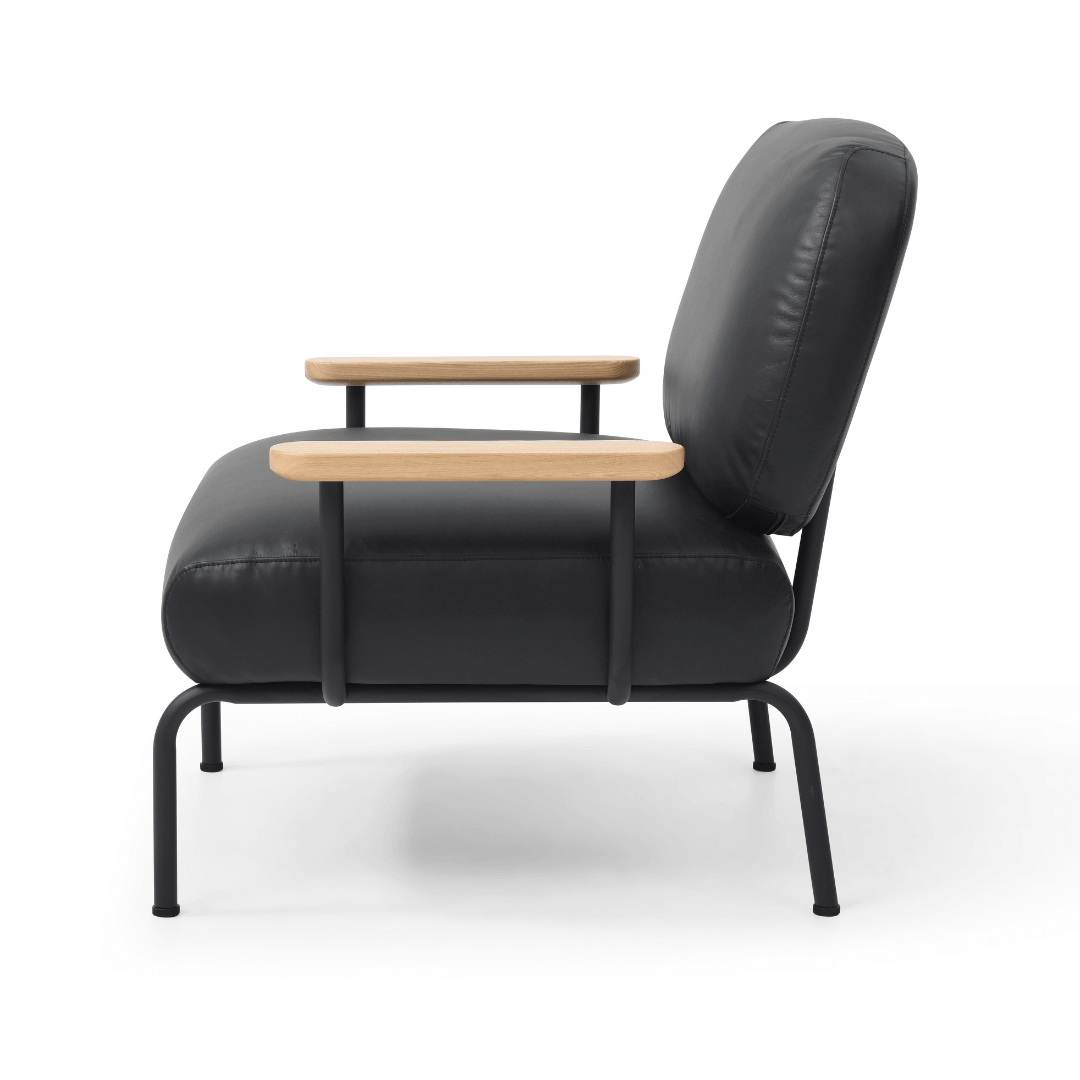
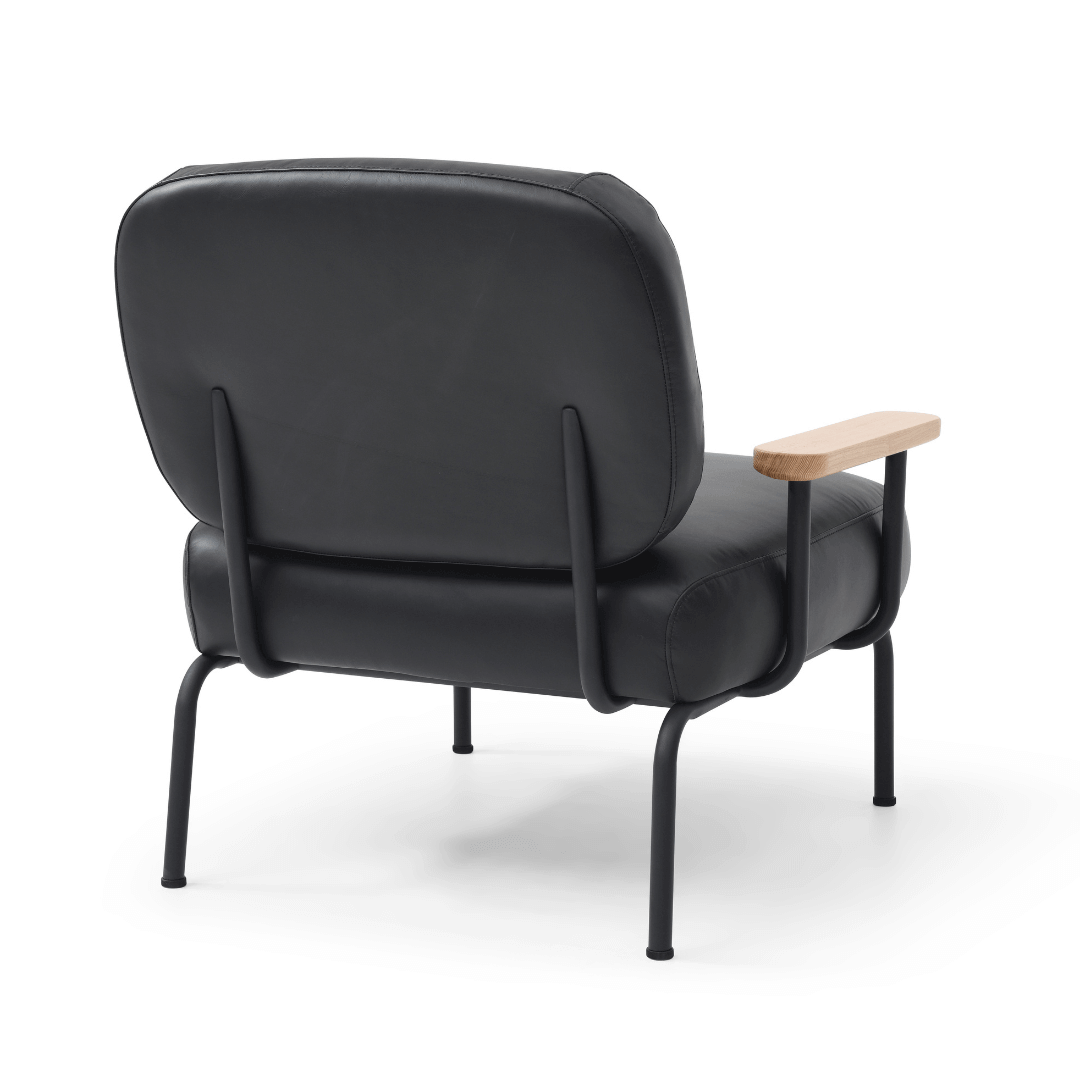
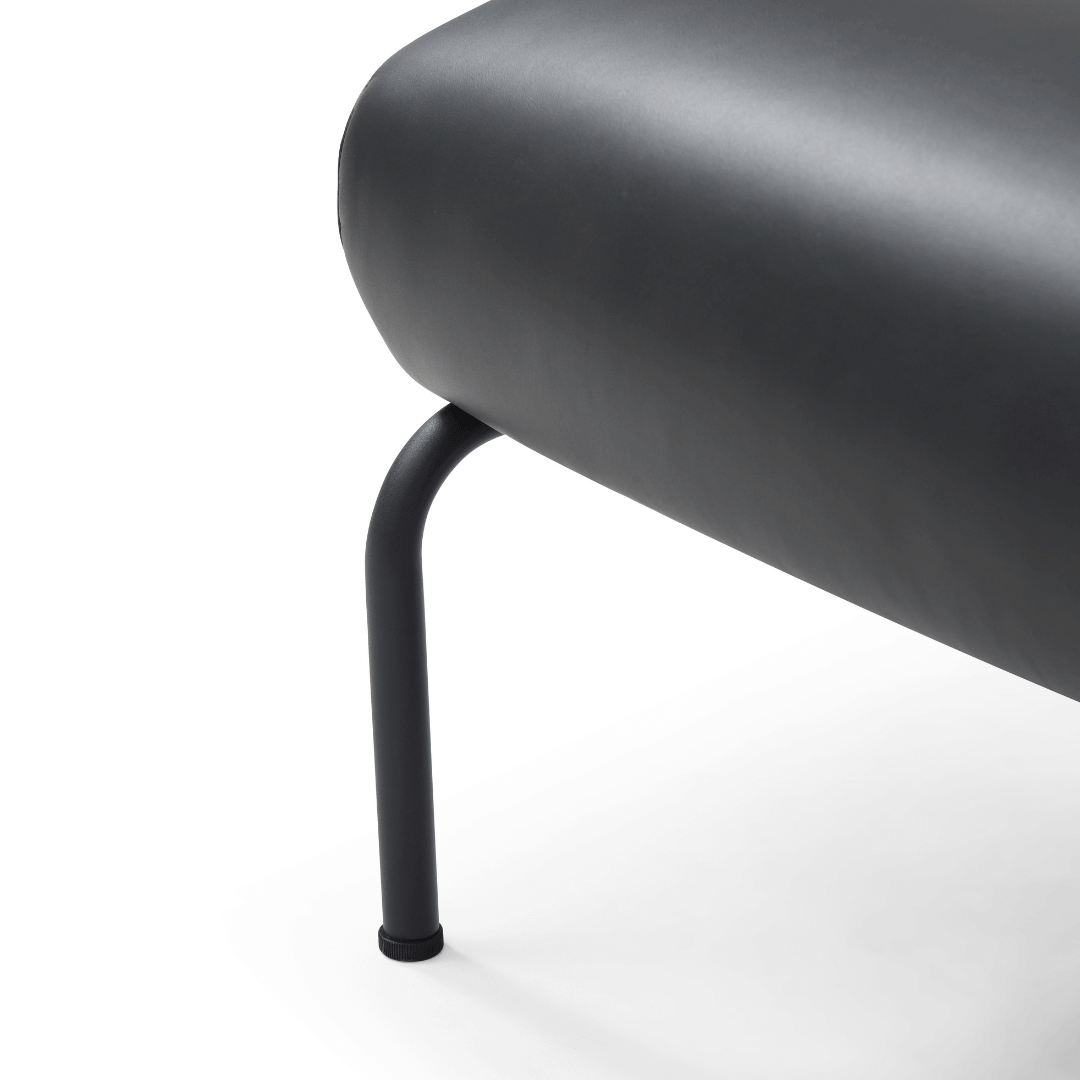
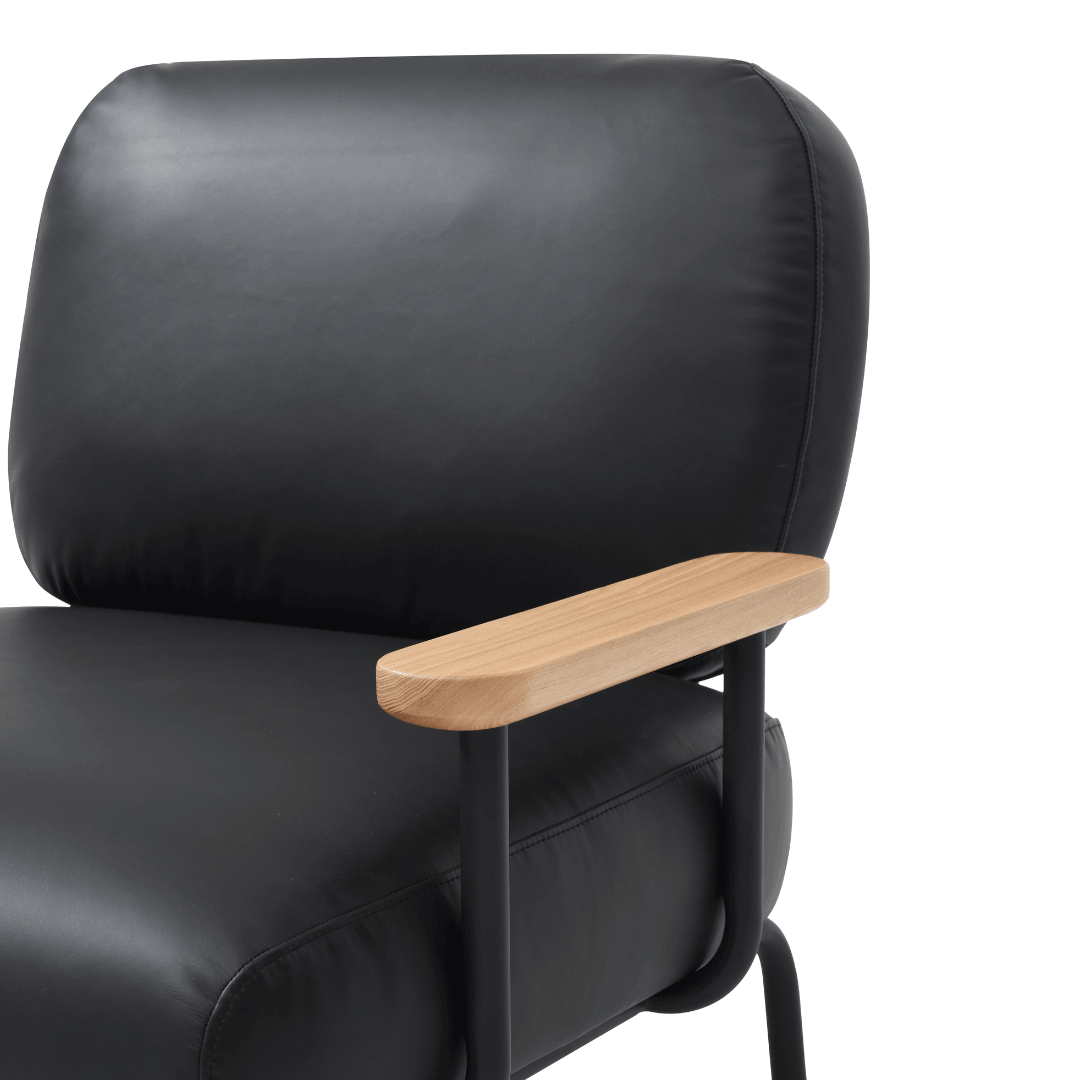

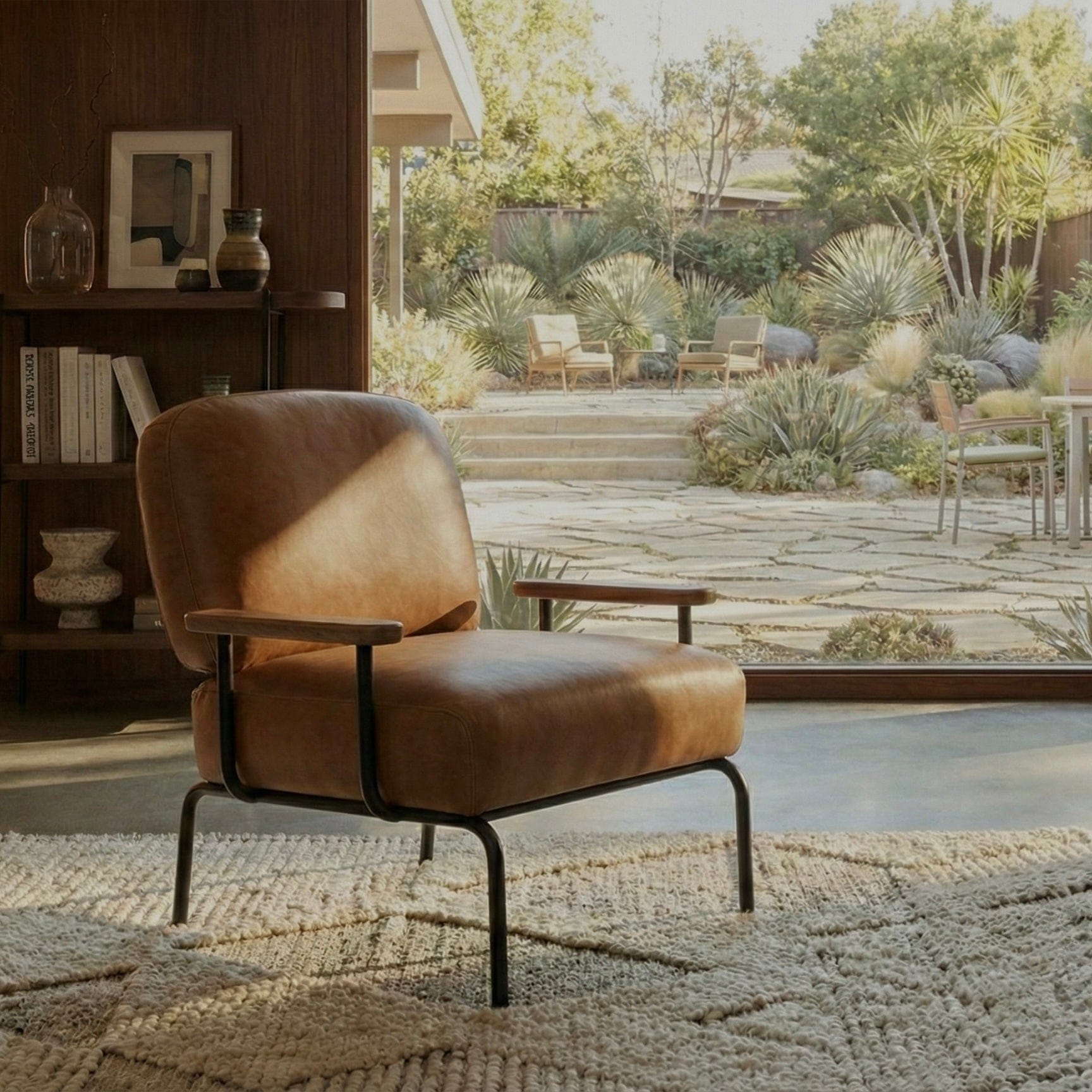
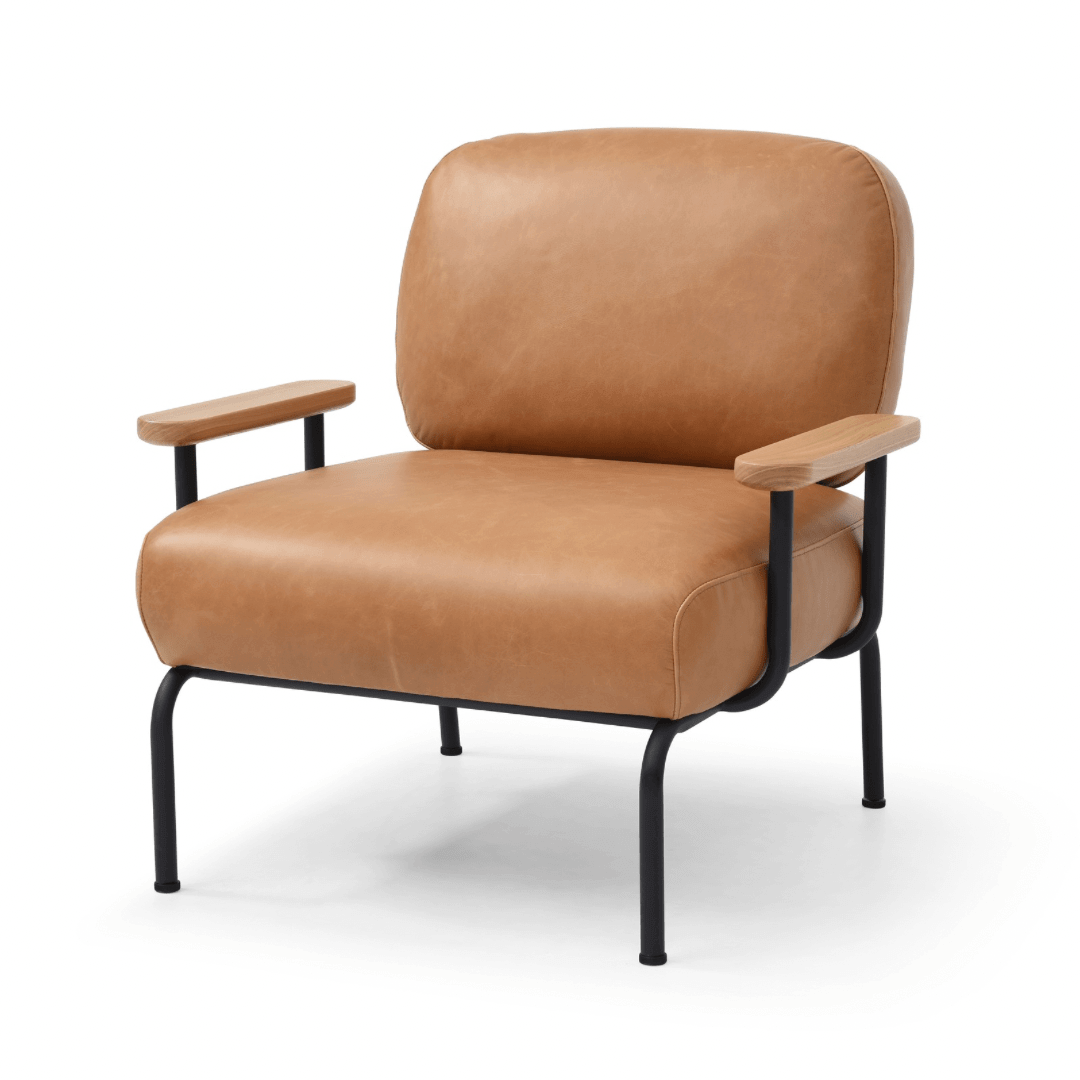
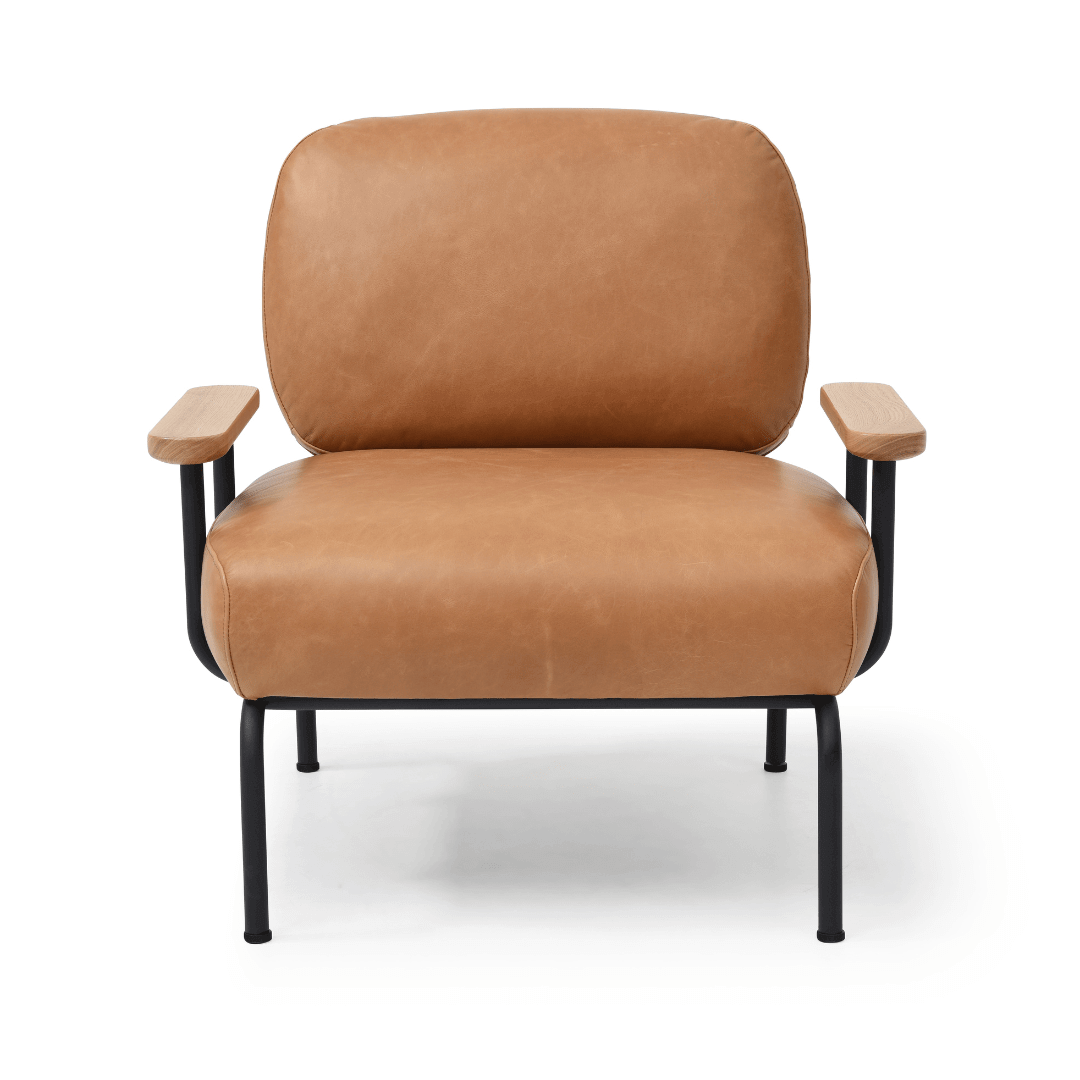
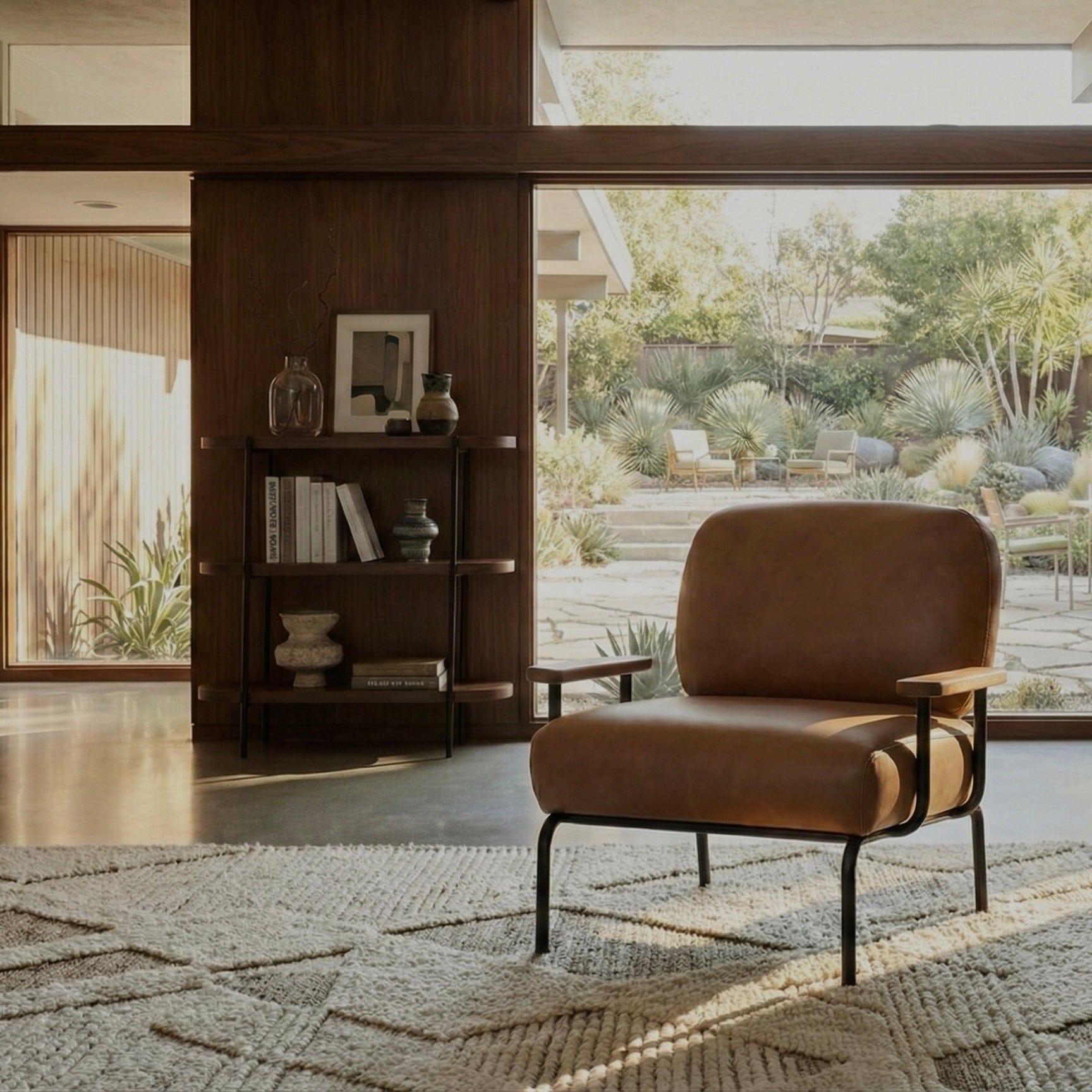
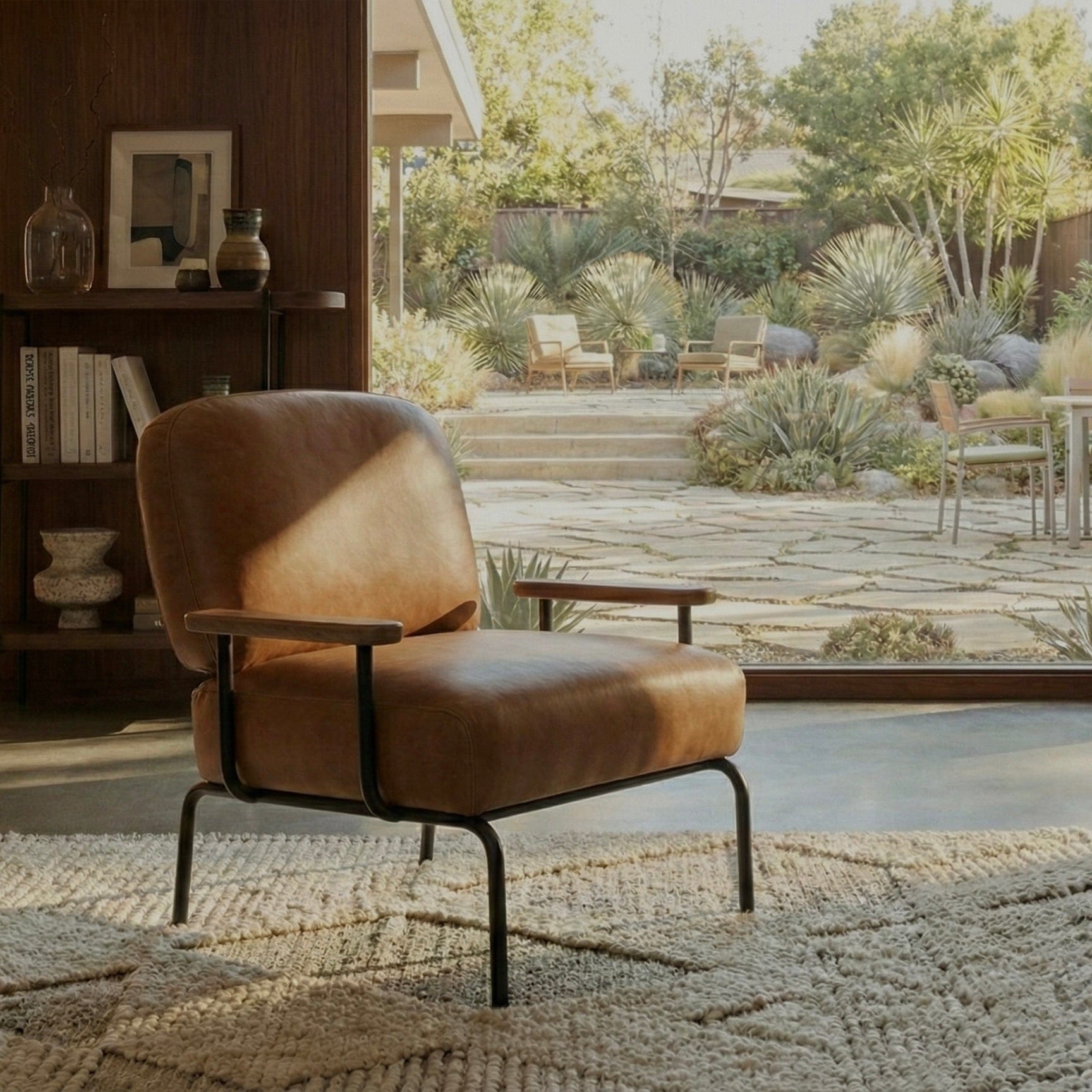
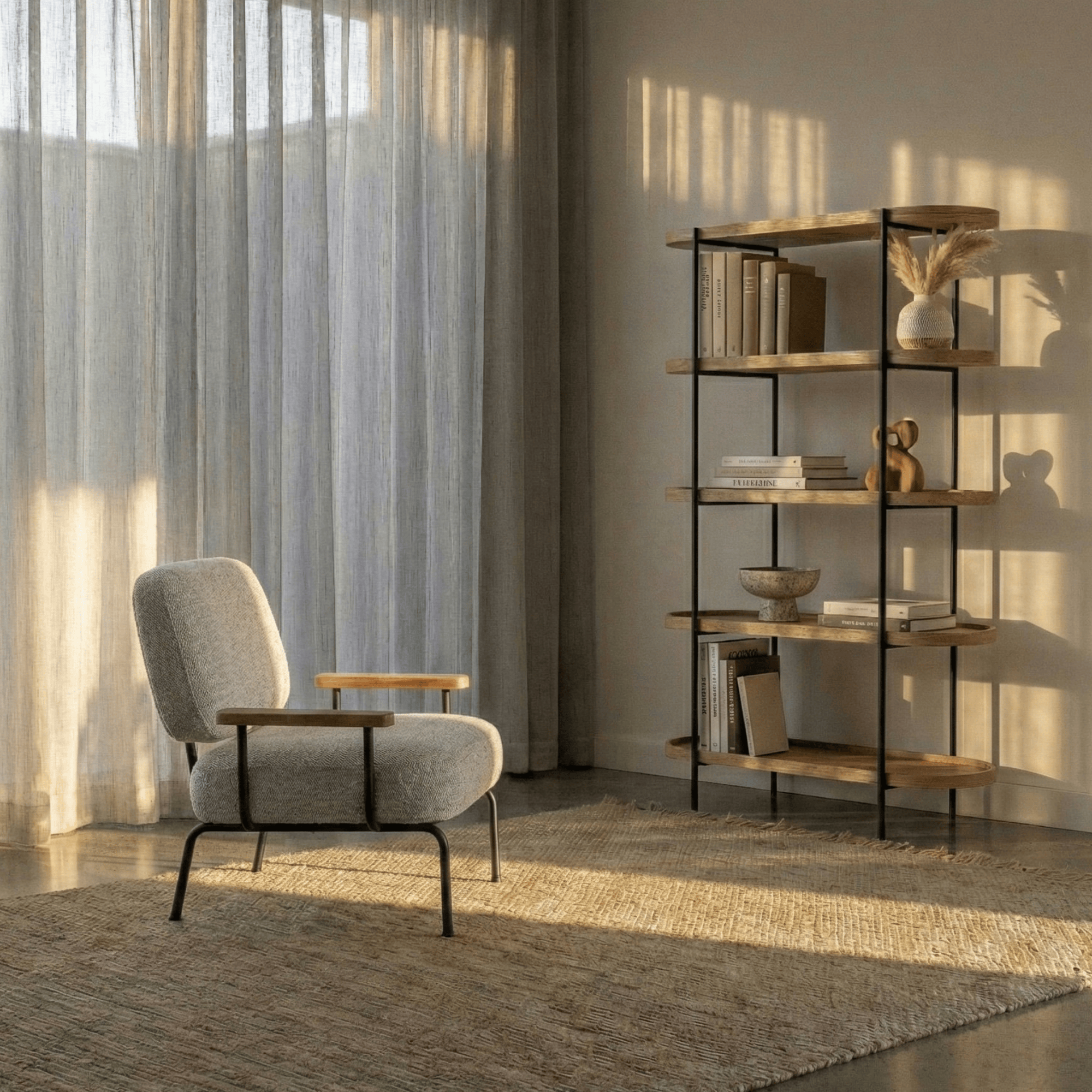
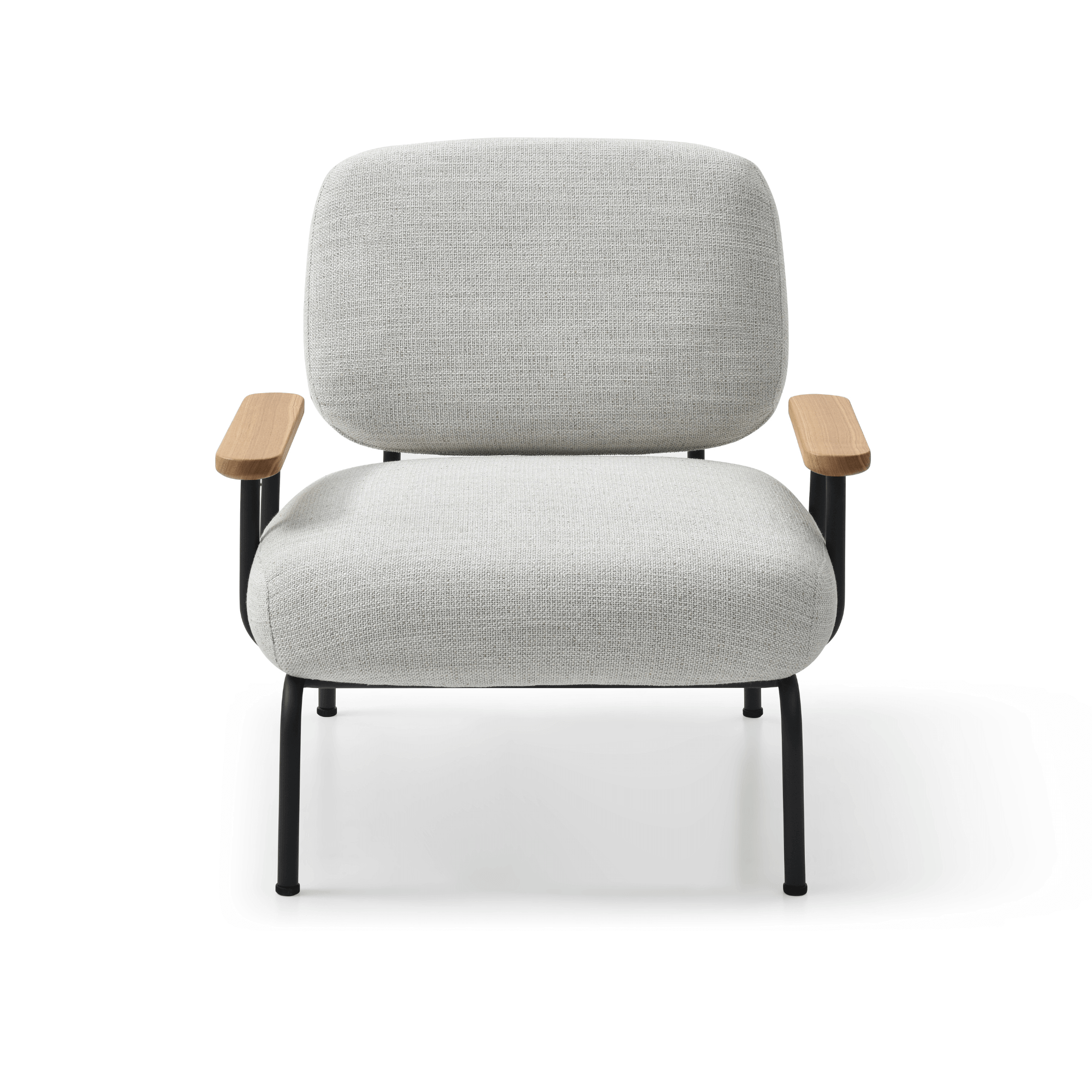
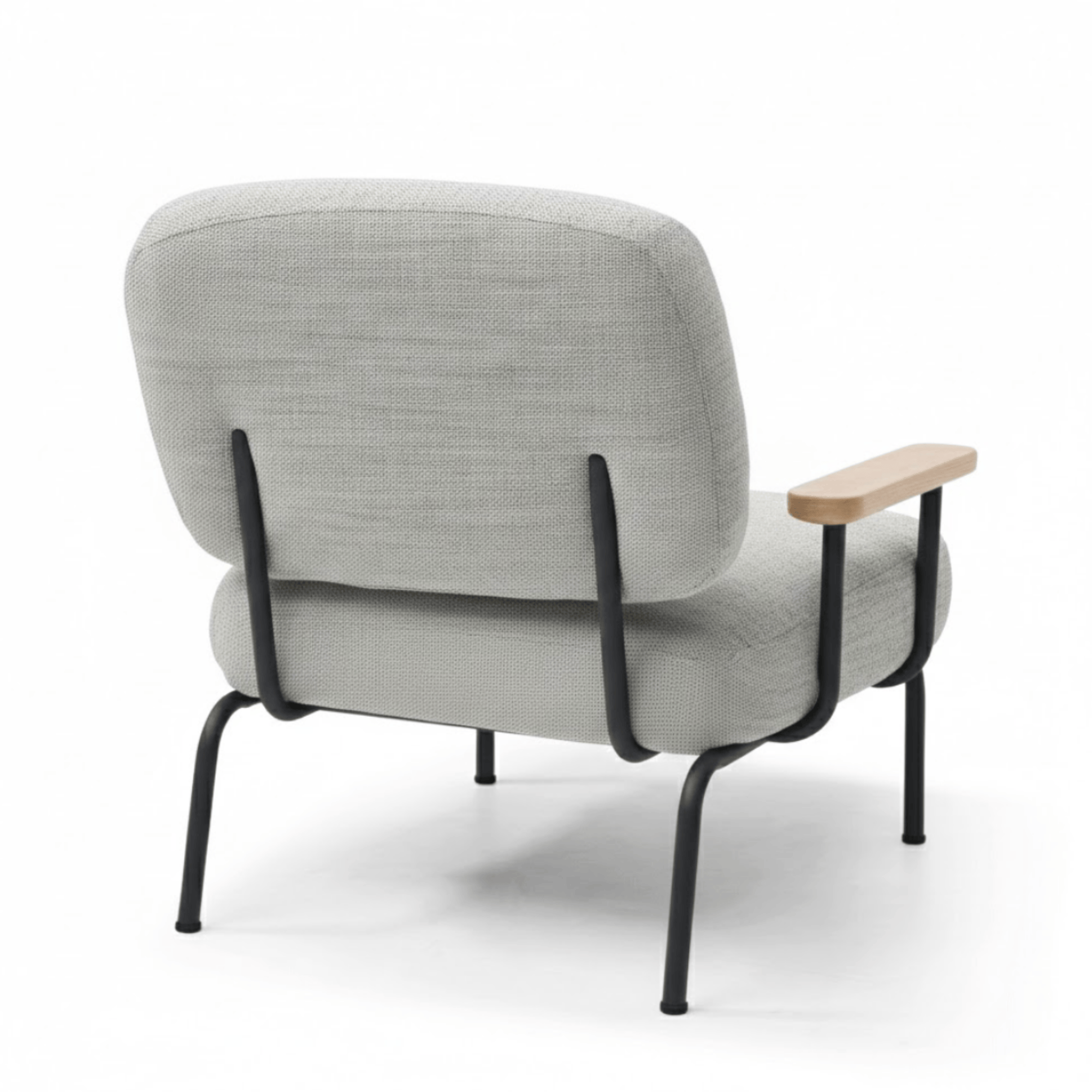
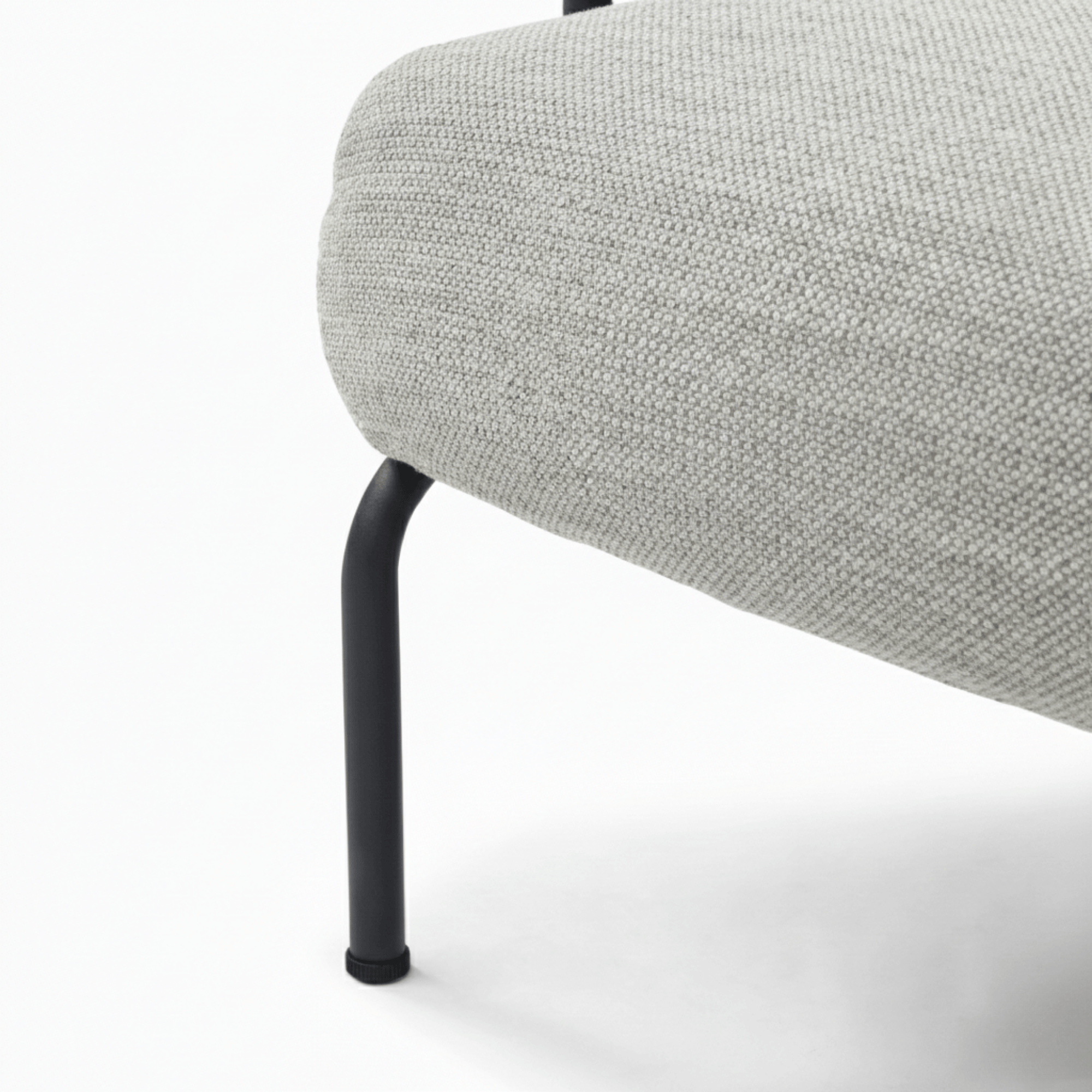
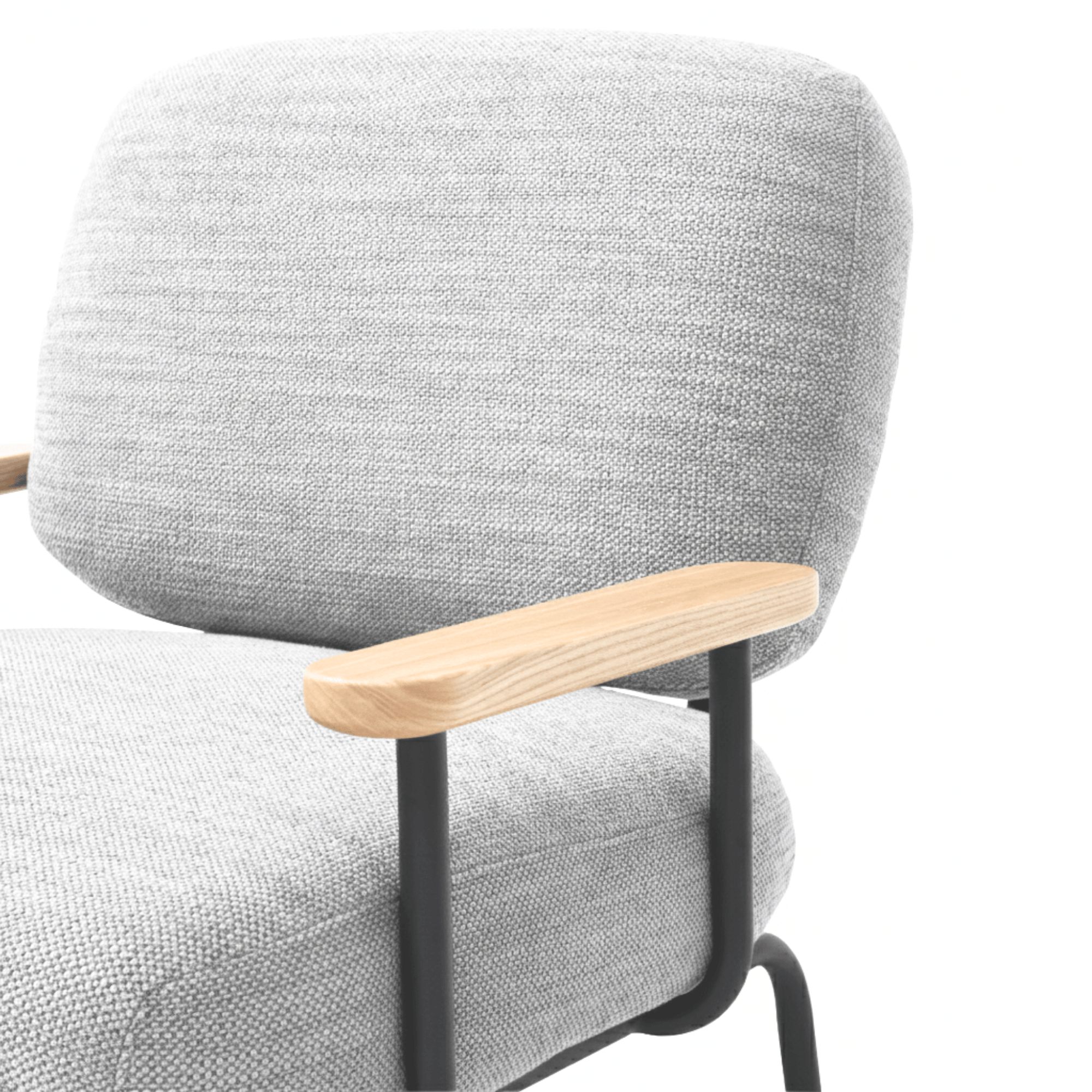
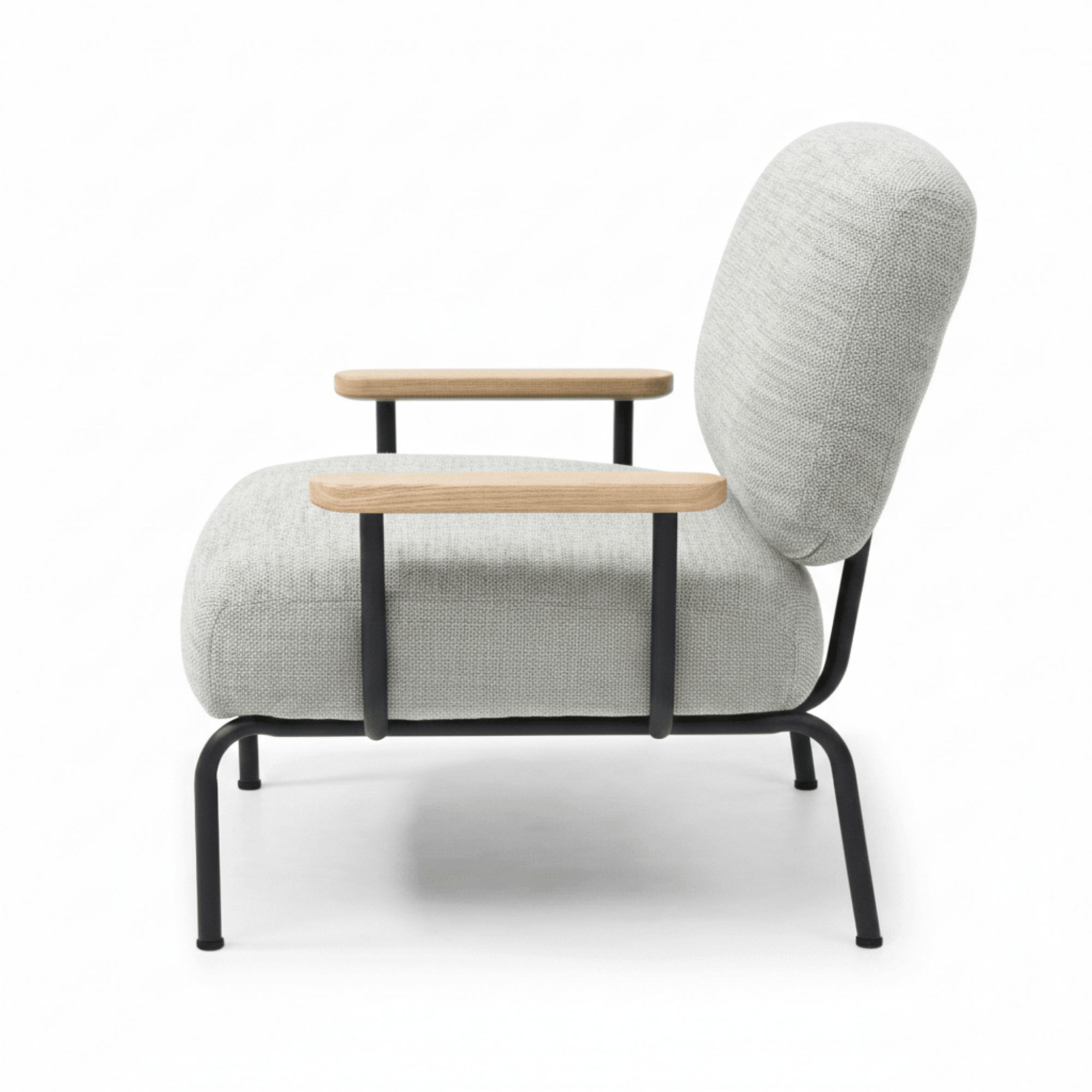
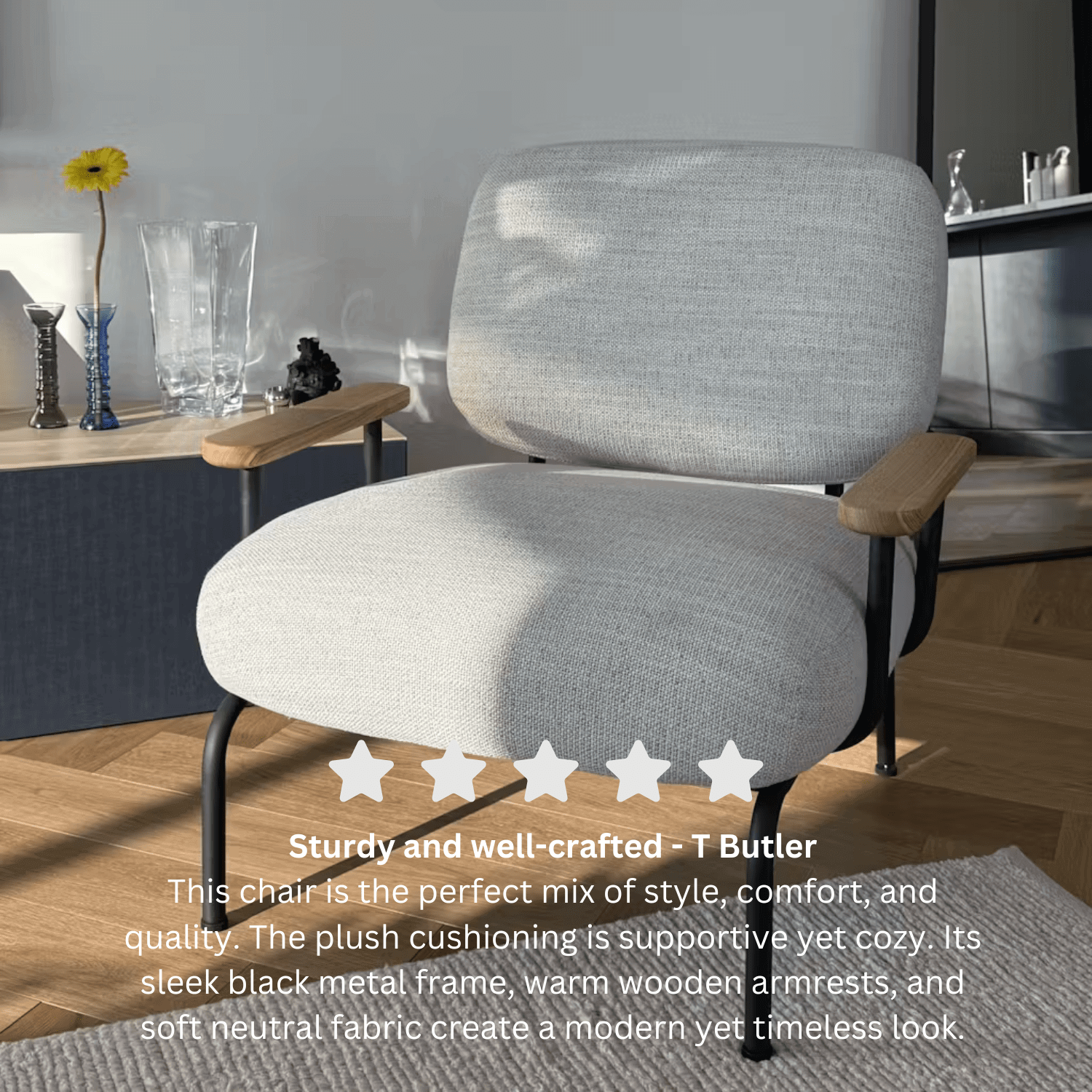
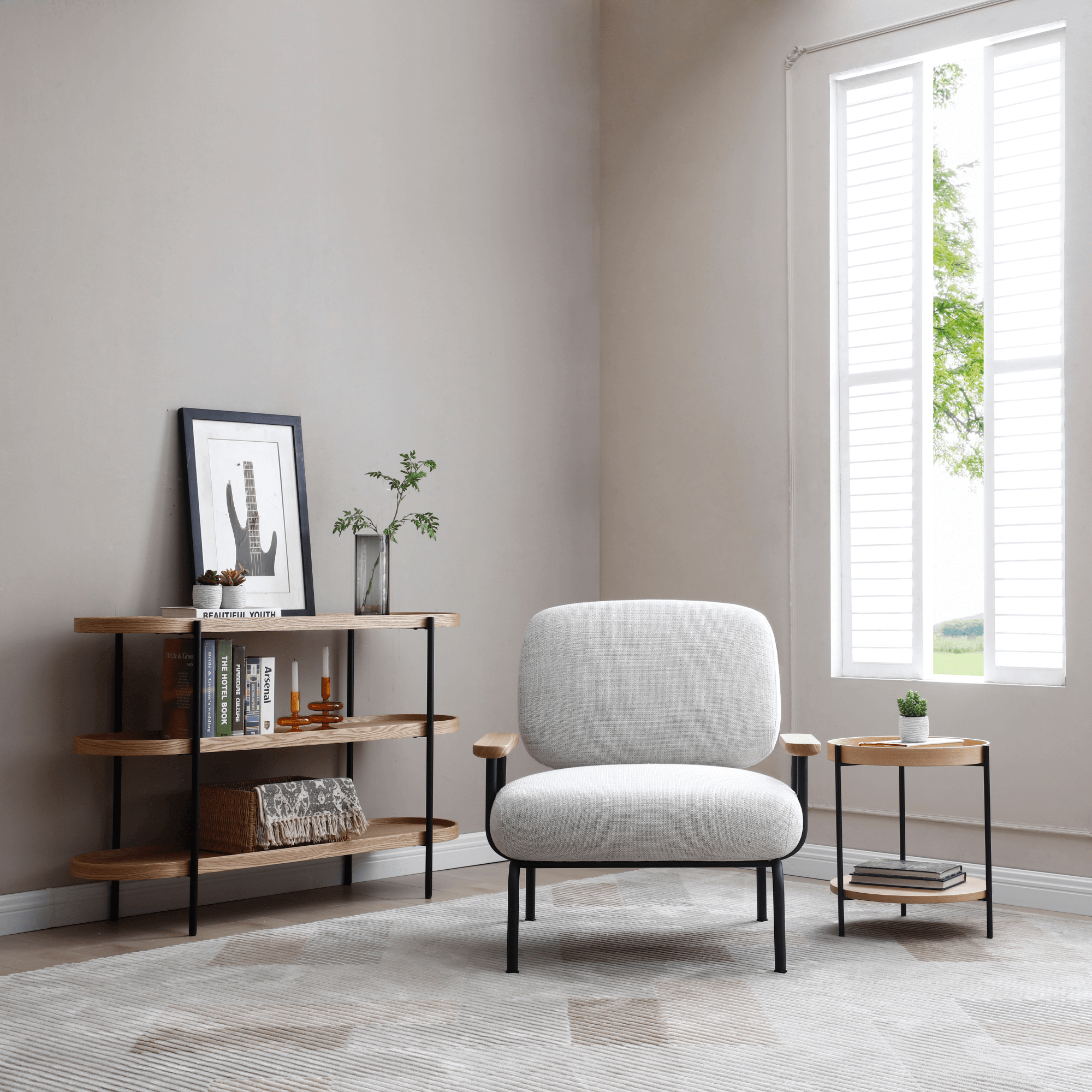

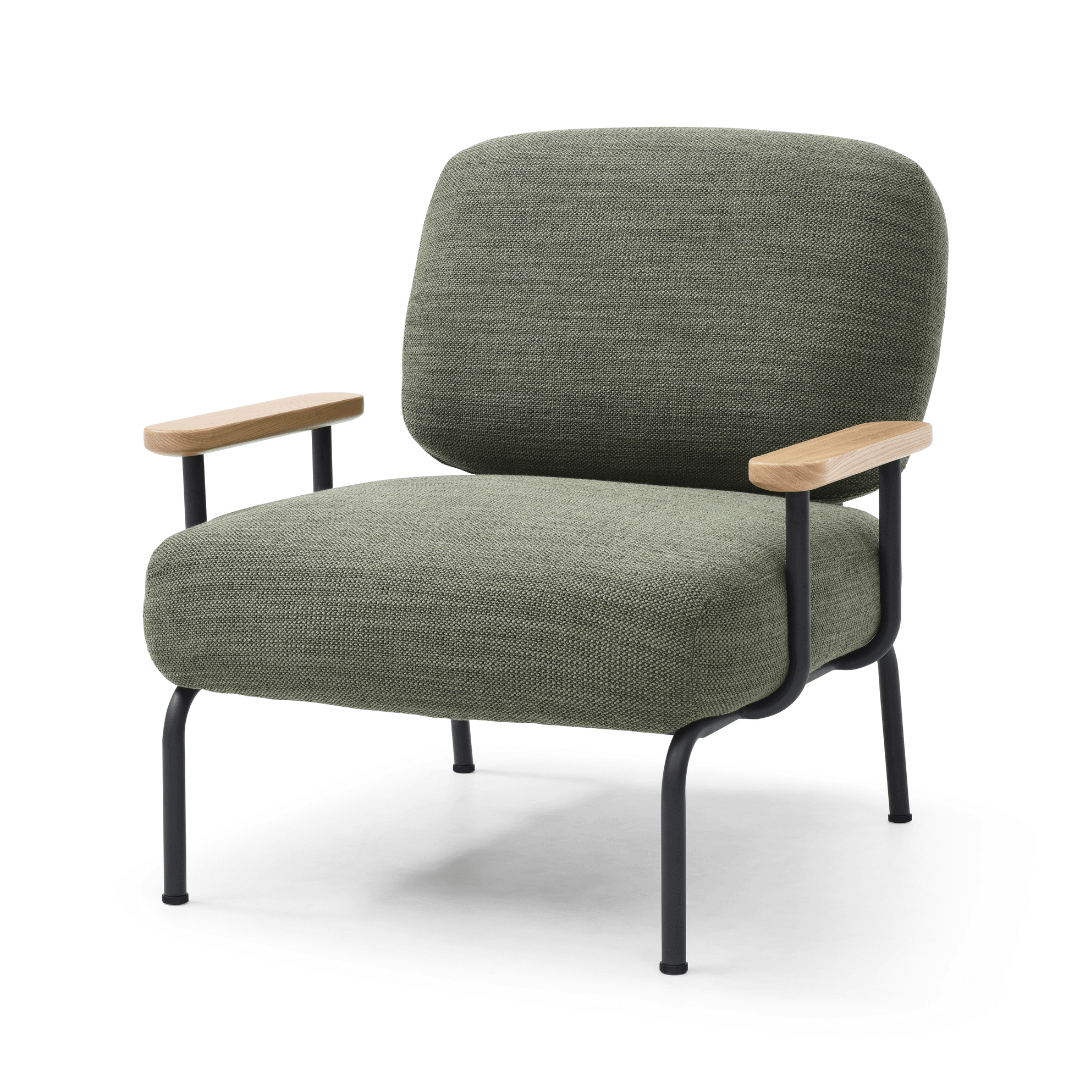

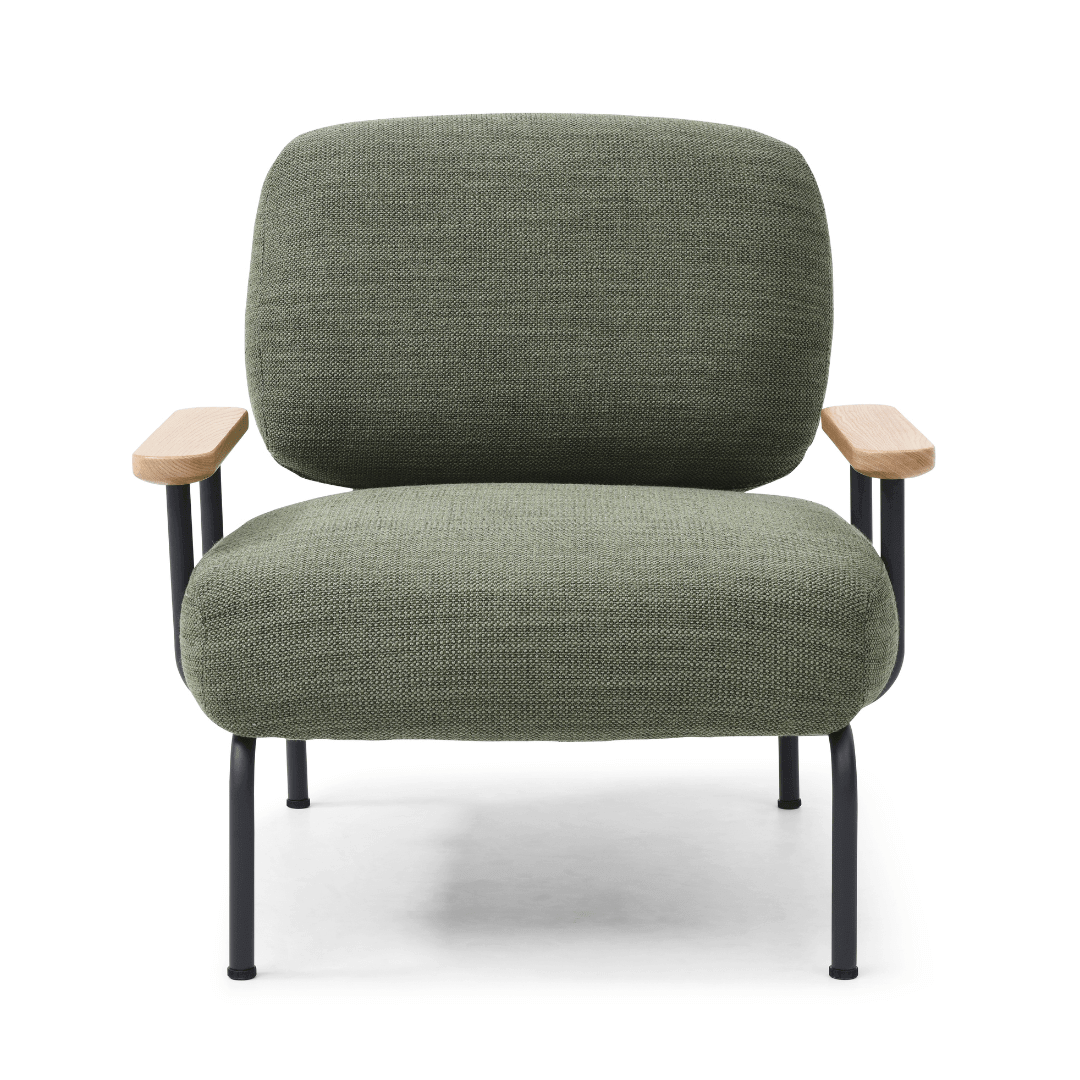
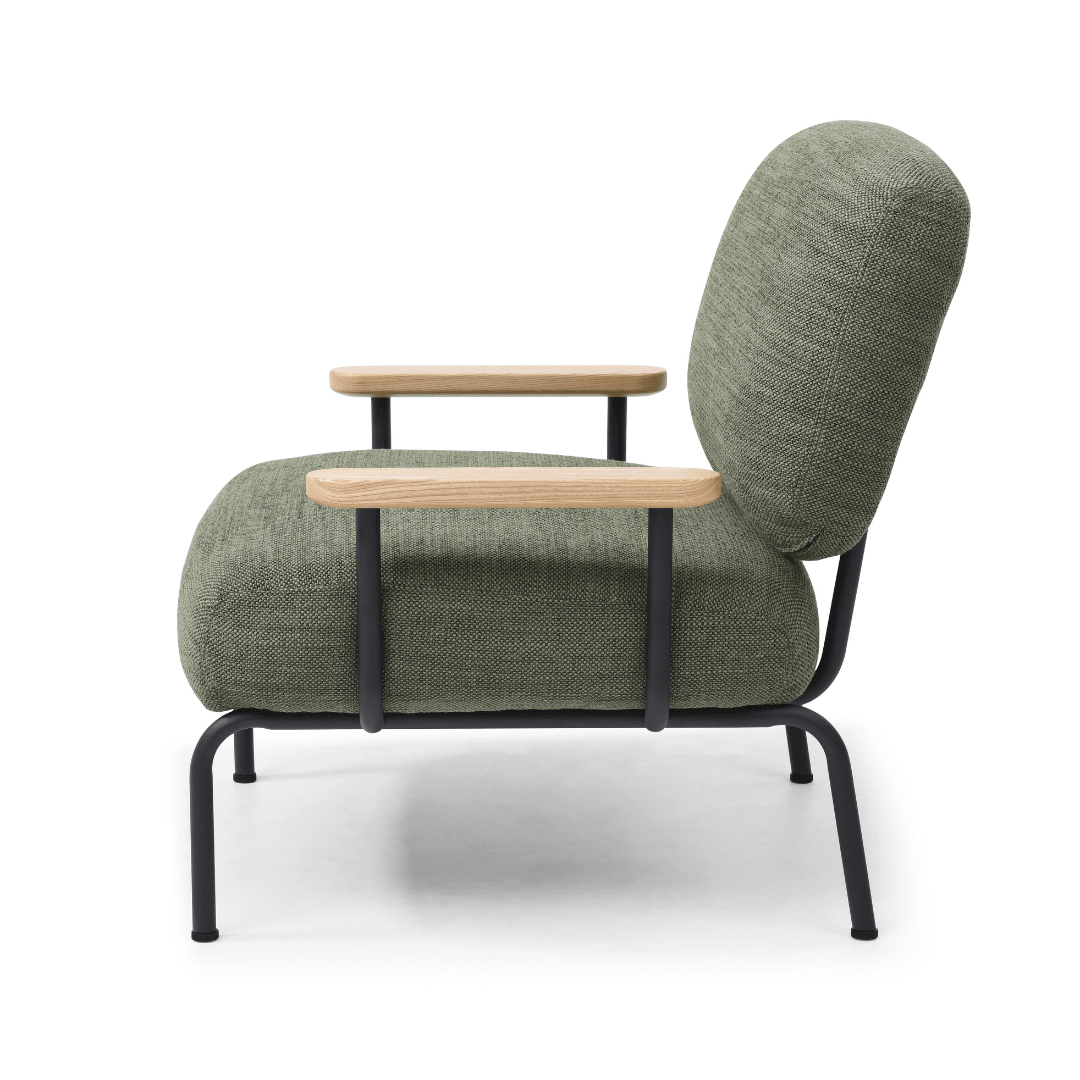
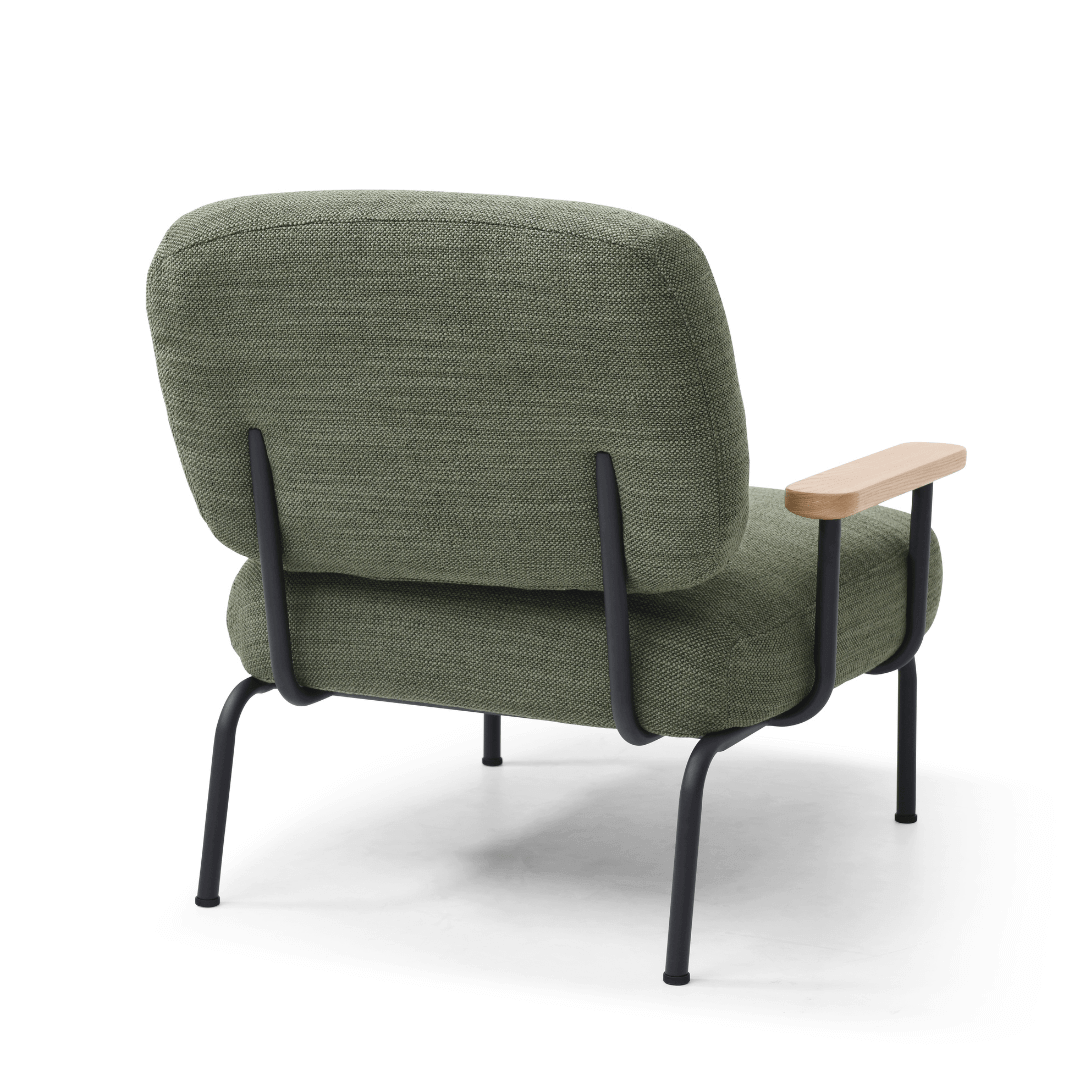
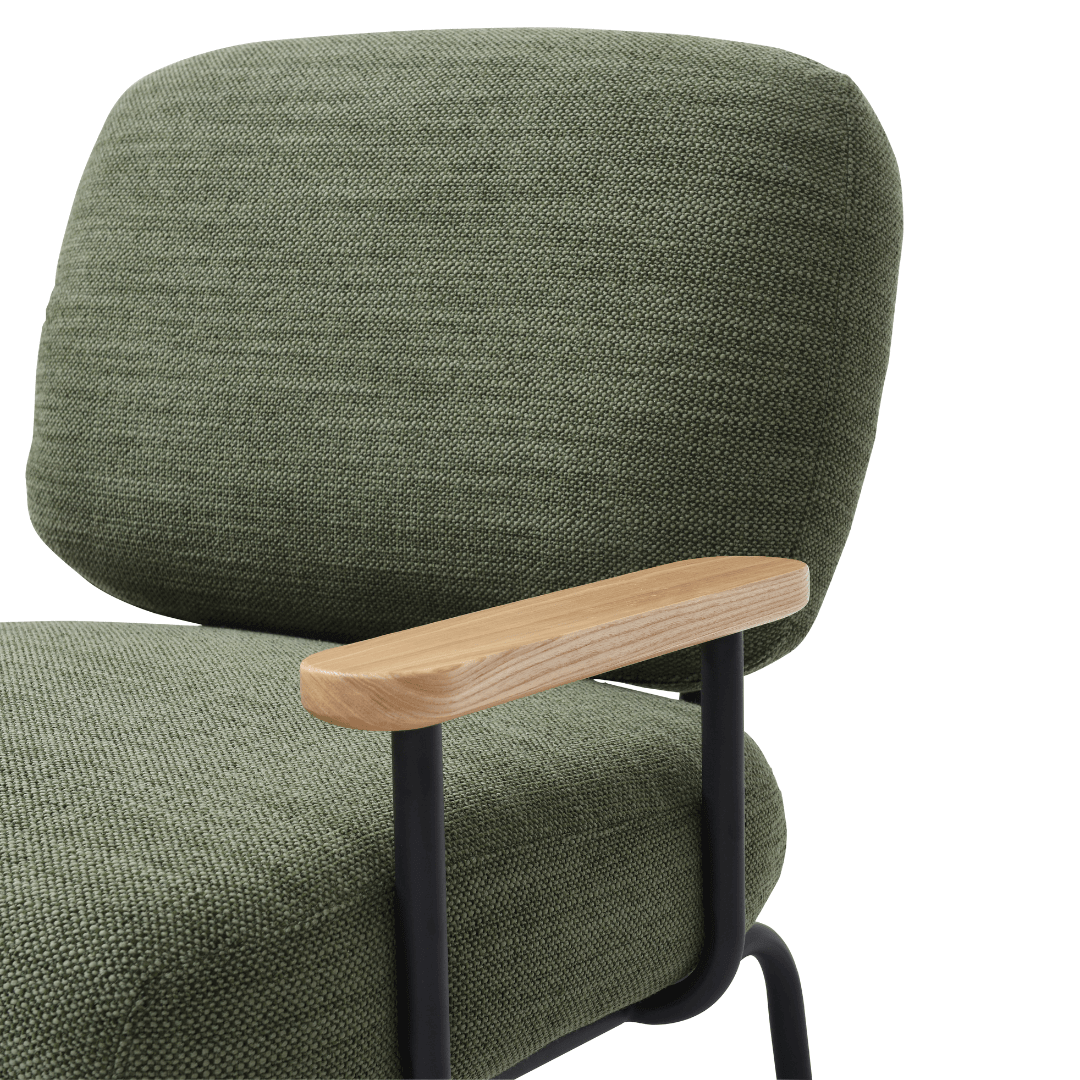
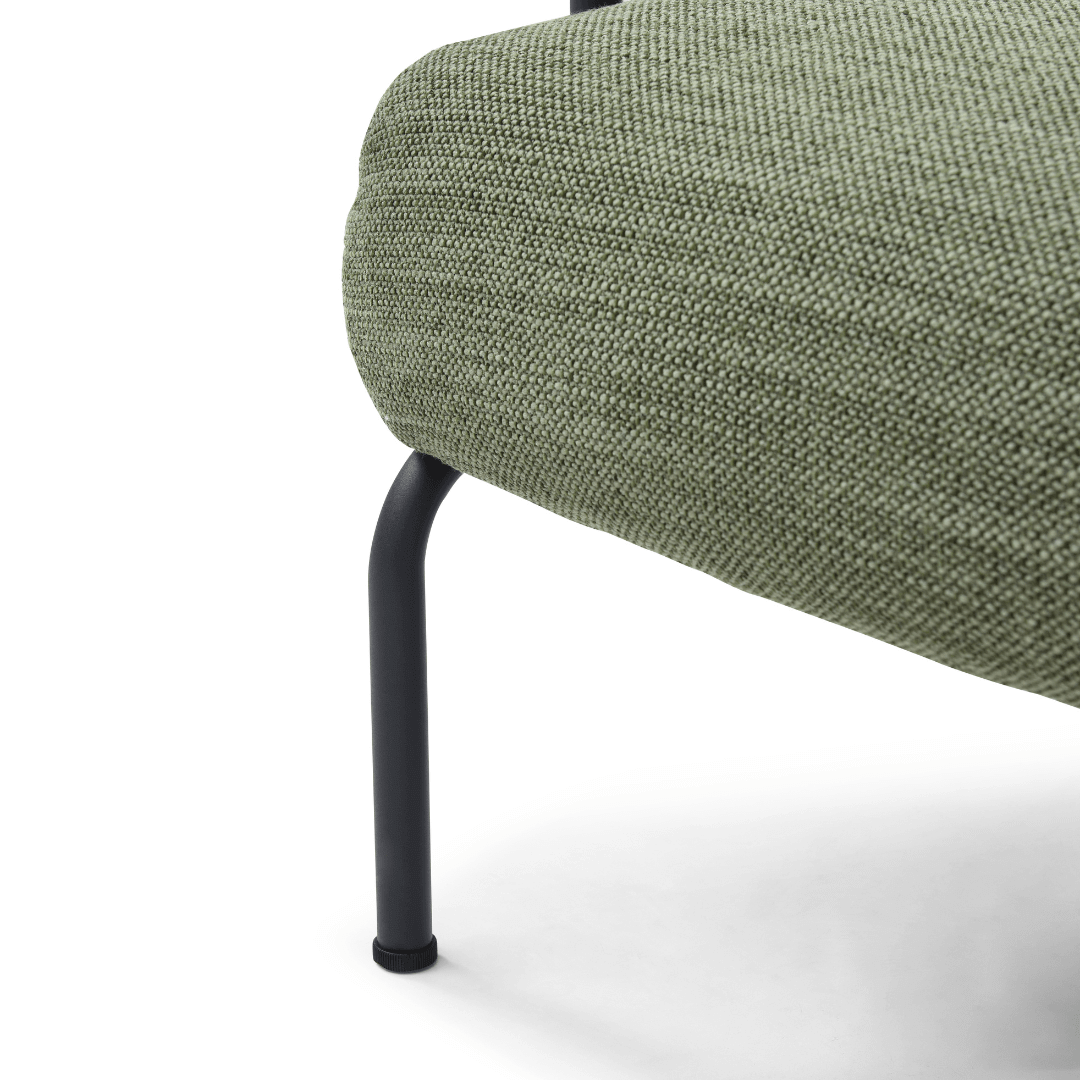
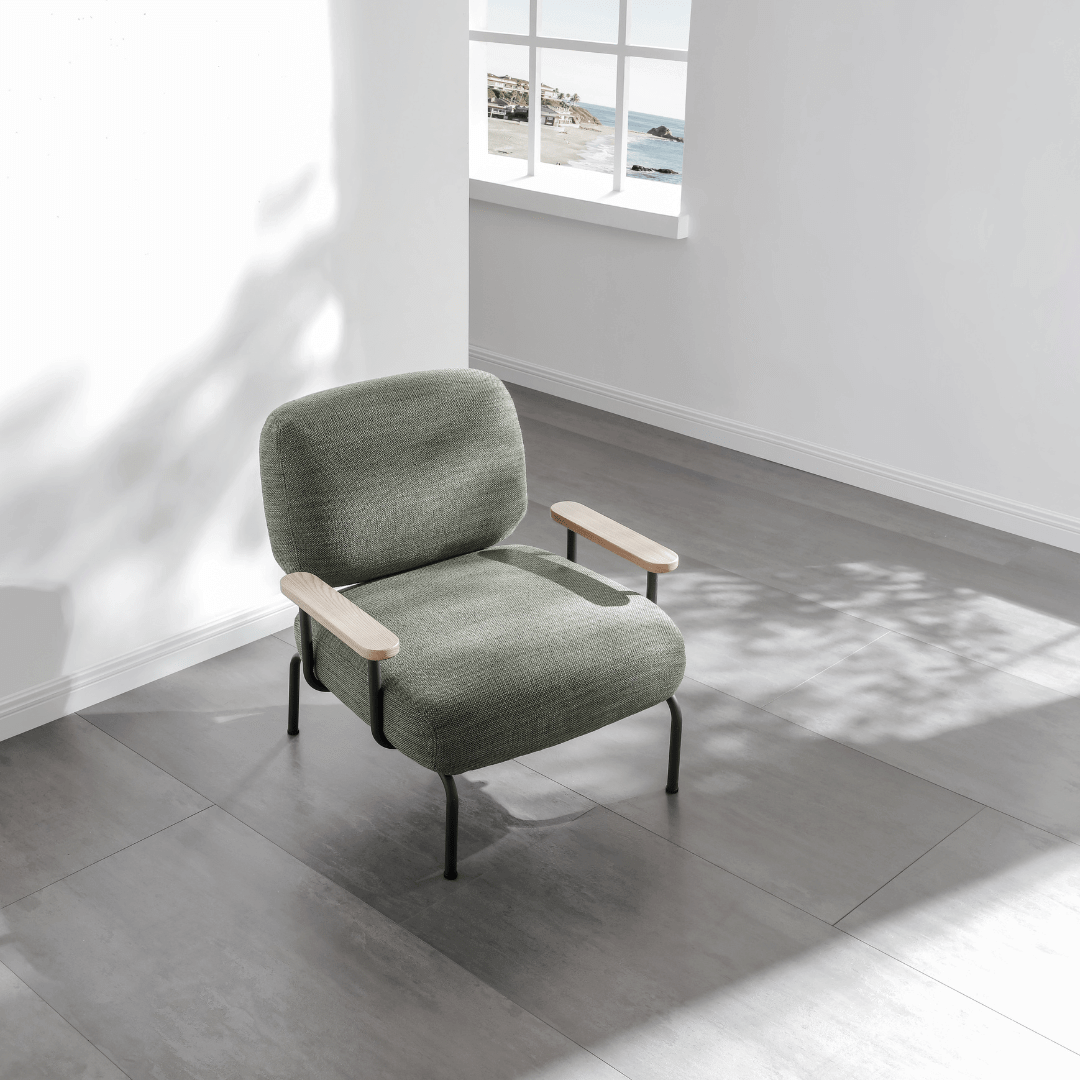

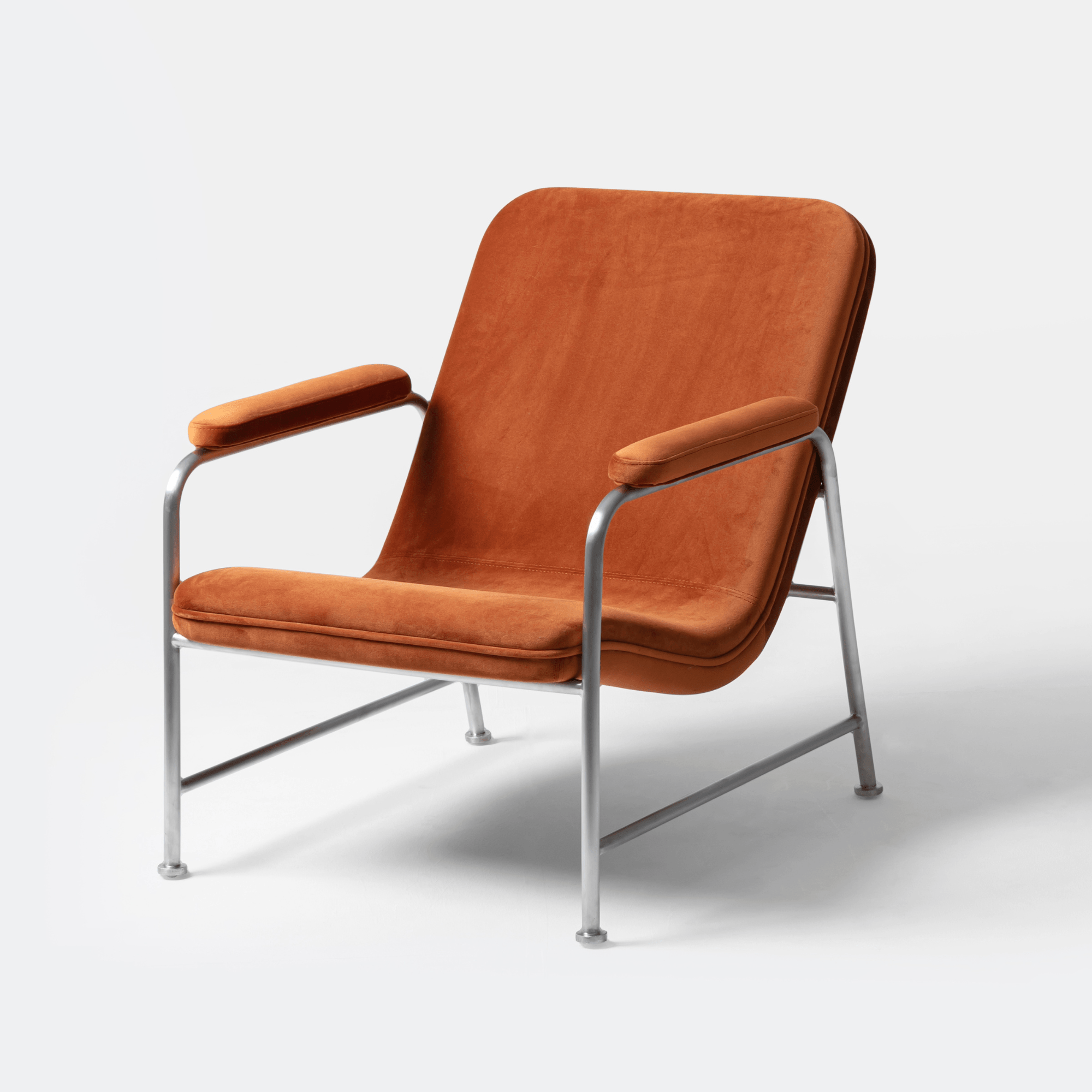


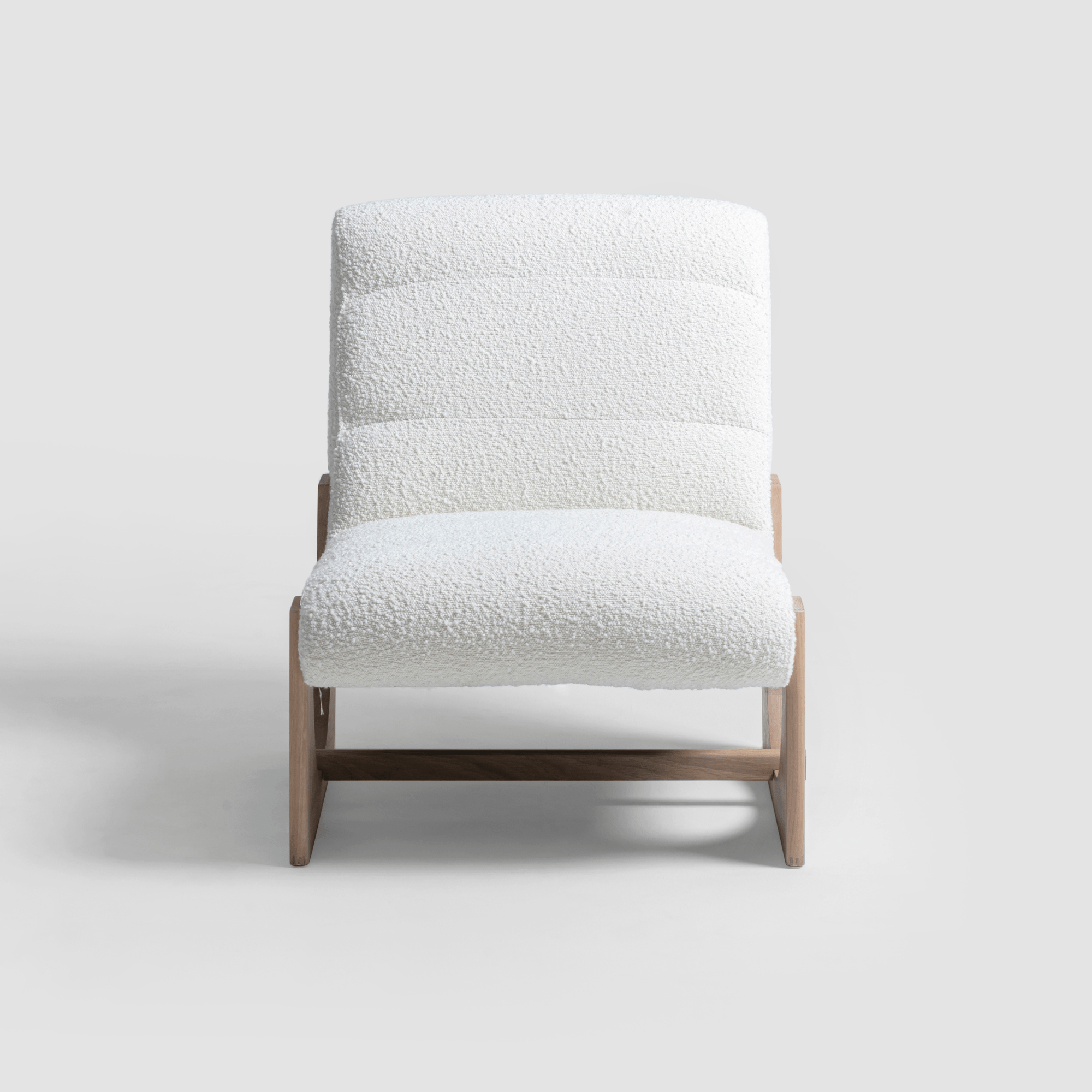
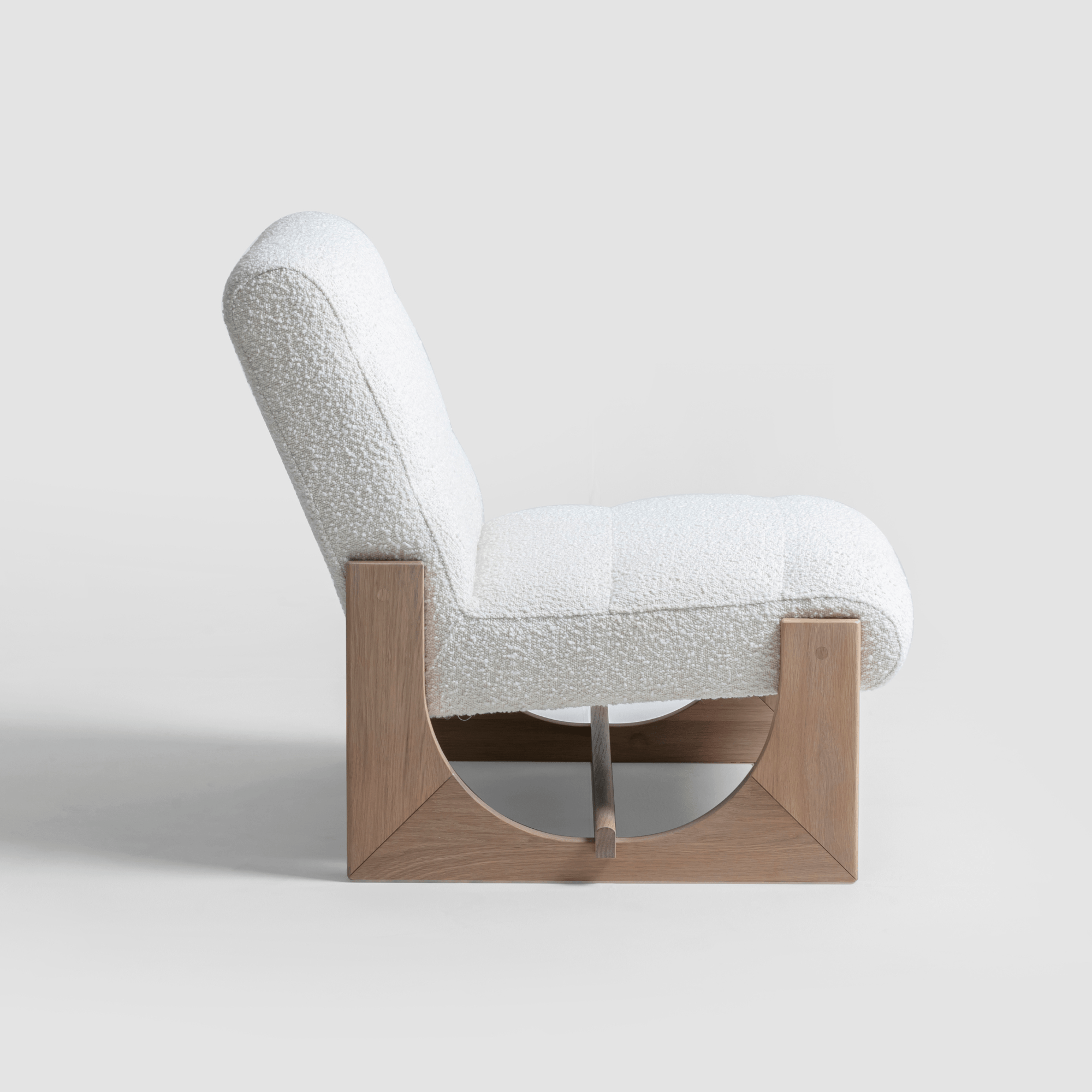
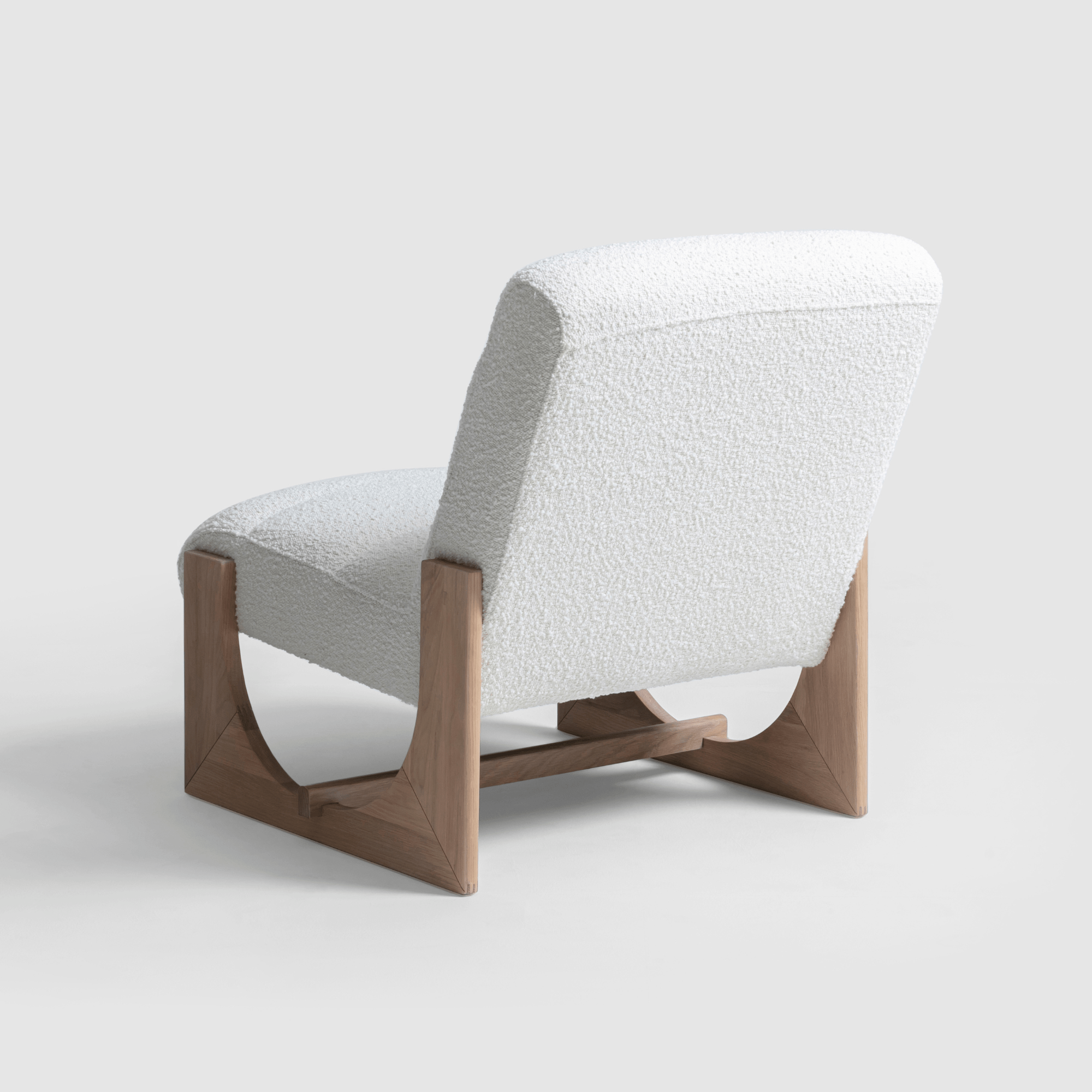

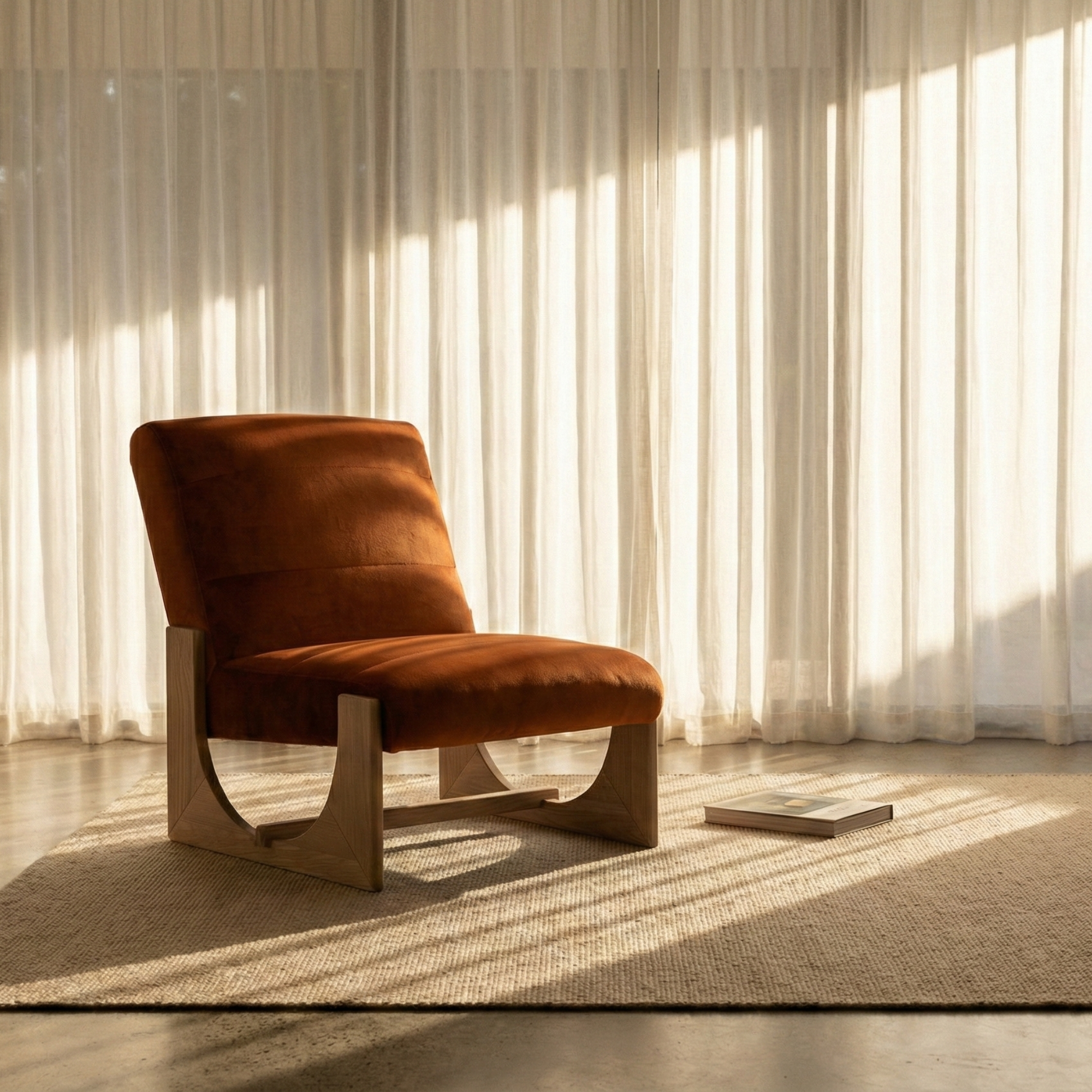
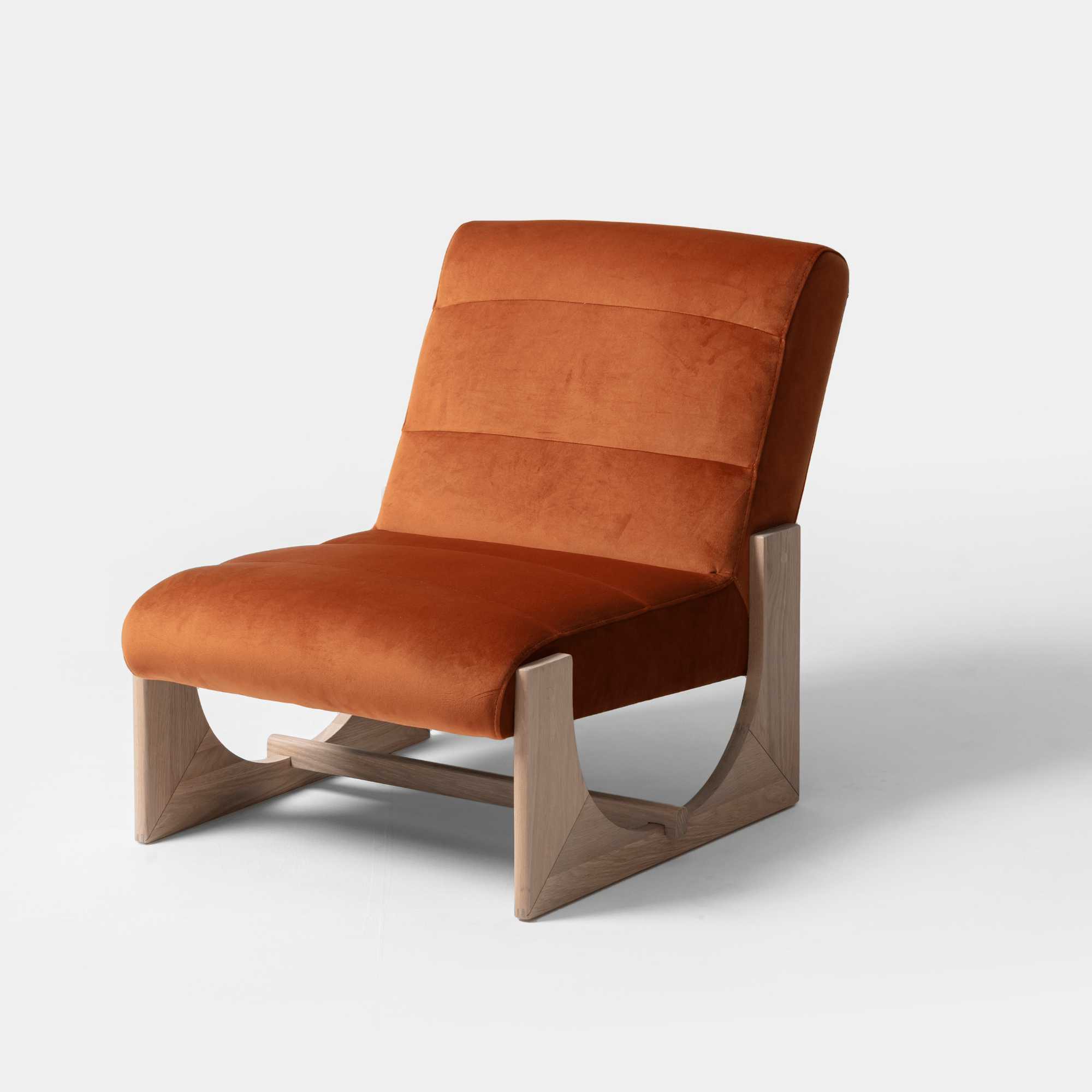
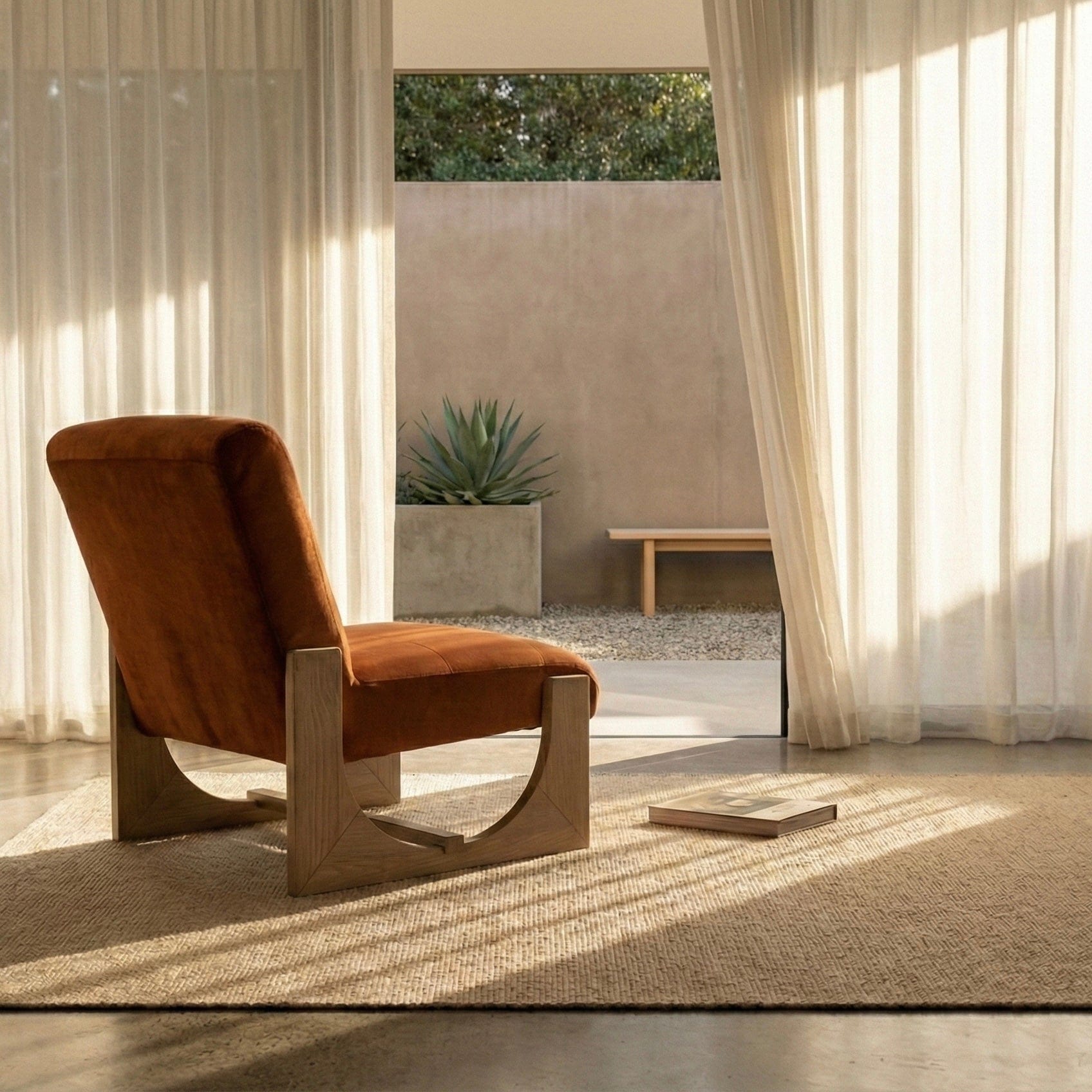


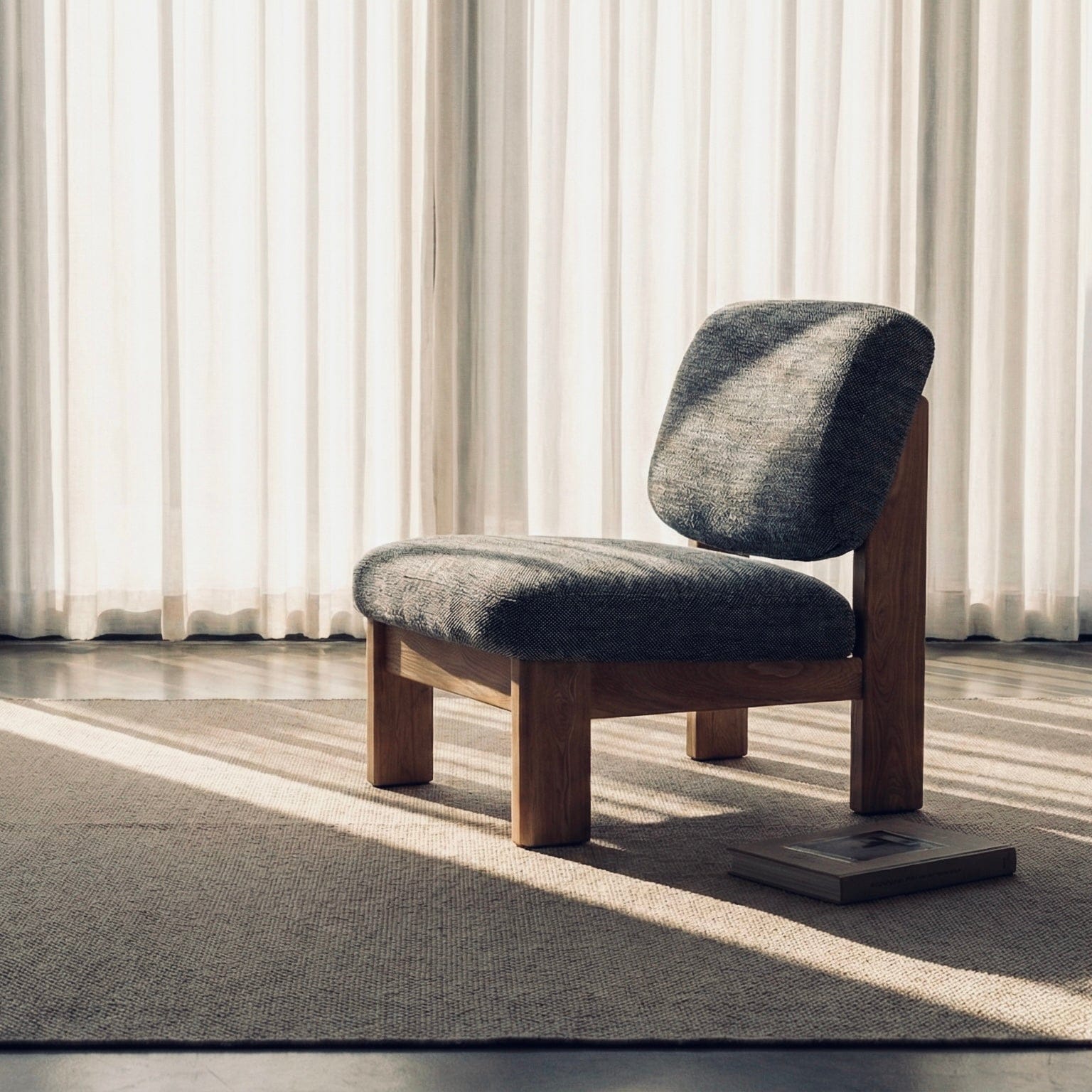
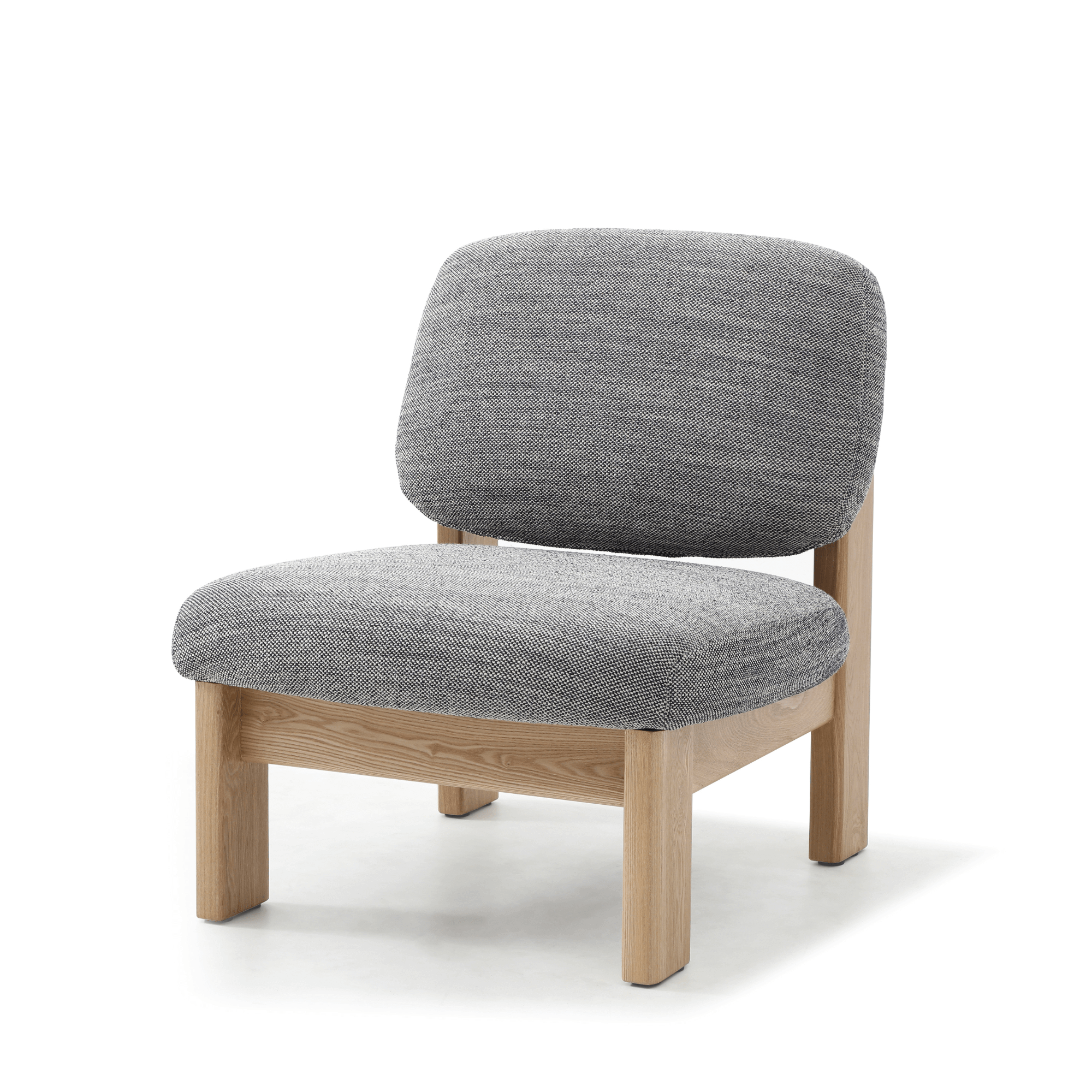
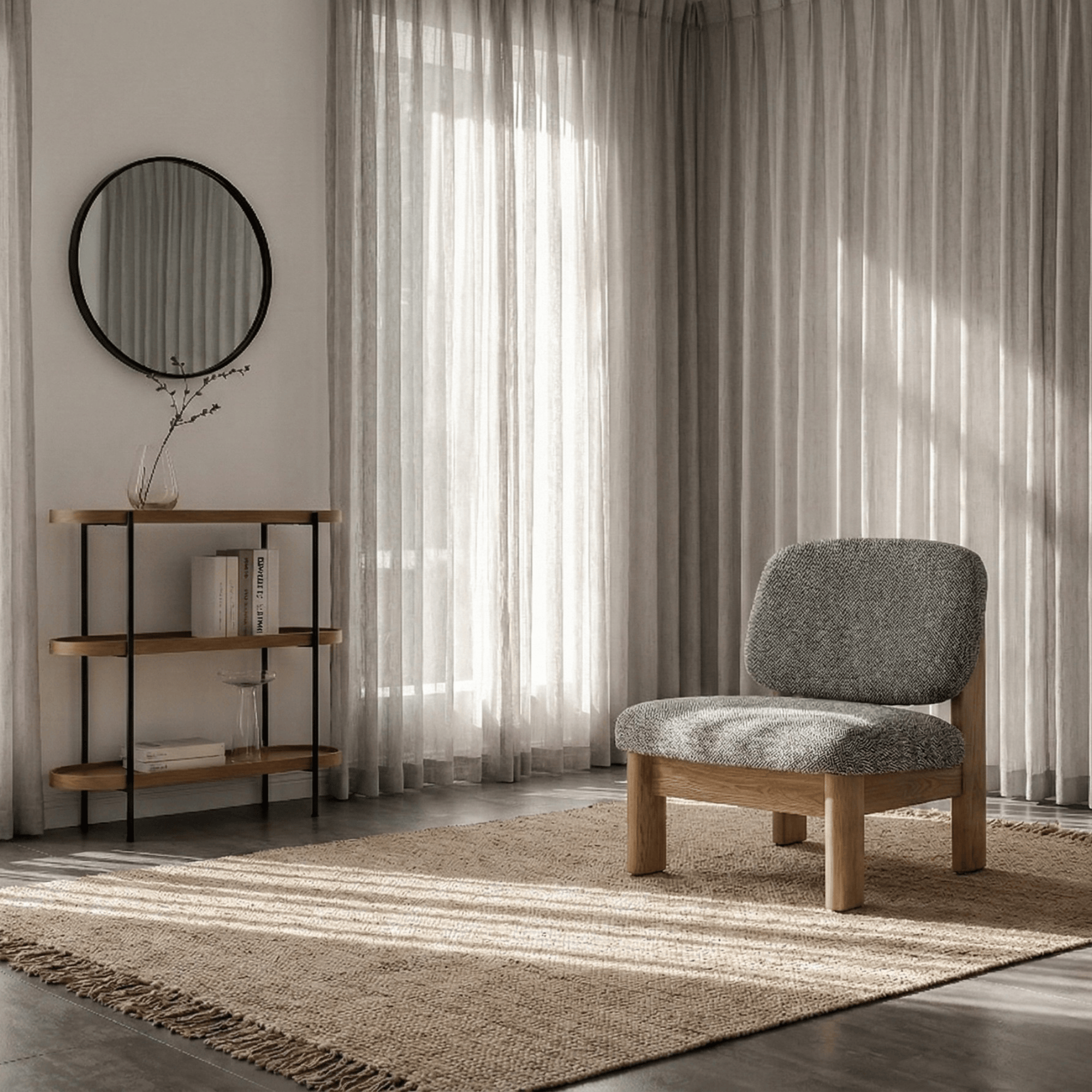
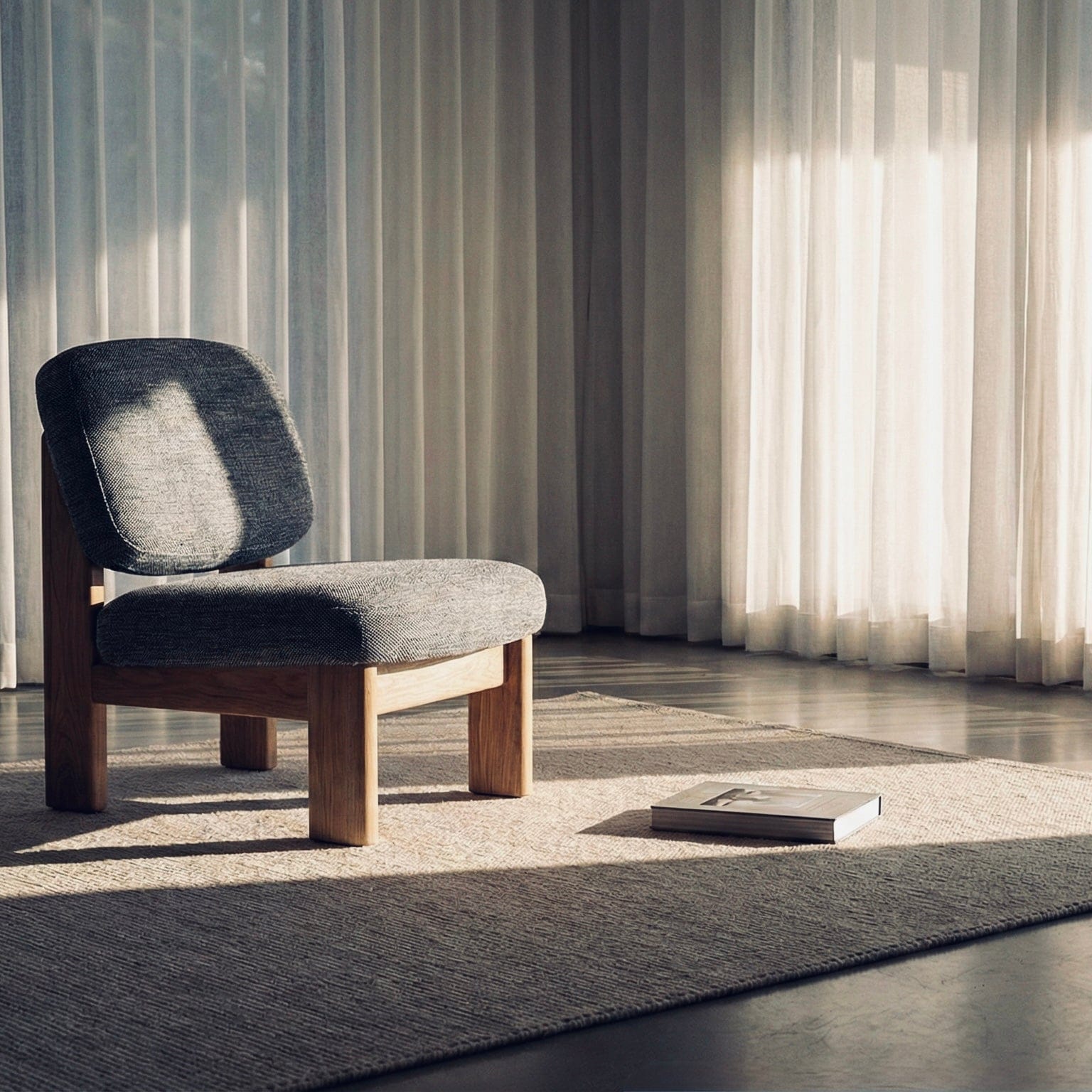
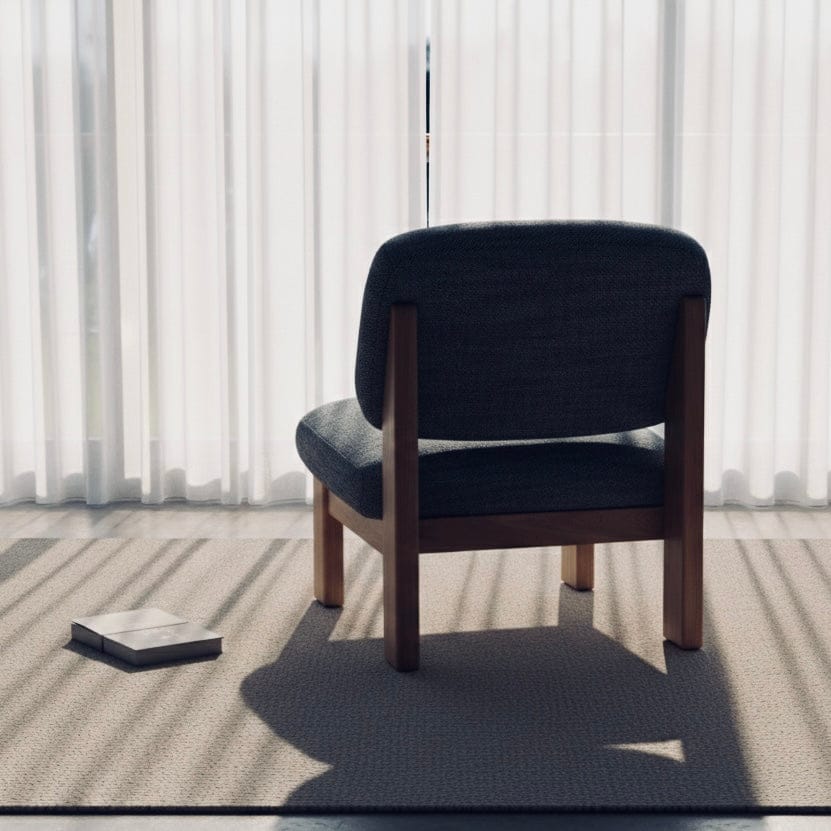
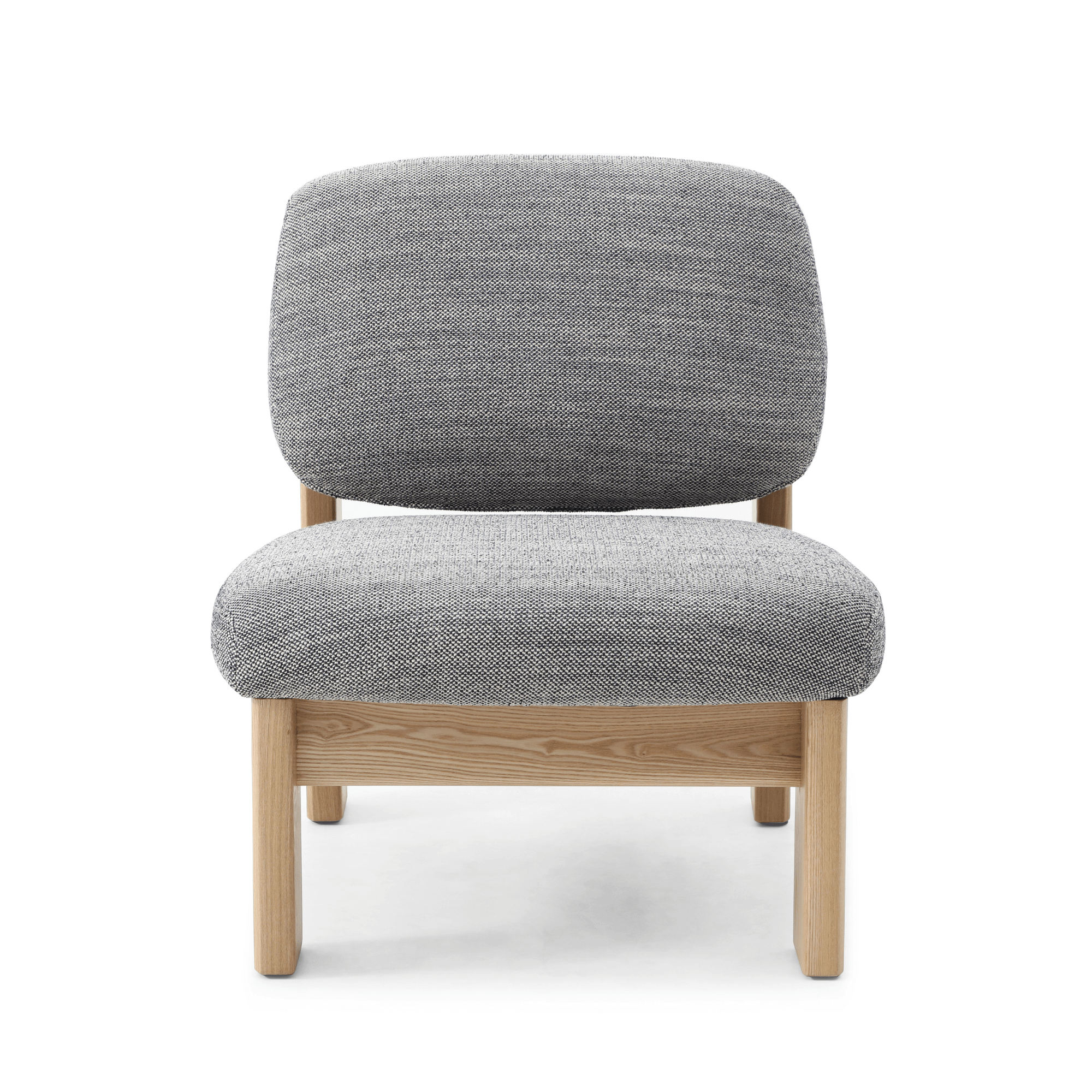
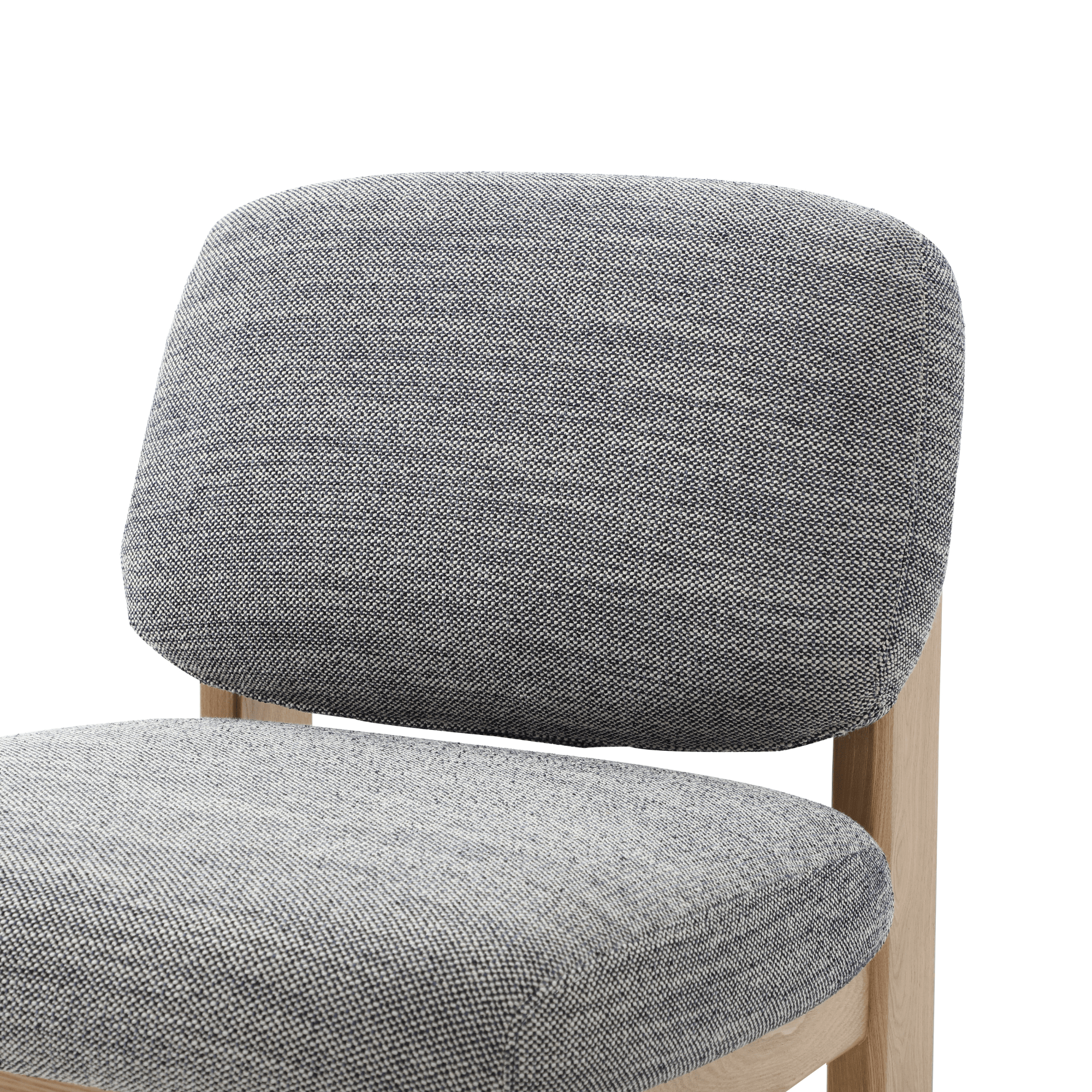
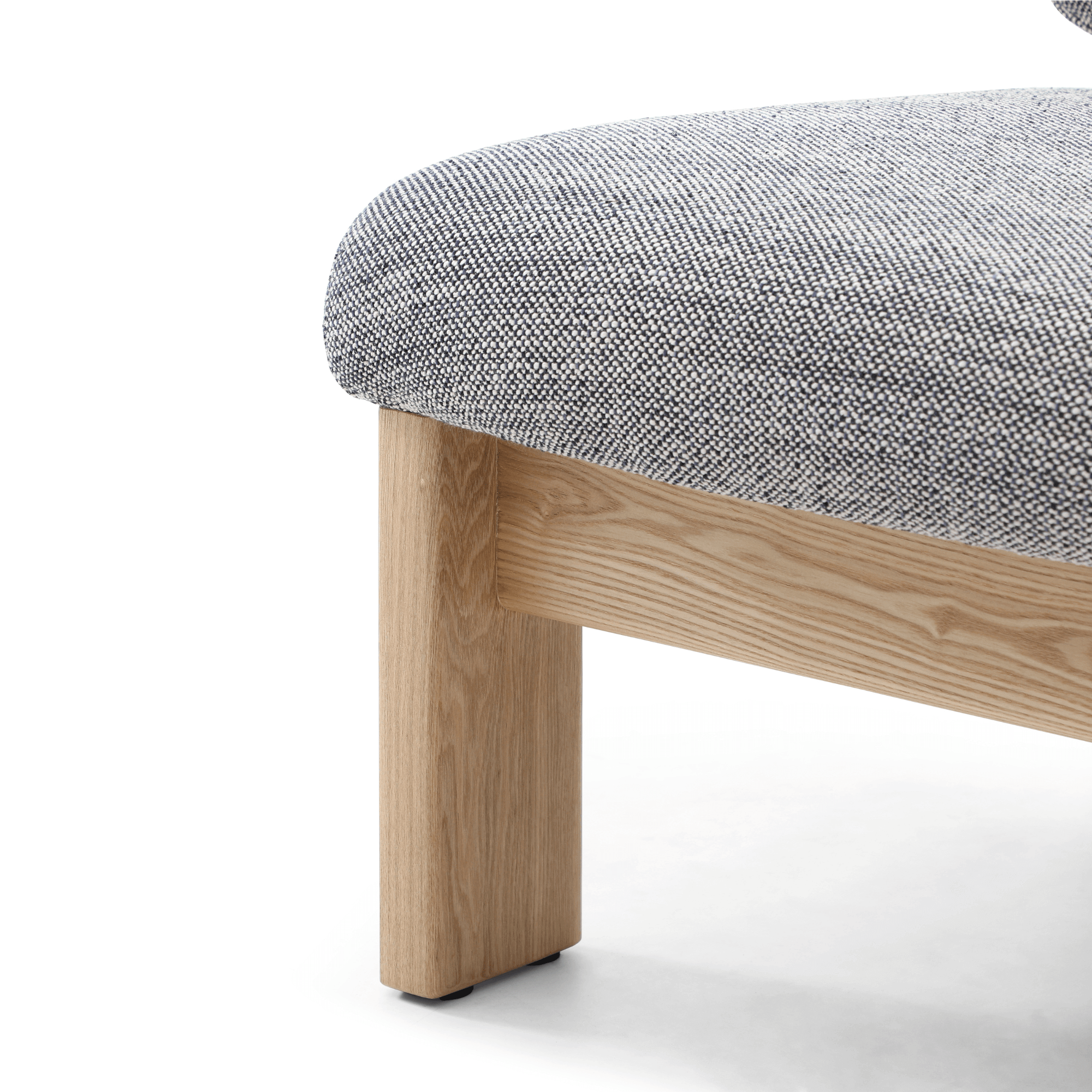
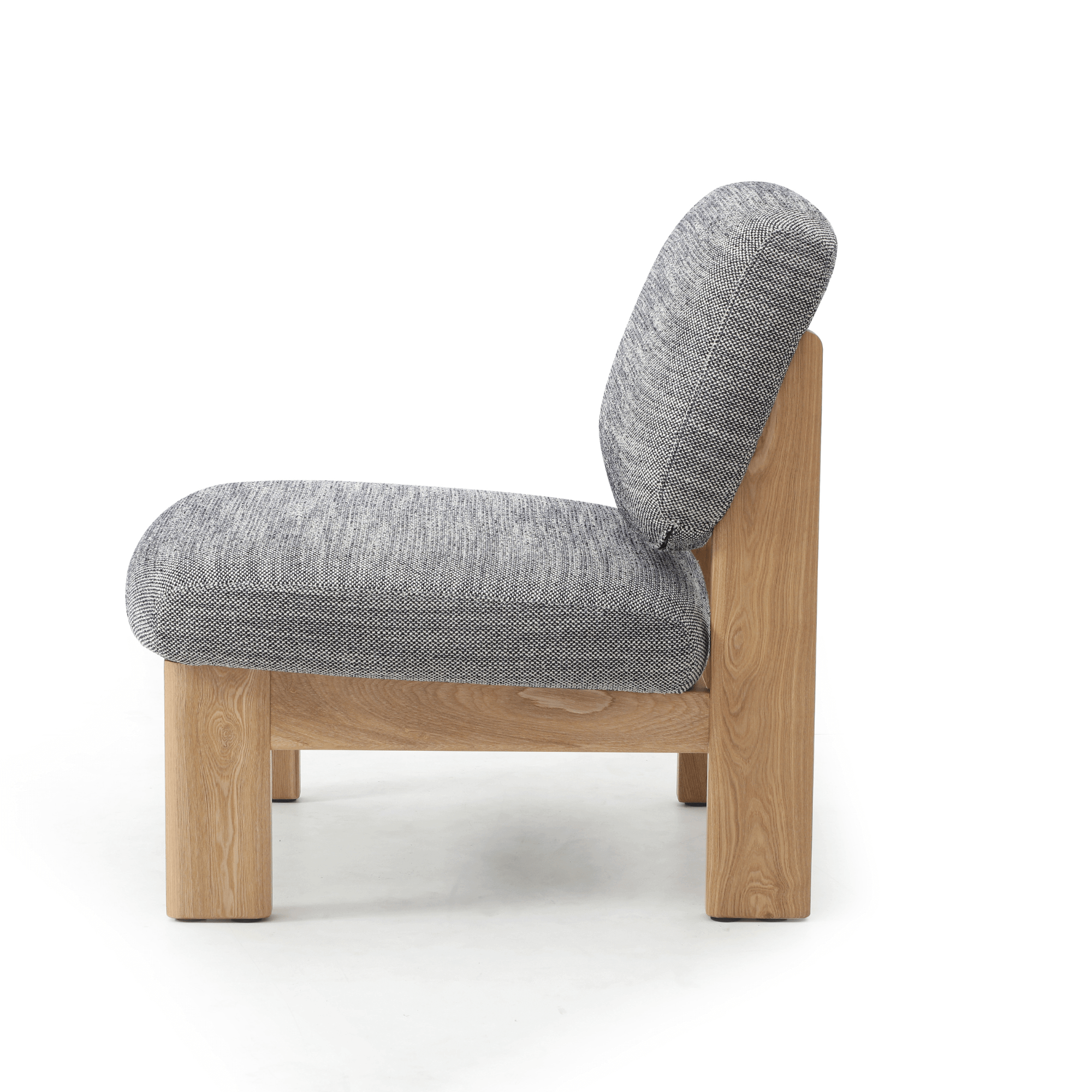
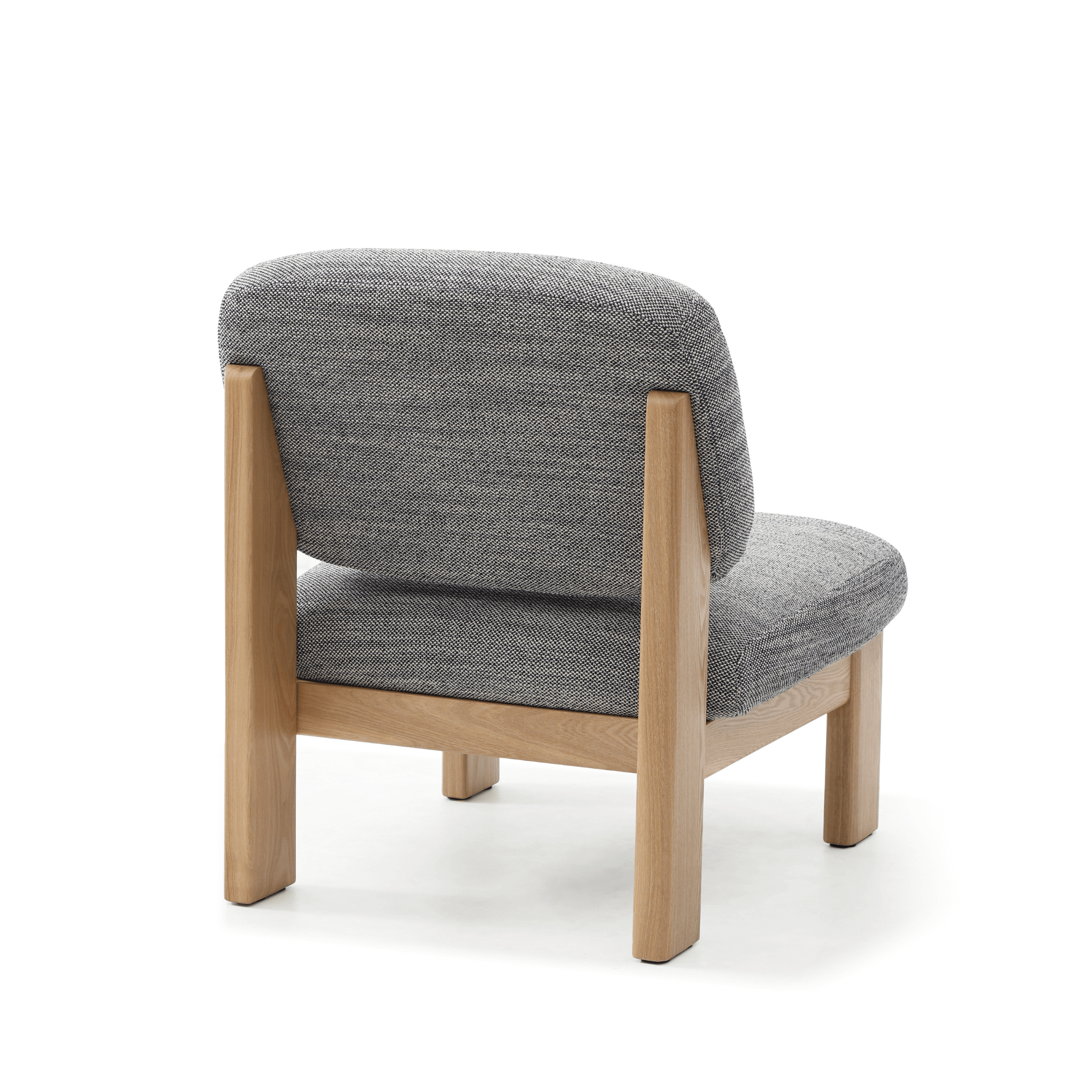

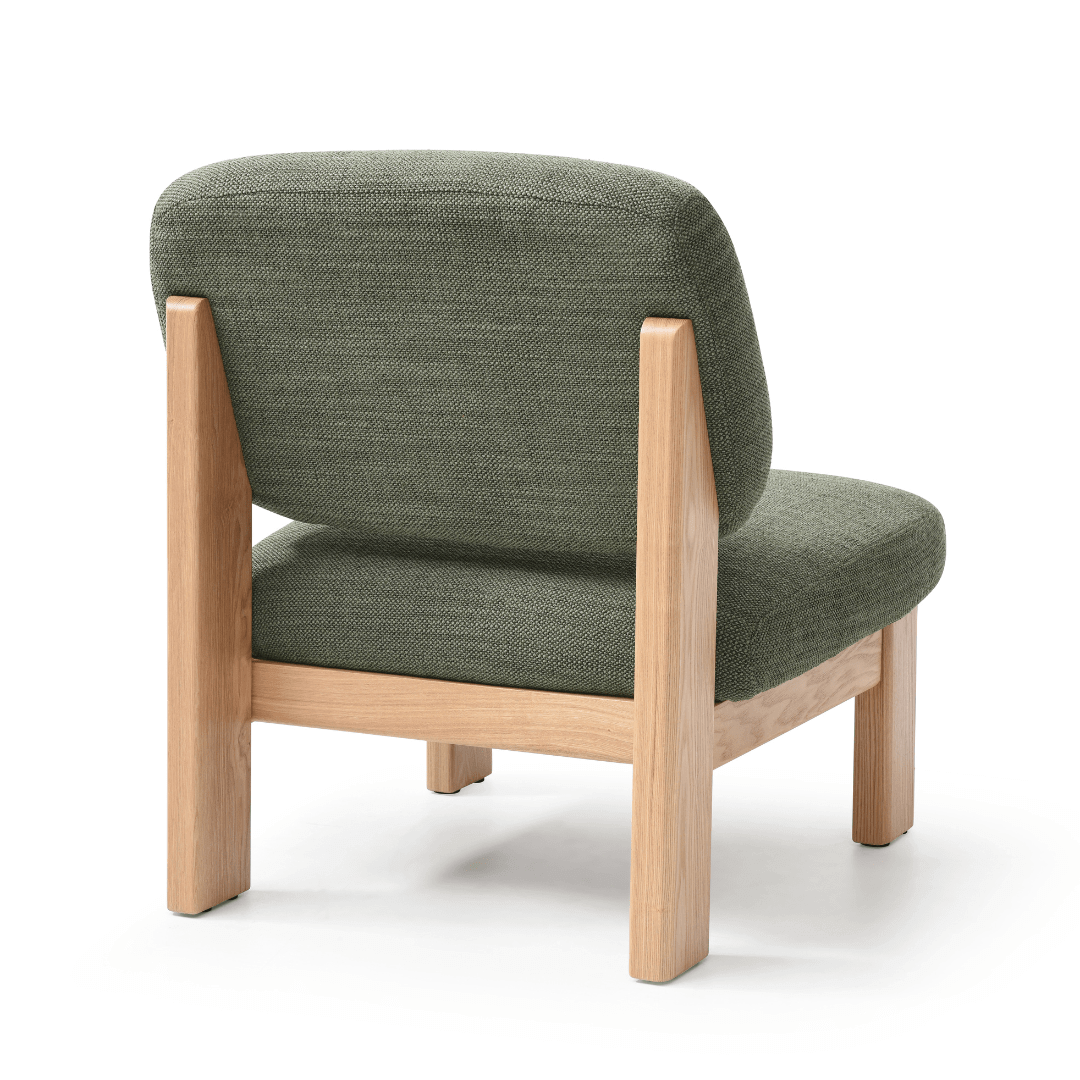
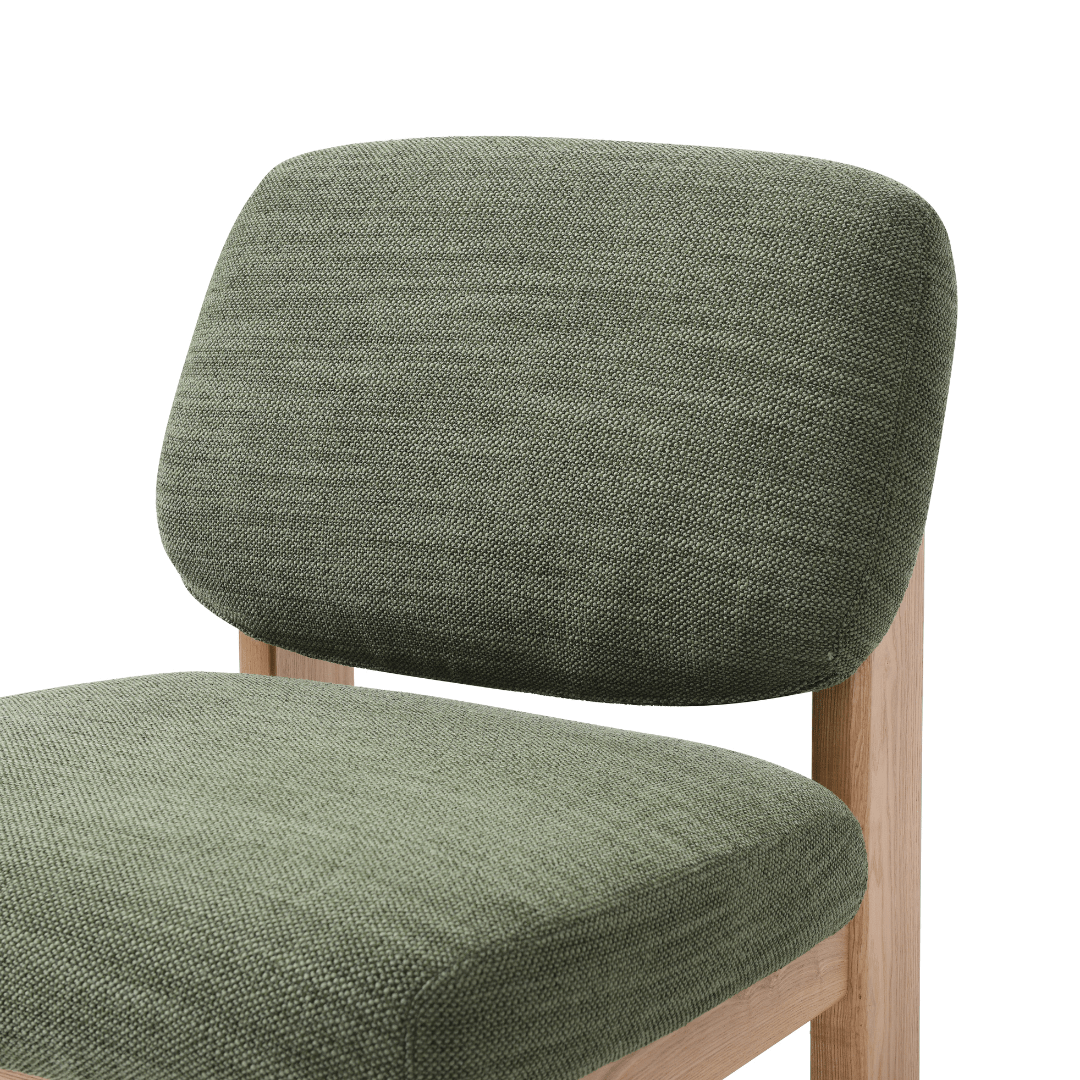
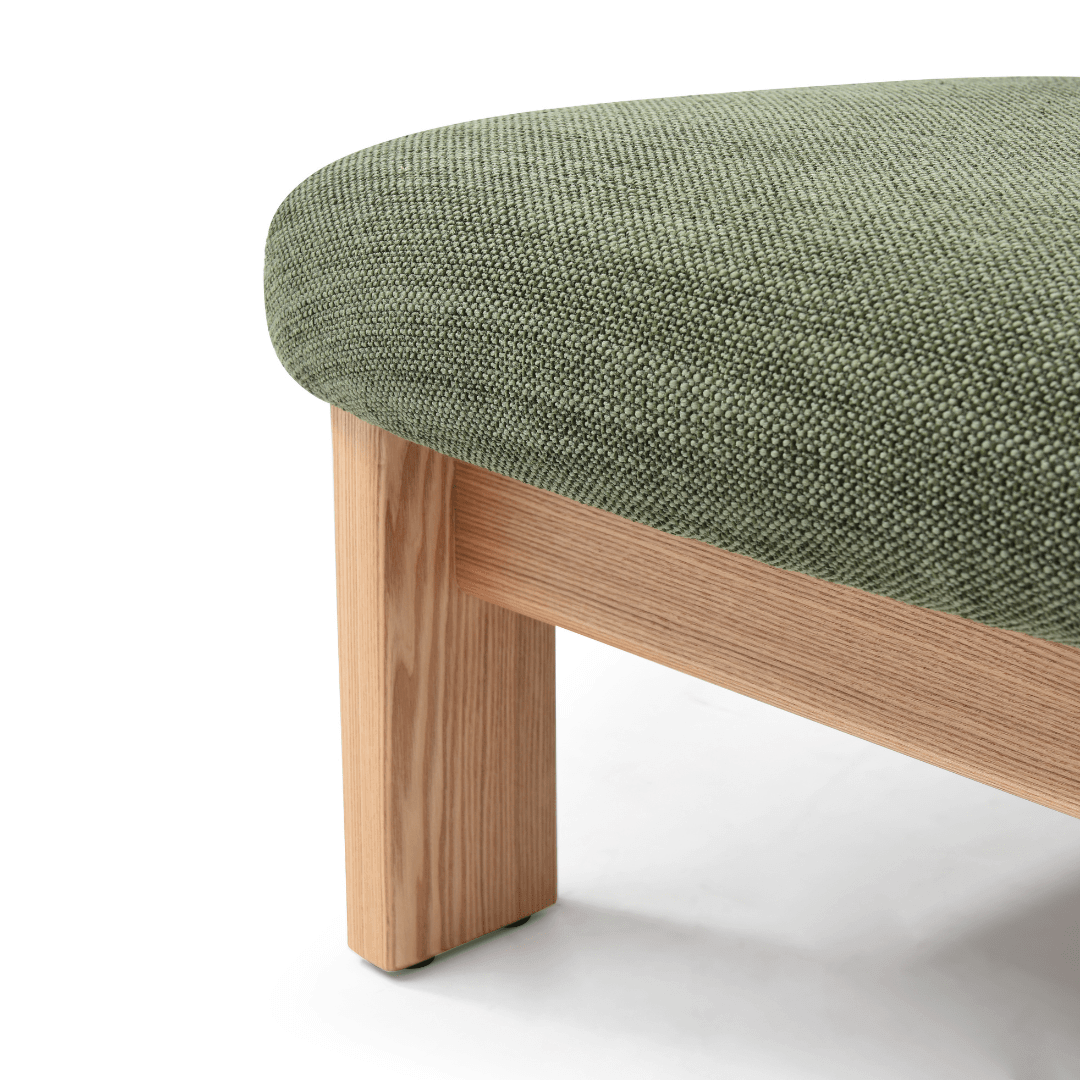
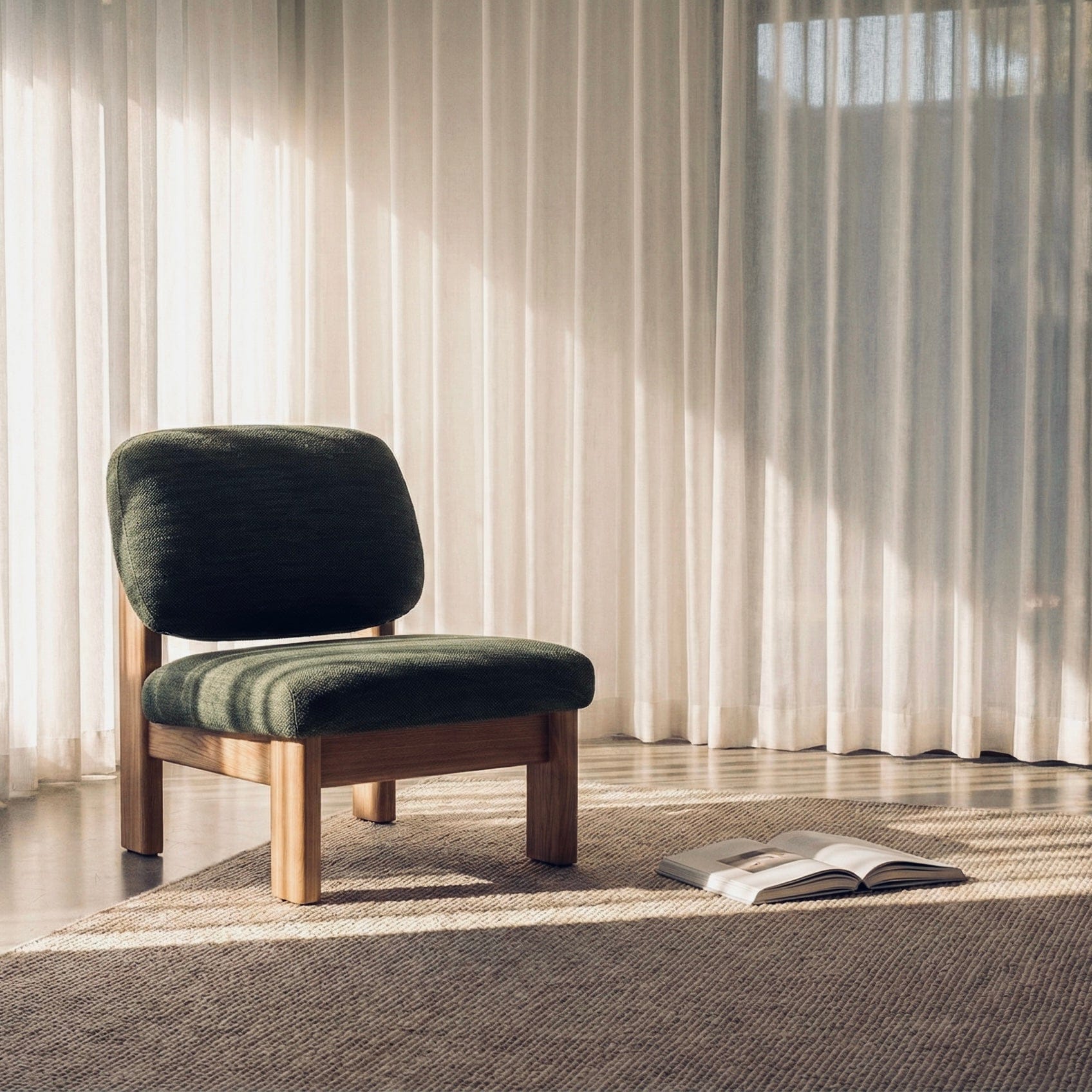
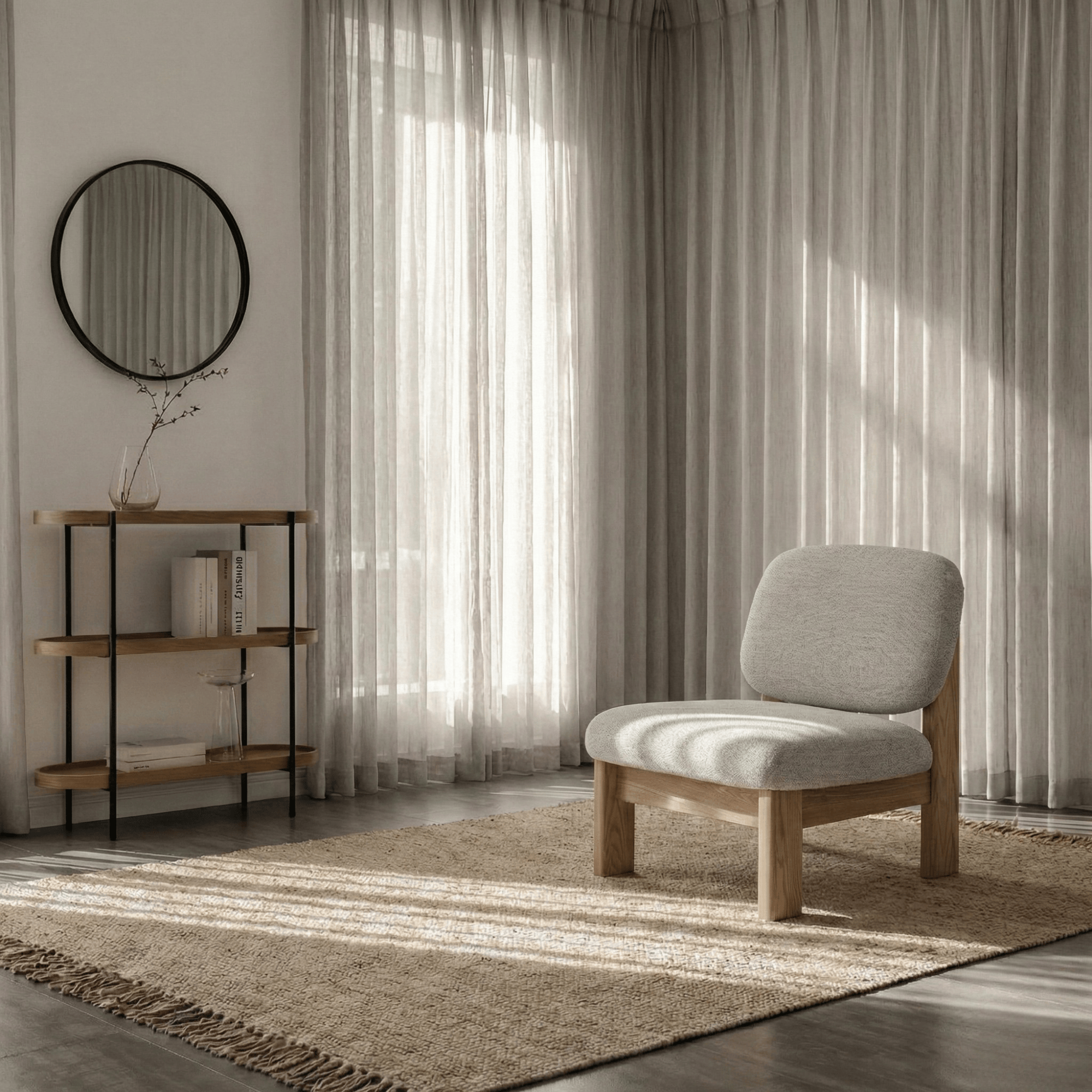
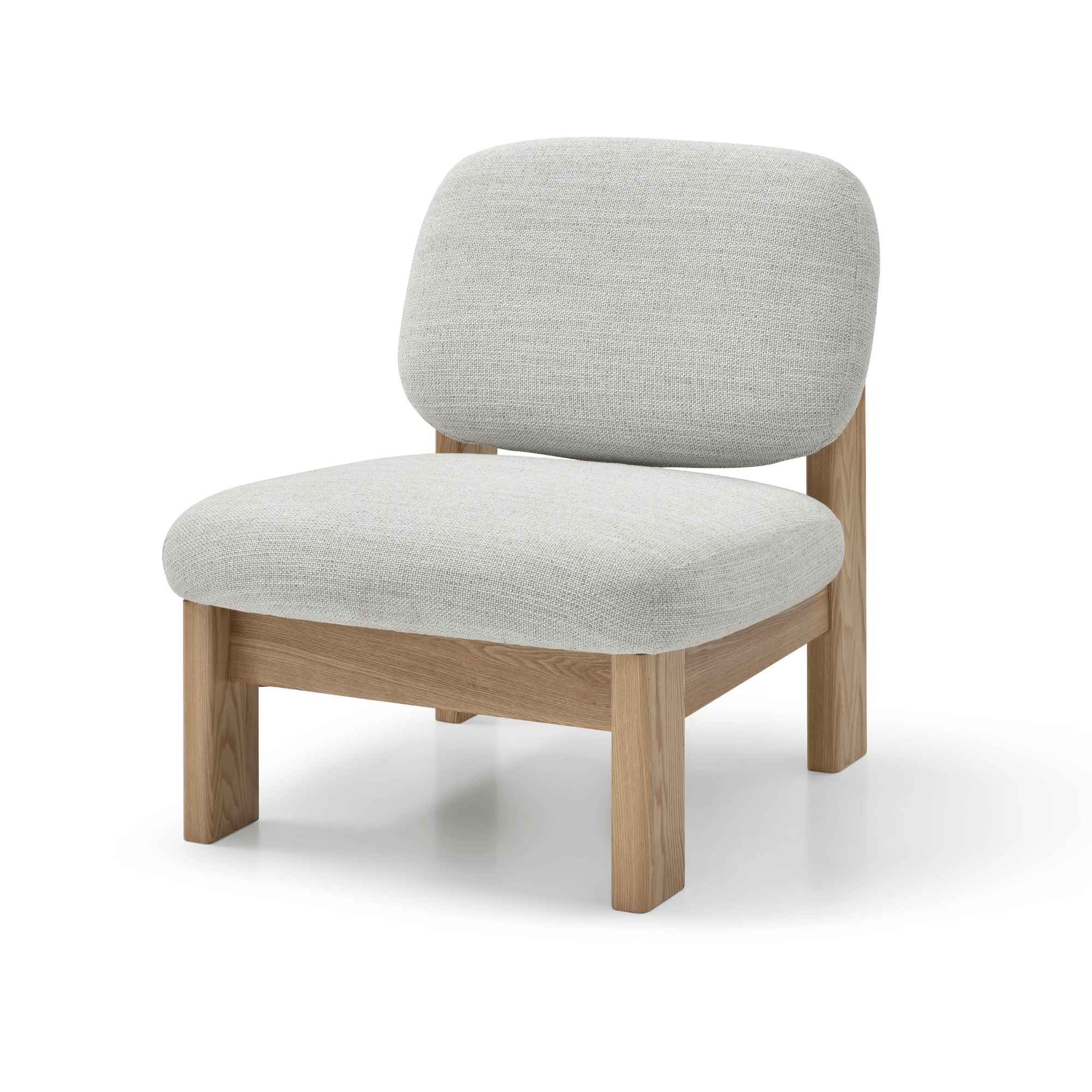
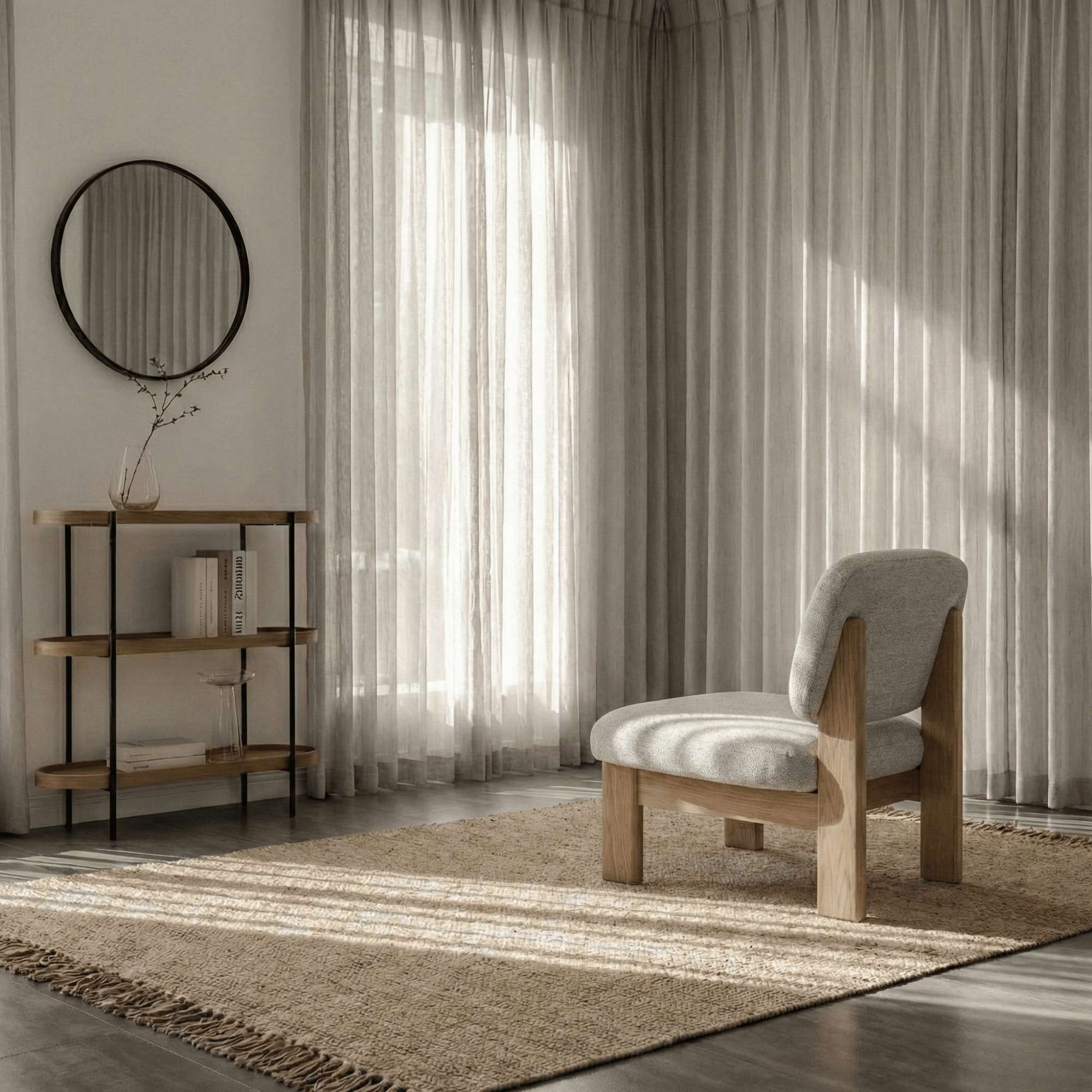
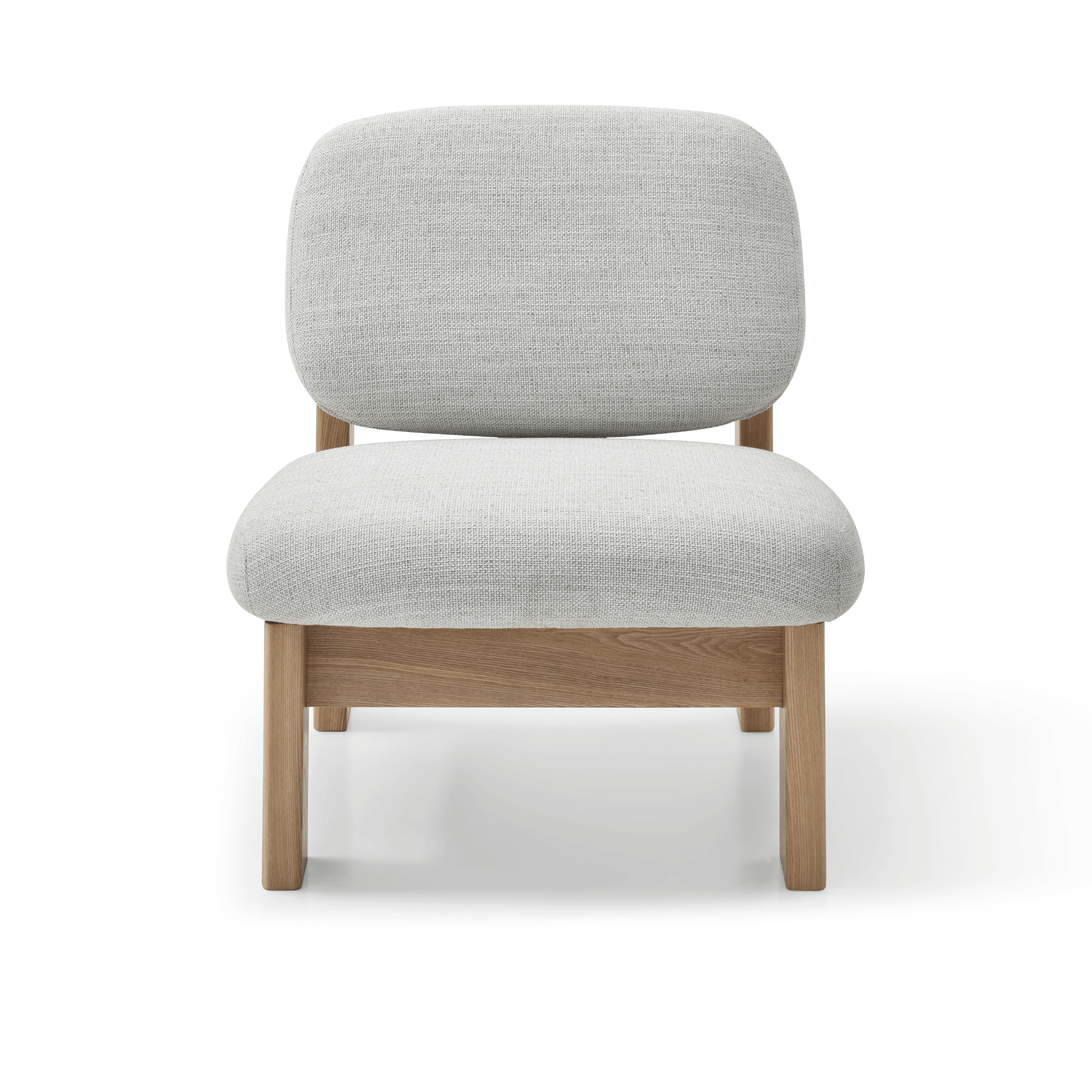
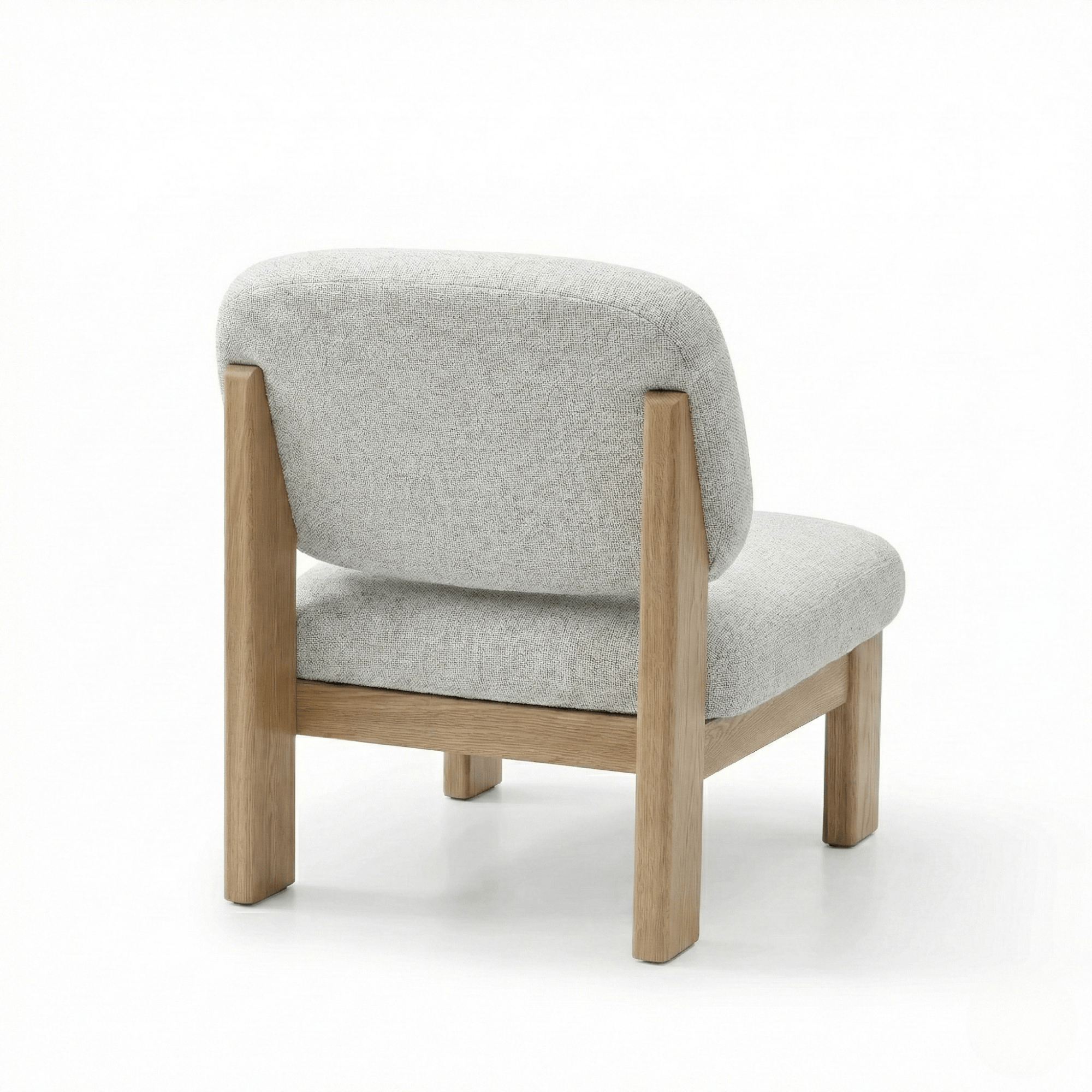
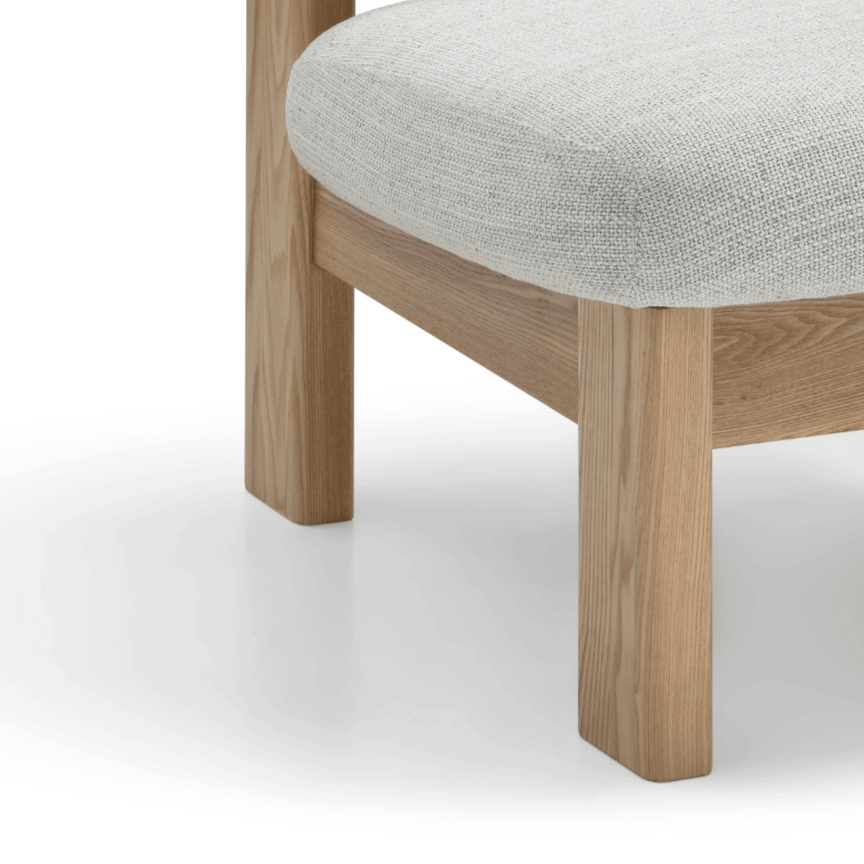
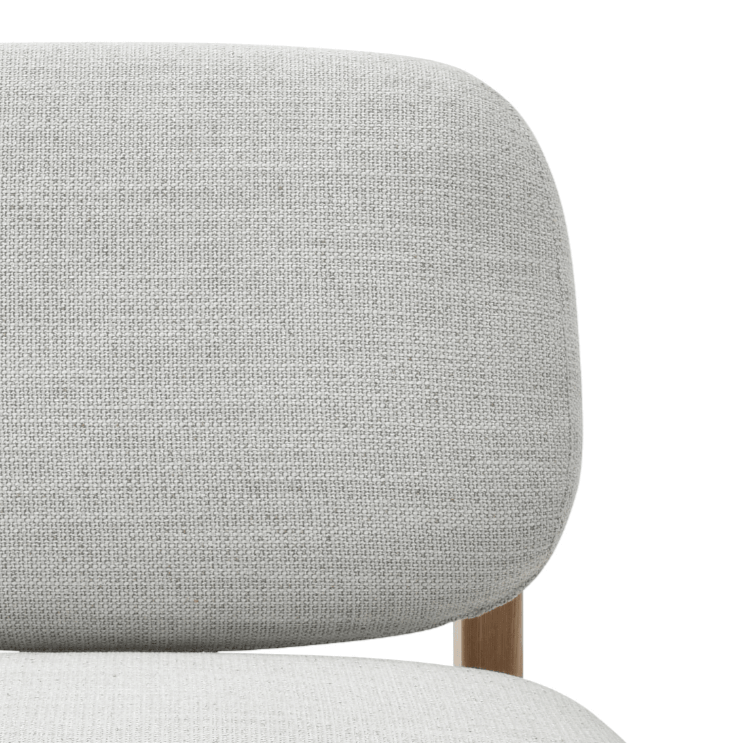
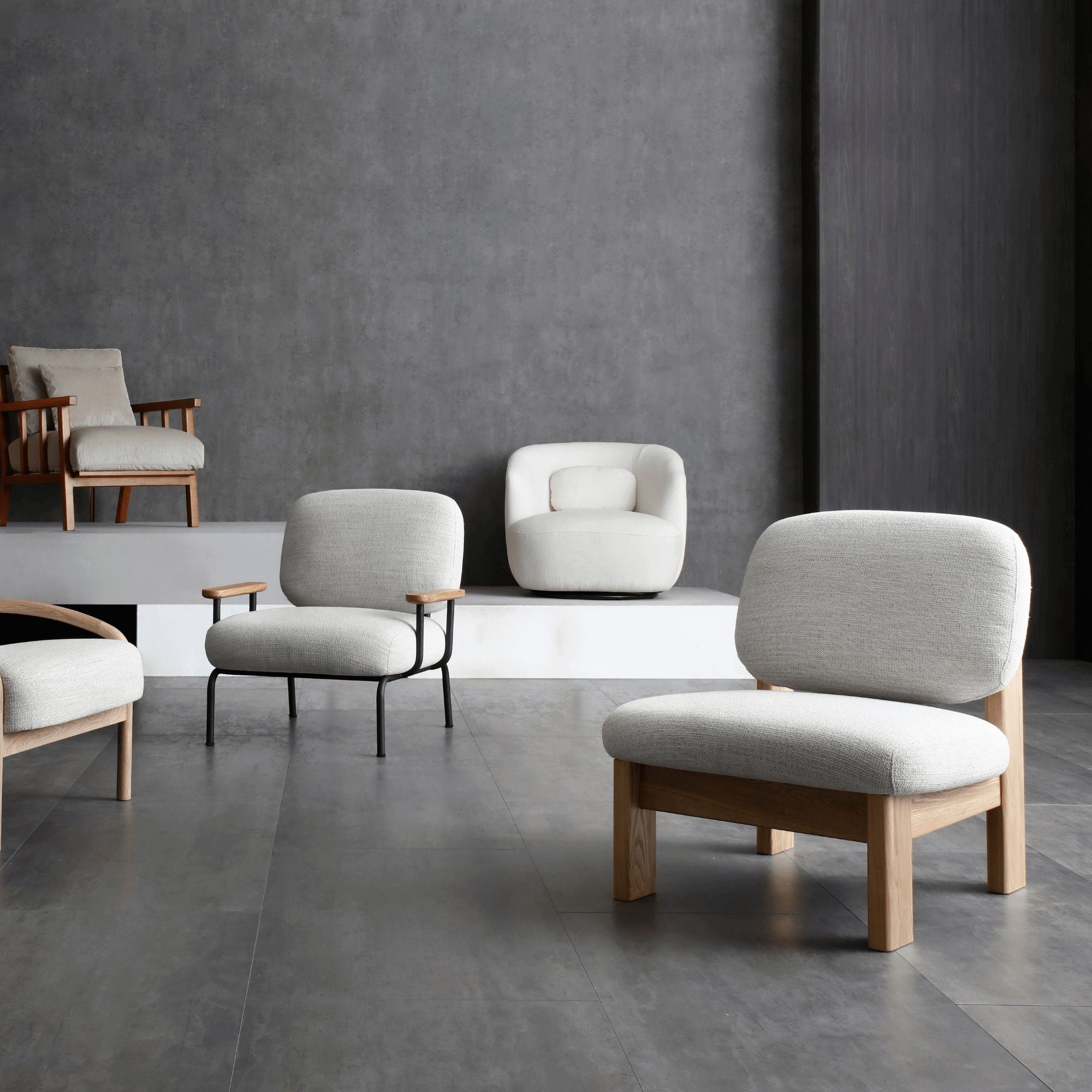
Mid-century modern design emerged in the postwar period as a response to ornate historicism — a preference for functional beauty over decoration for its own sake. The defining features are well known: tapered legs, clean horizontal lines, upholstered seats with defined back and arm profiles, and materials that balance warmth with refinement. What makes mid-century modern armchairs endure isn't nostalgia — it's that the underlying design logic remains valid. A well-proportioned chair with clean lines simply works in most rooms.
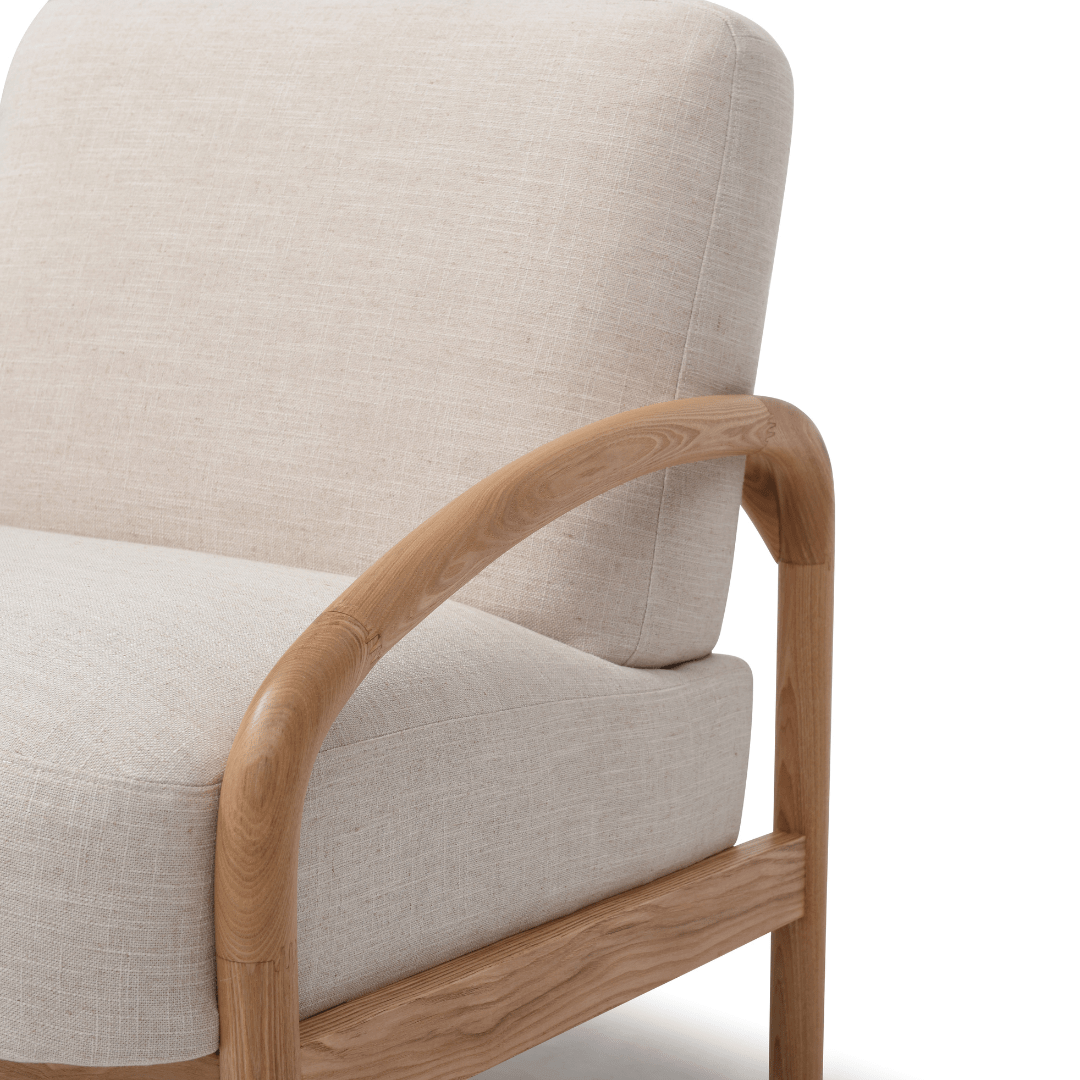
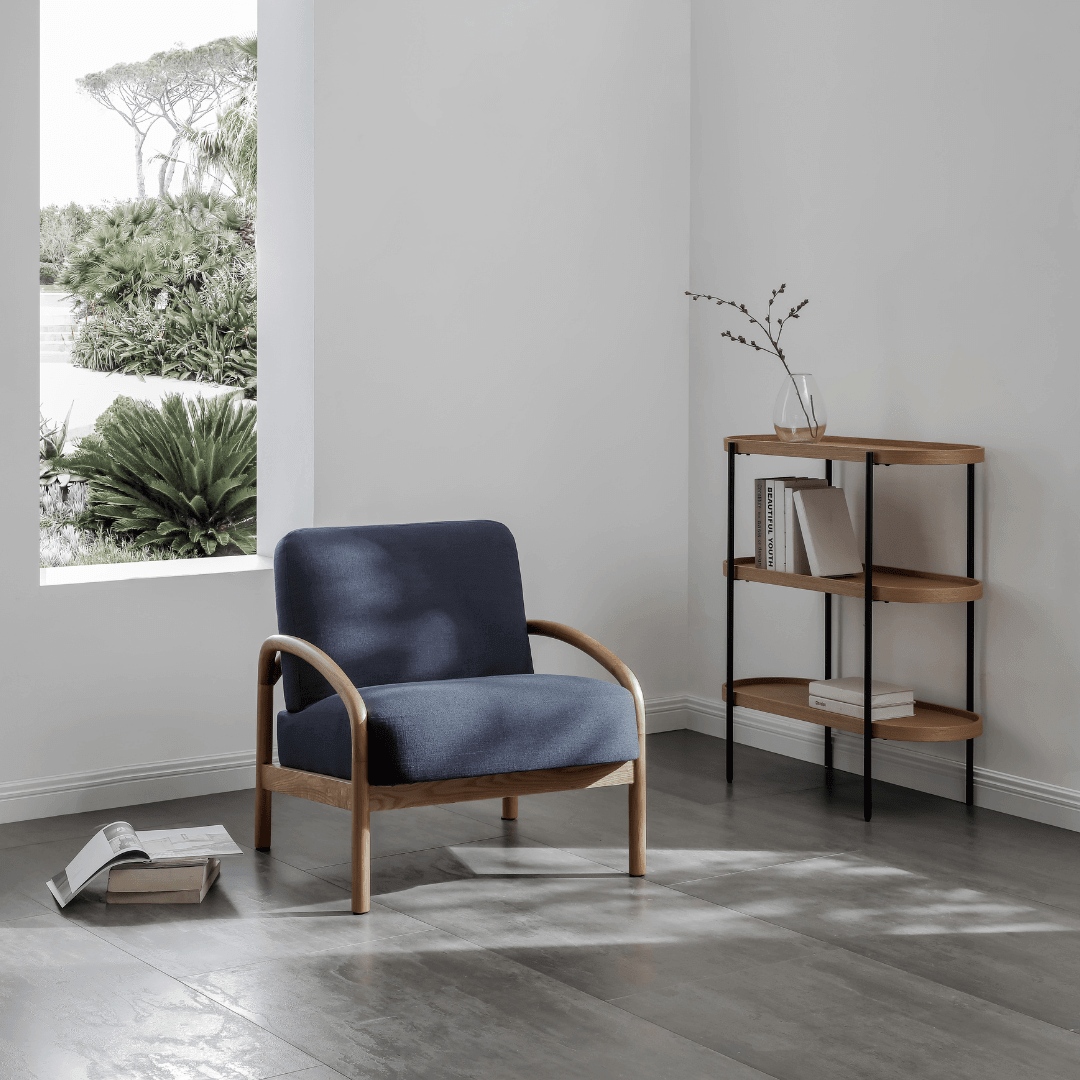
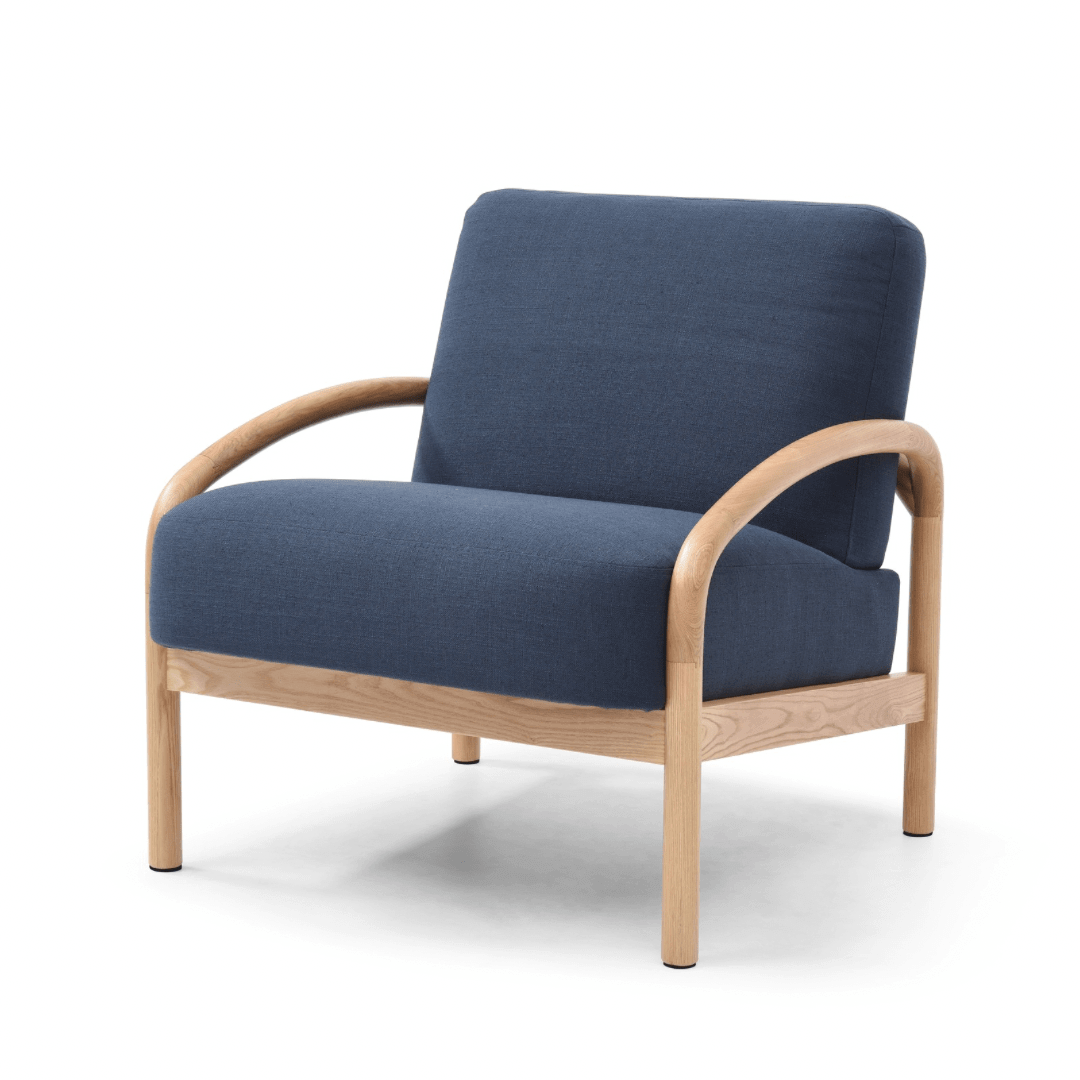
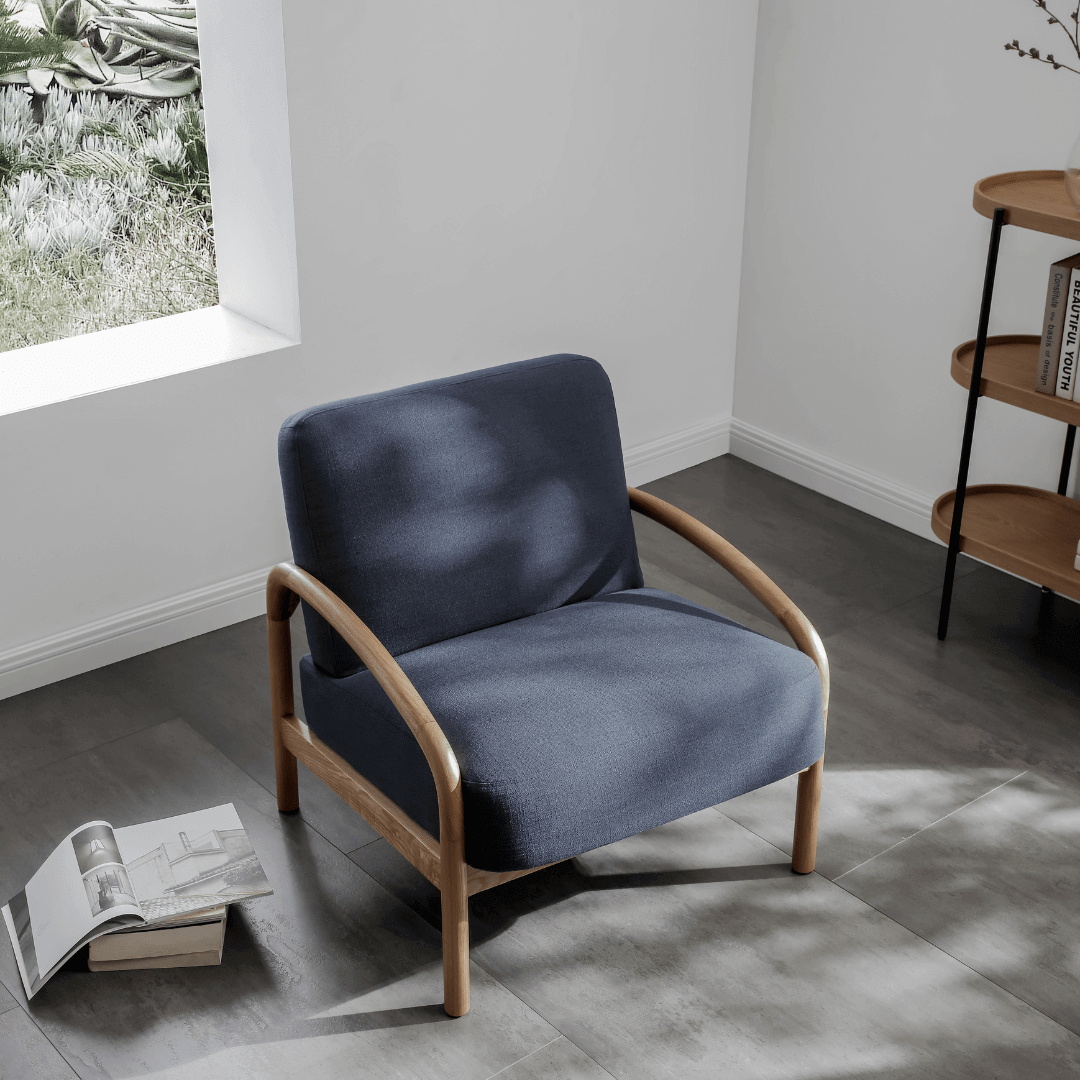
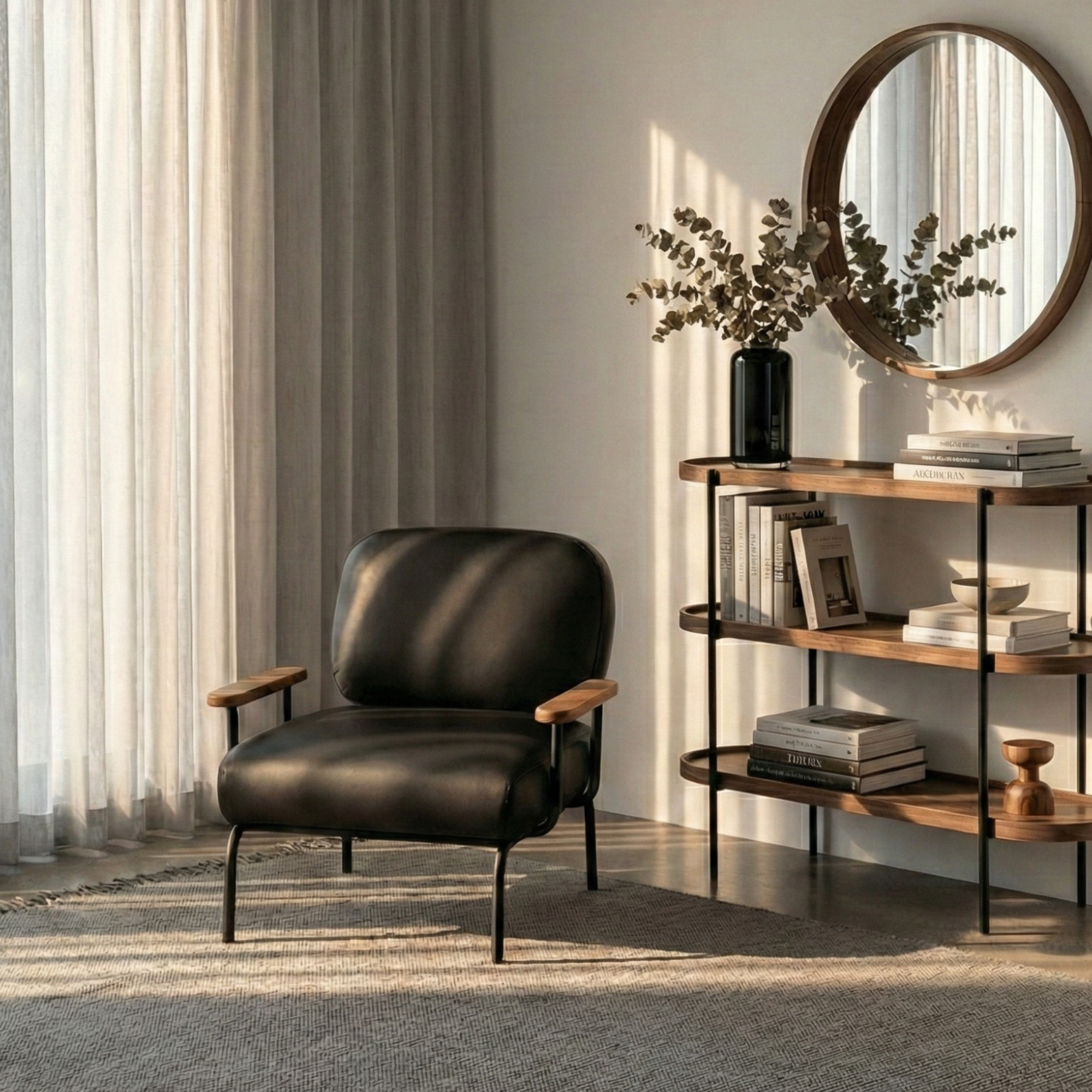
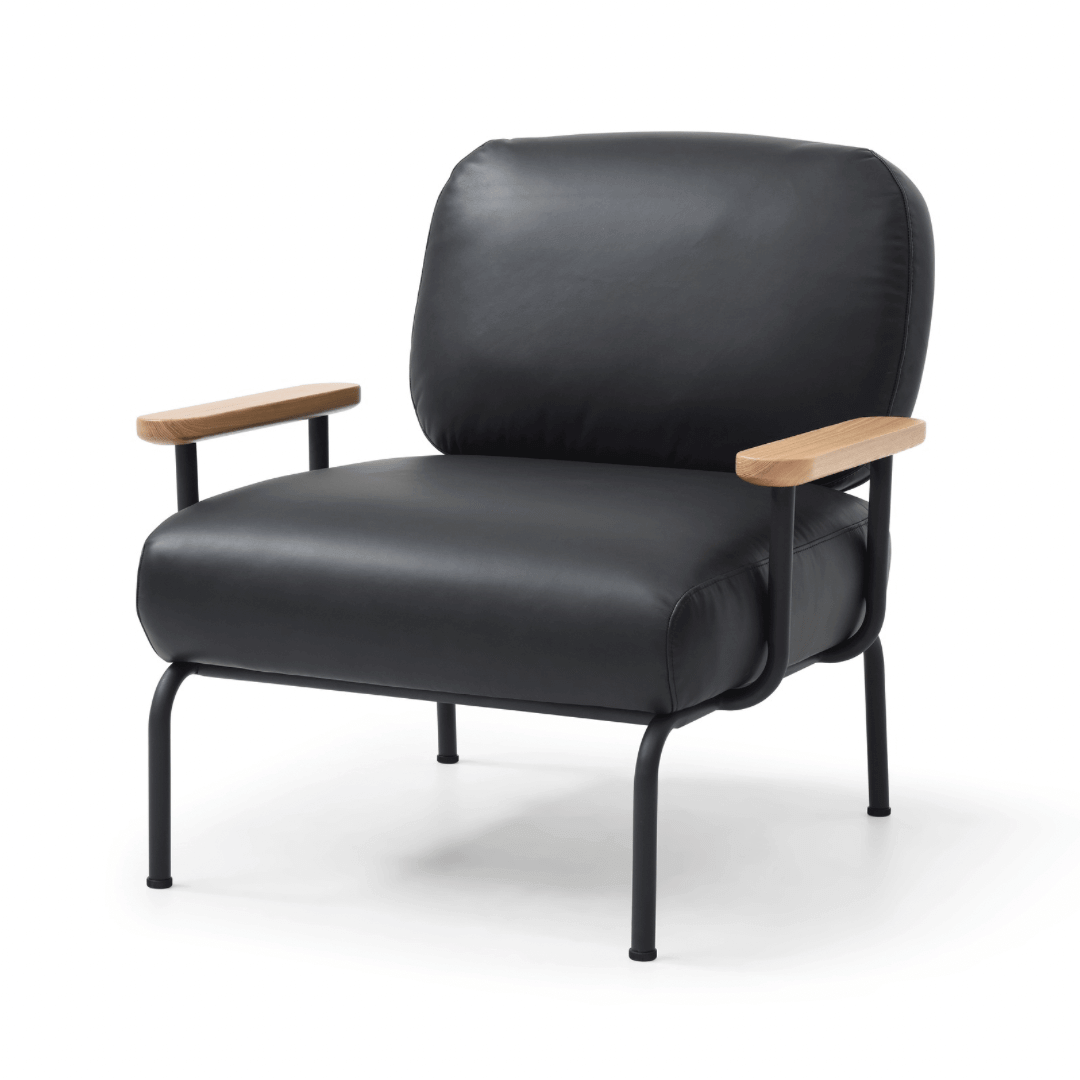
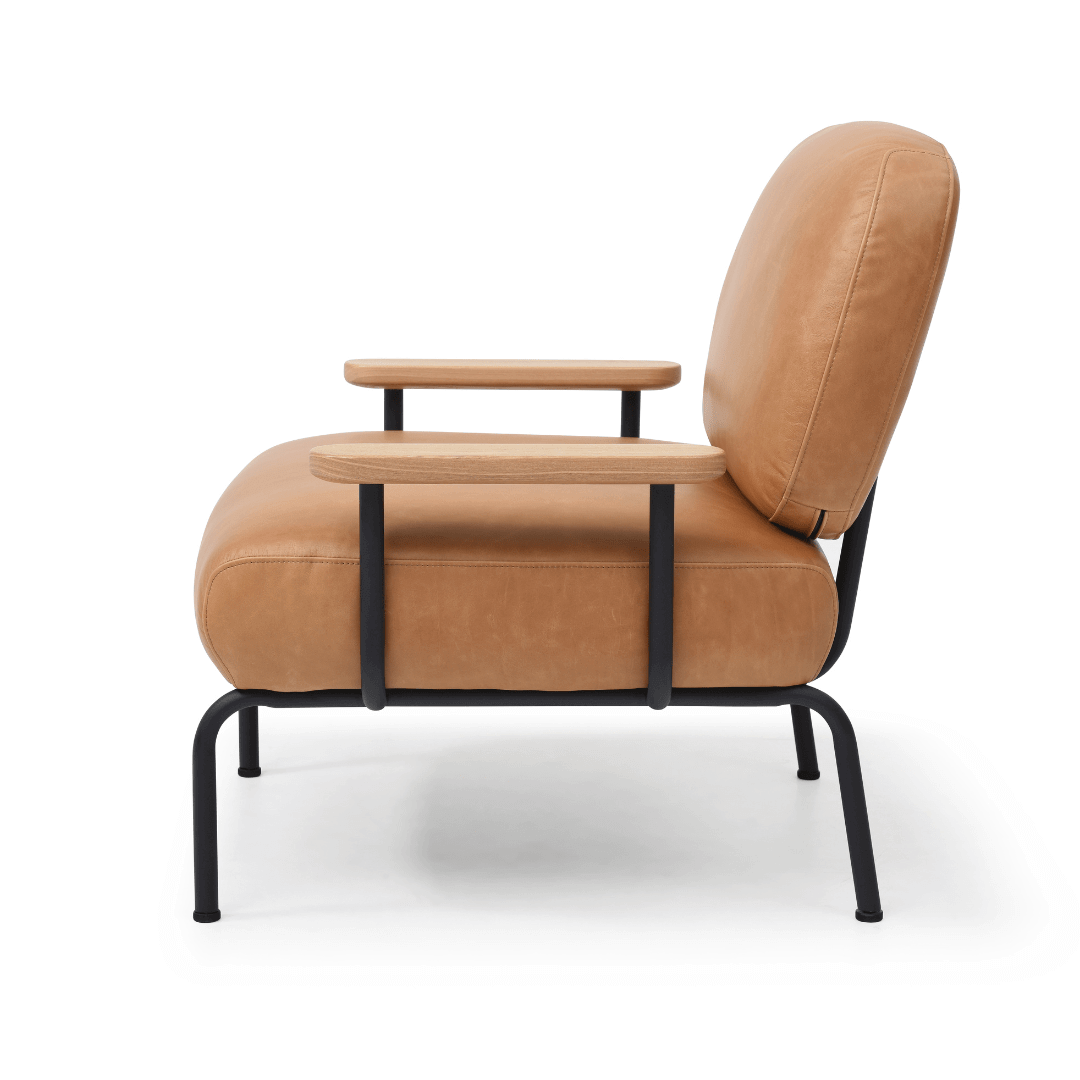
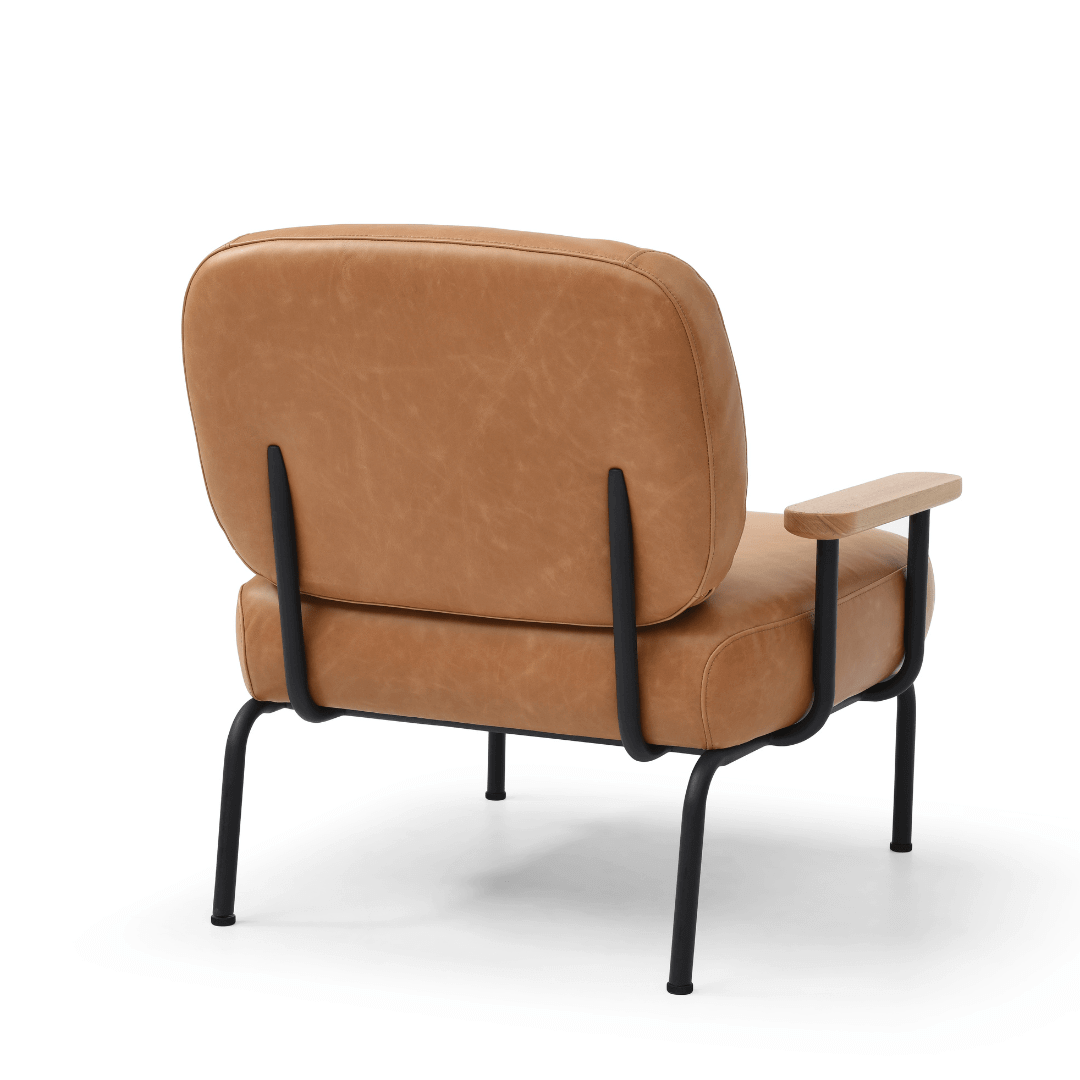
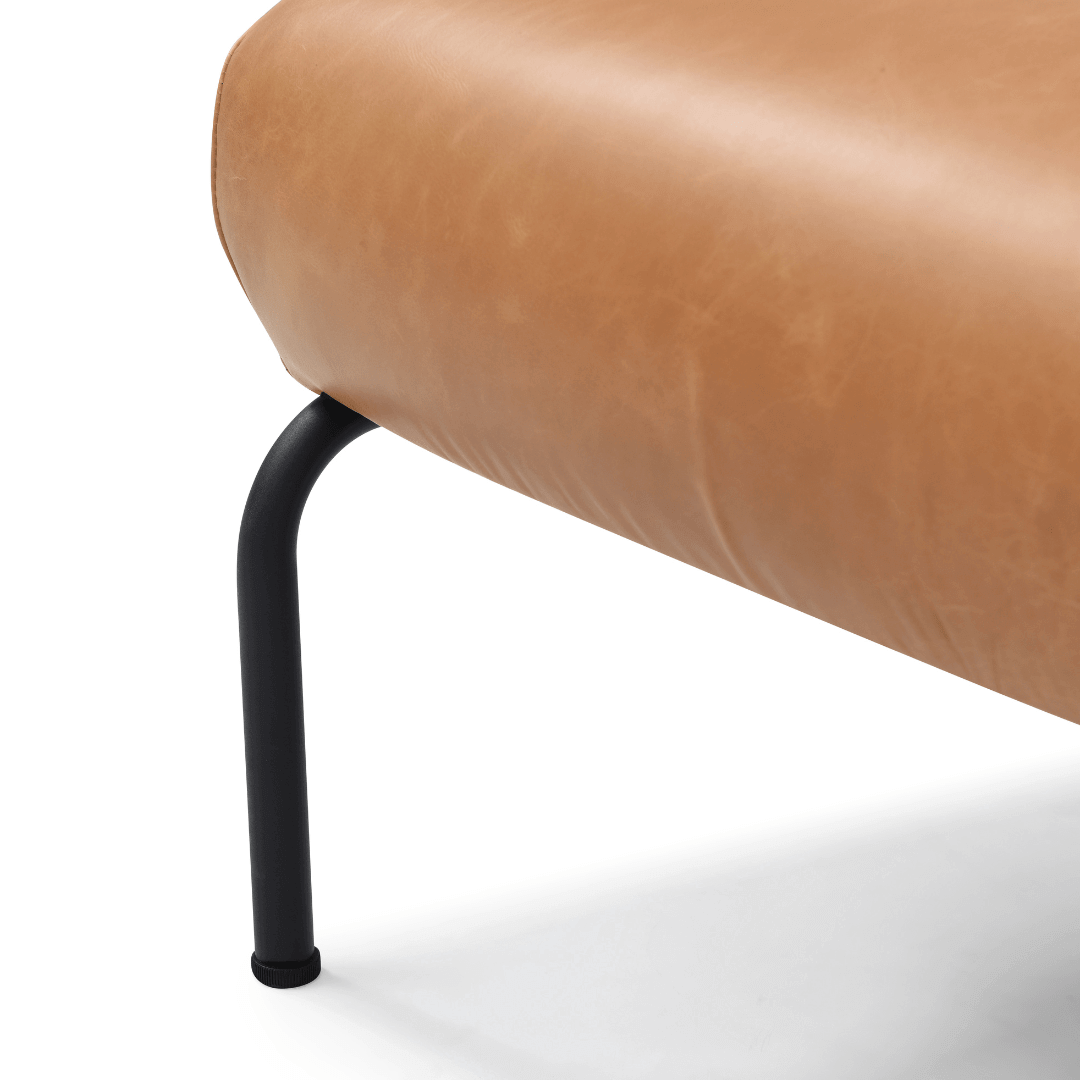
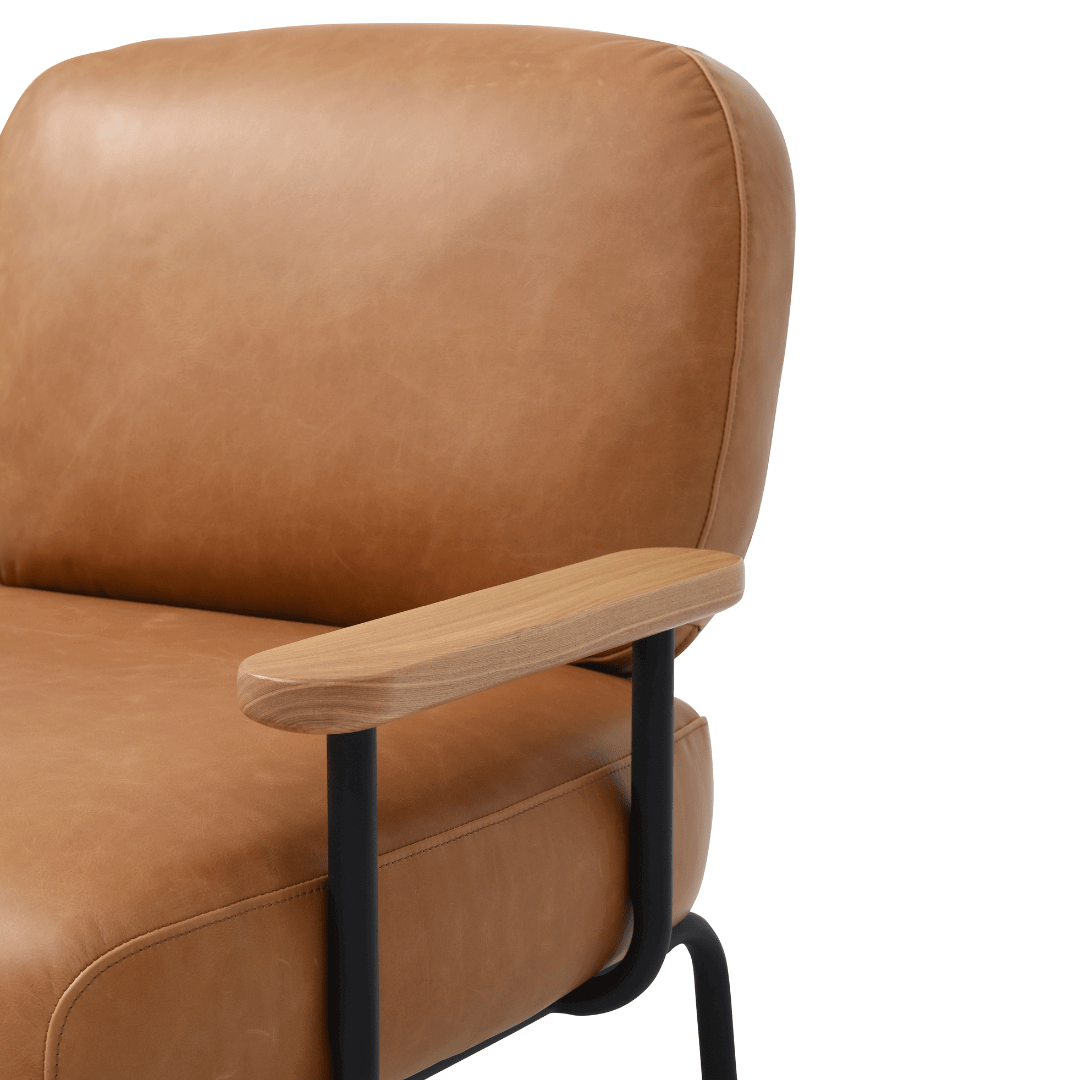
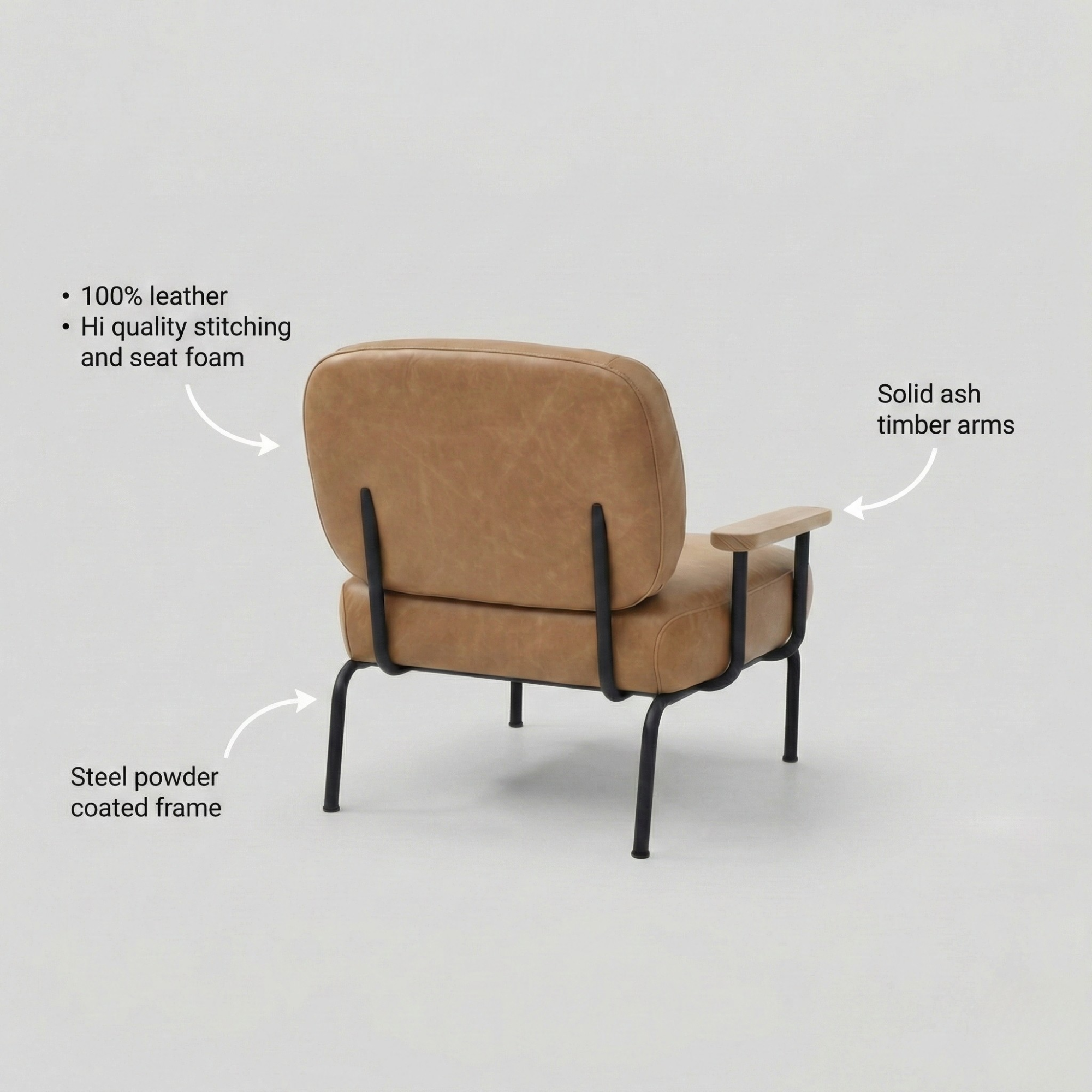
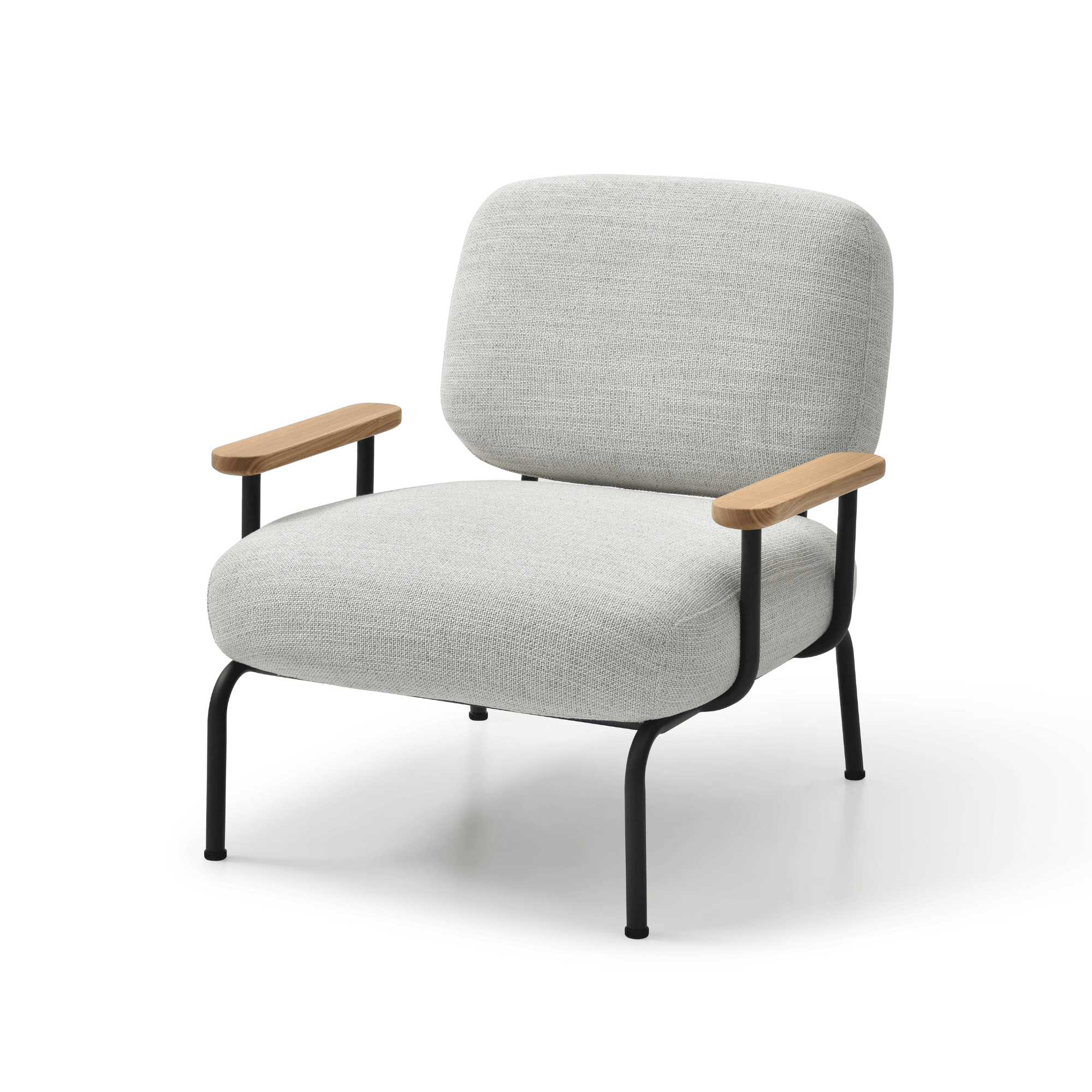
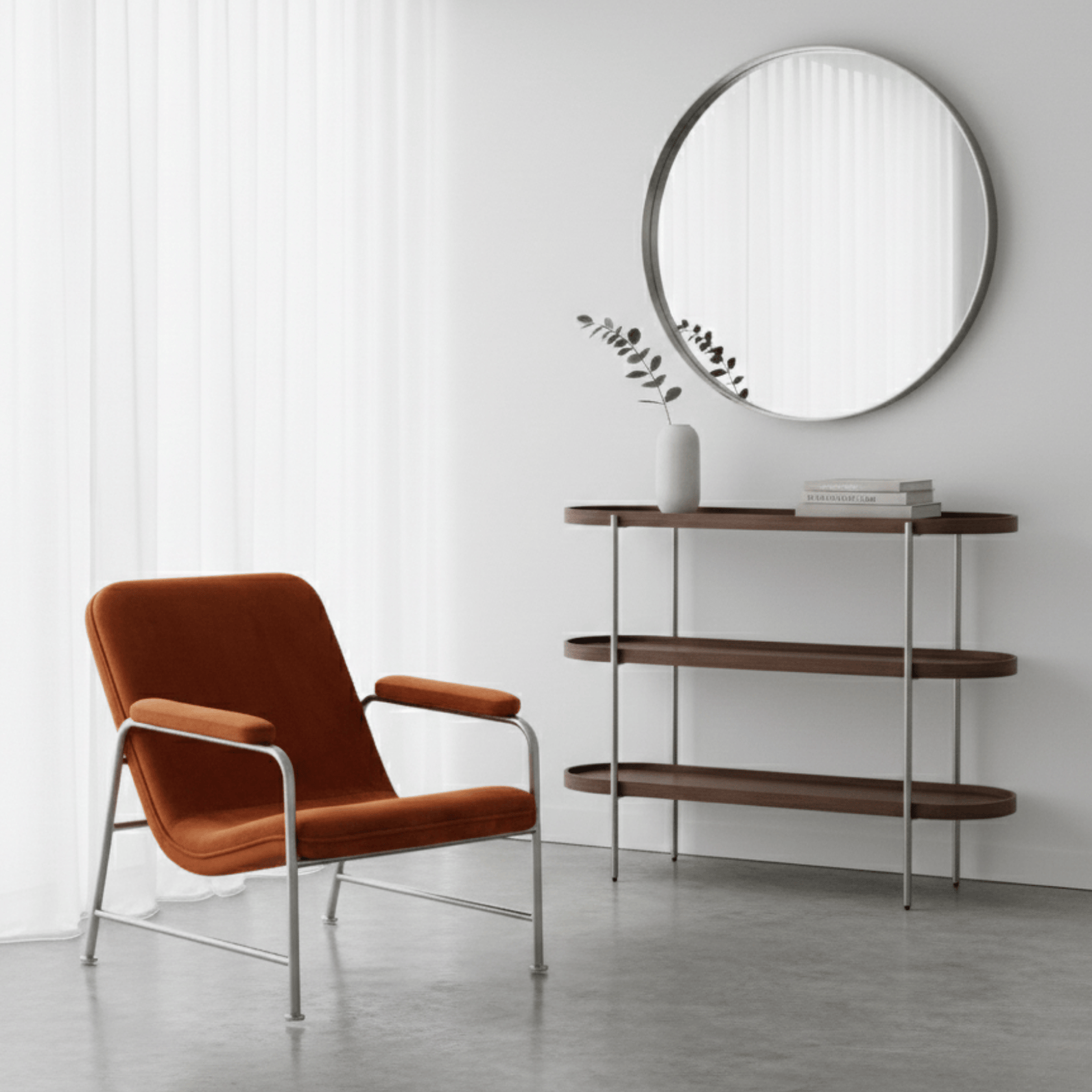
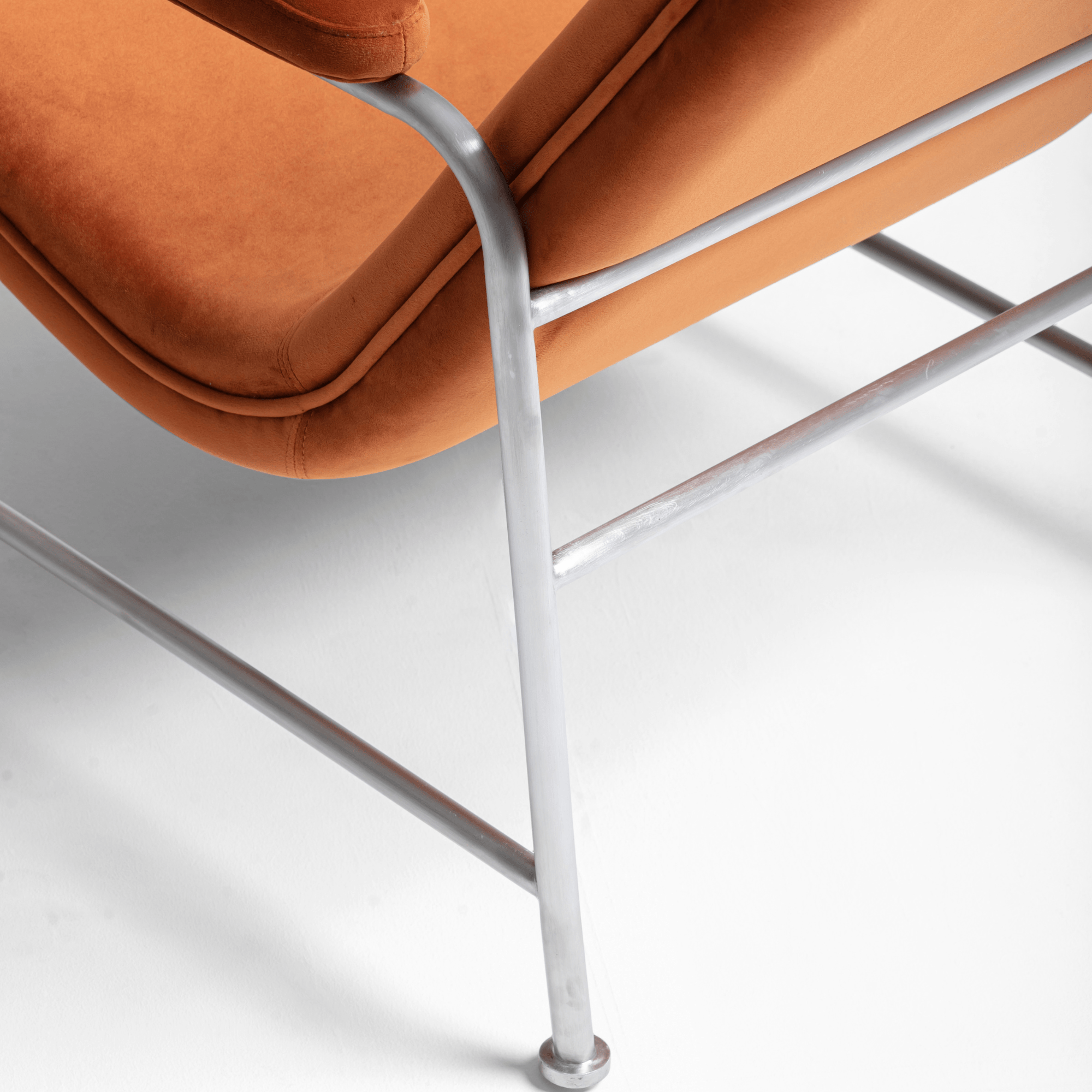
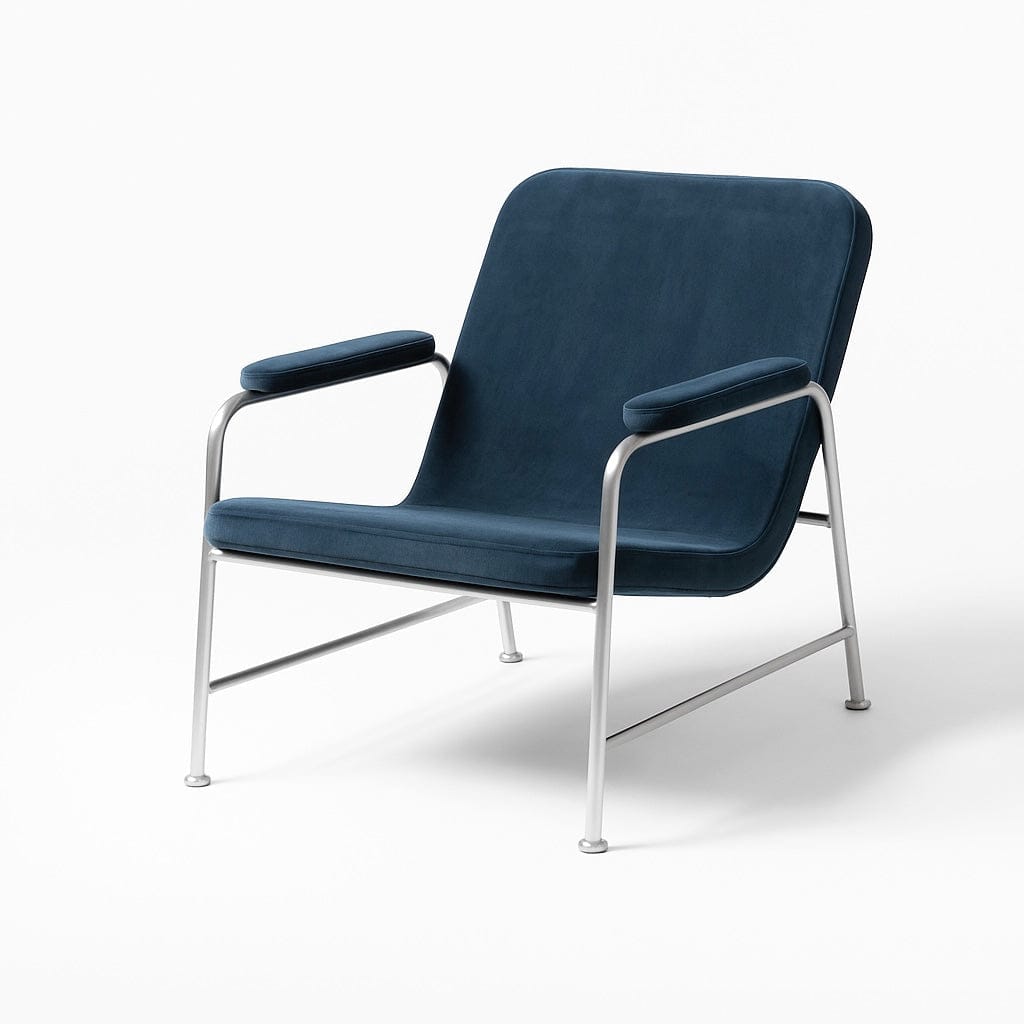
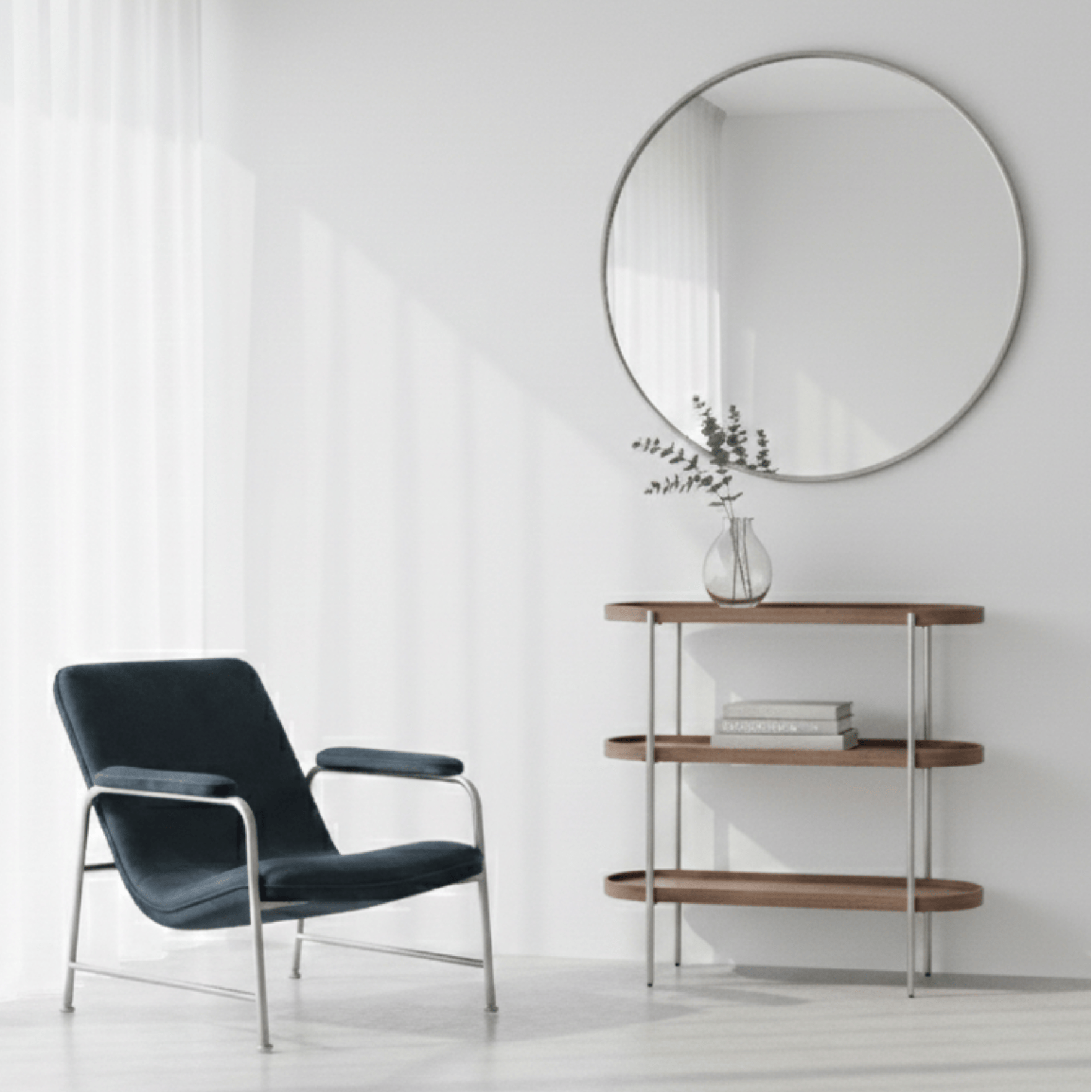
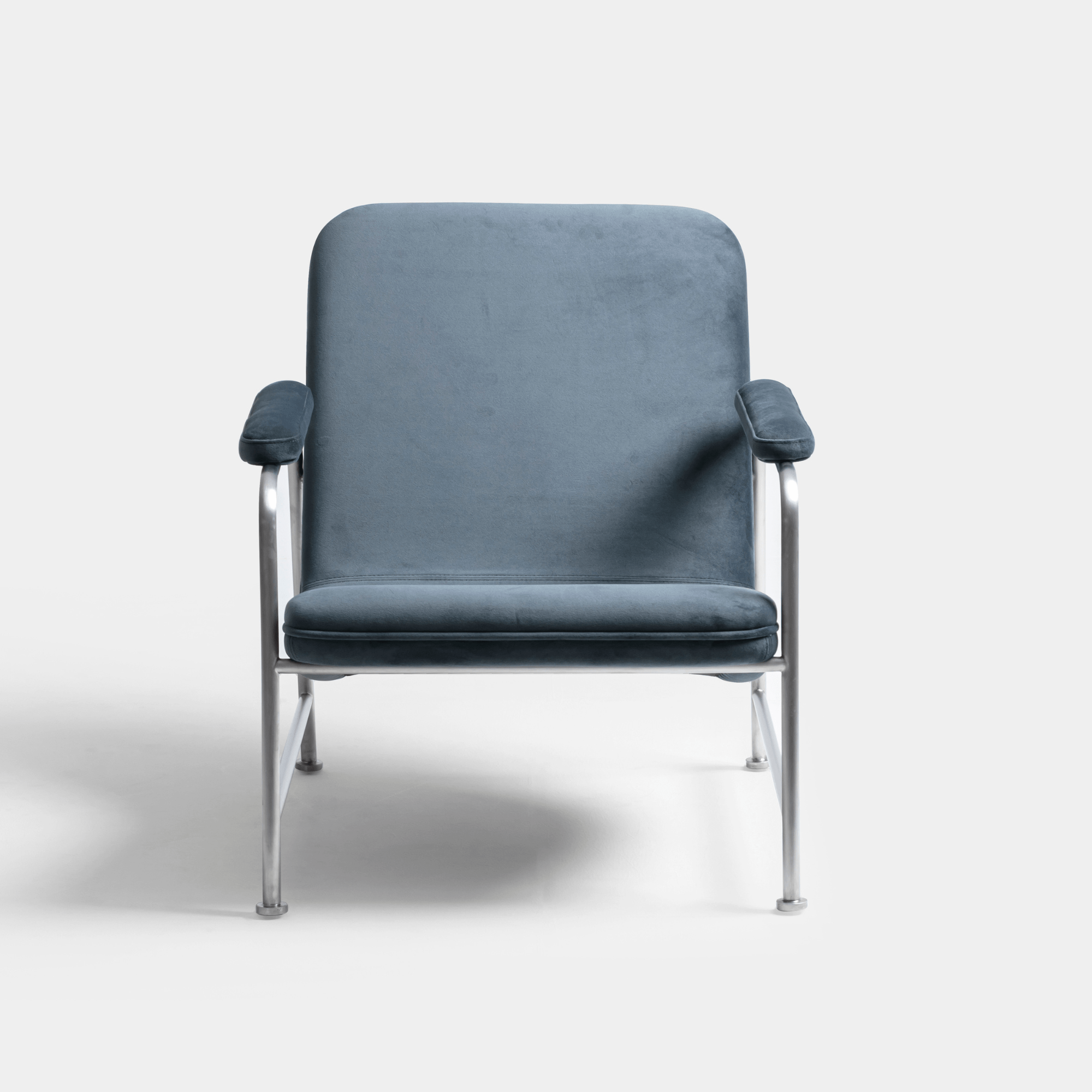
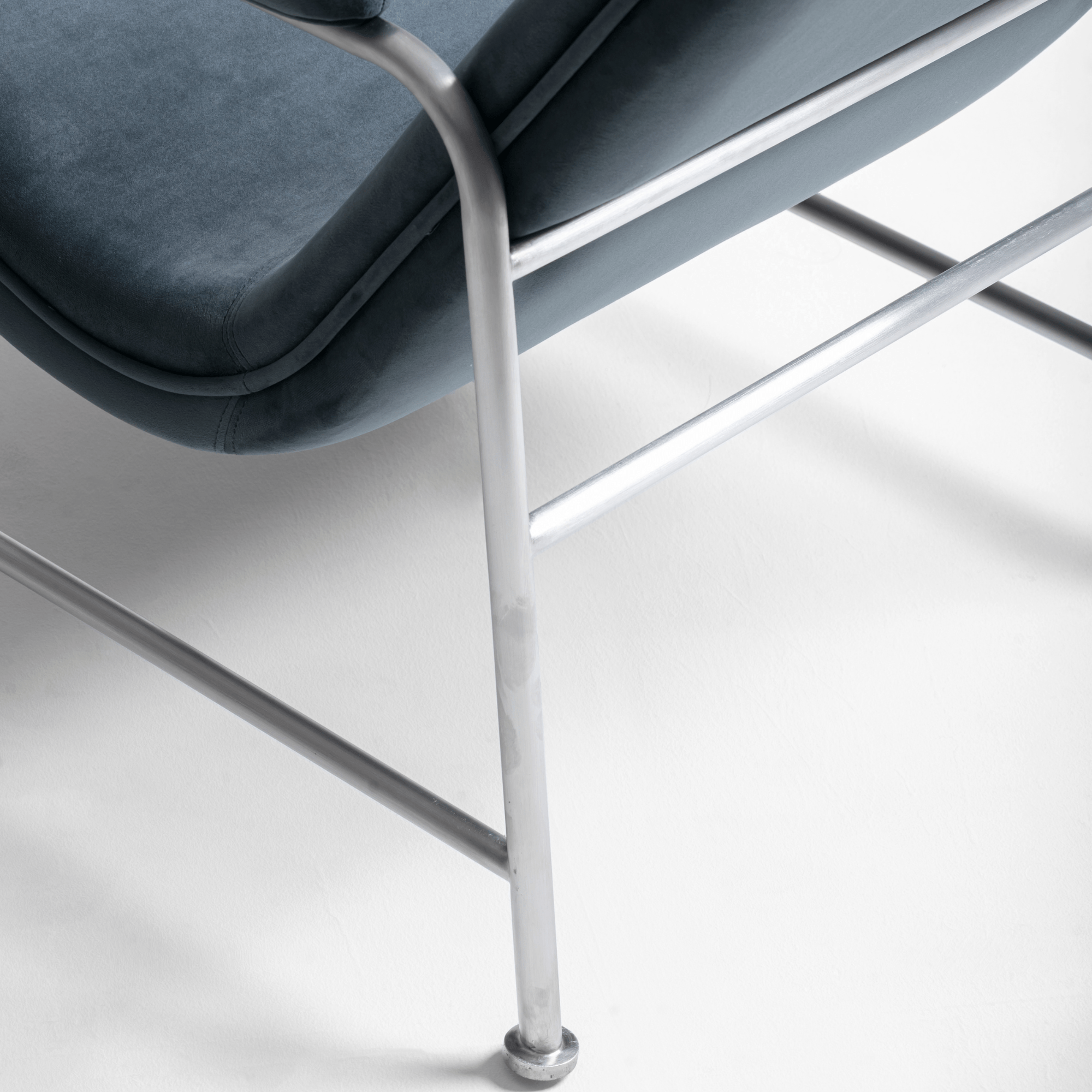
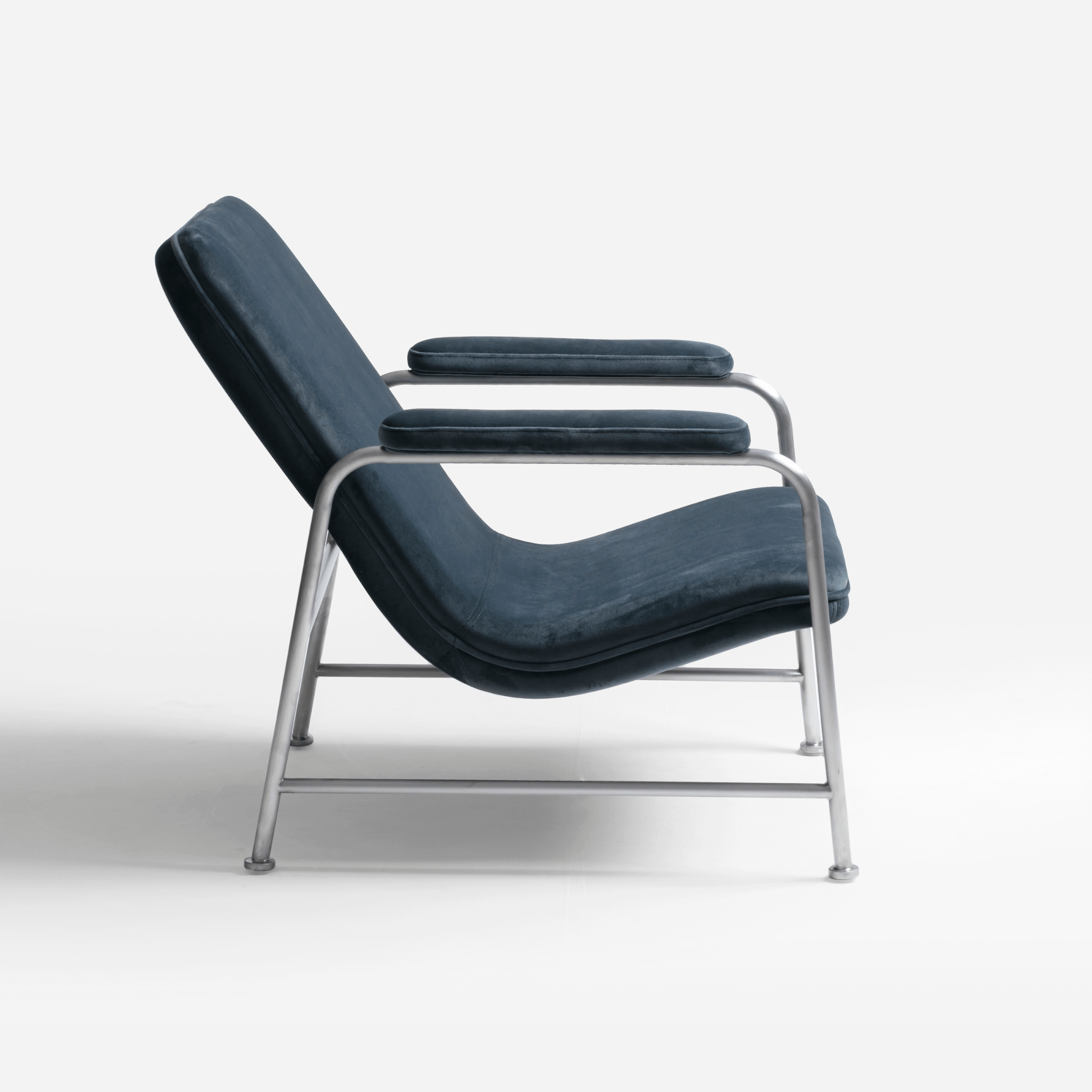
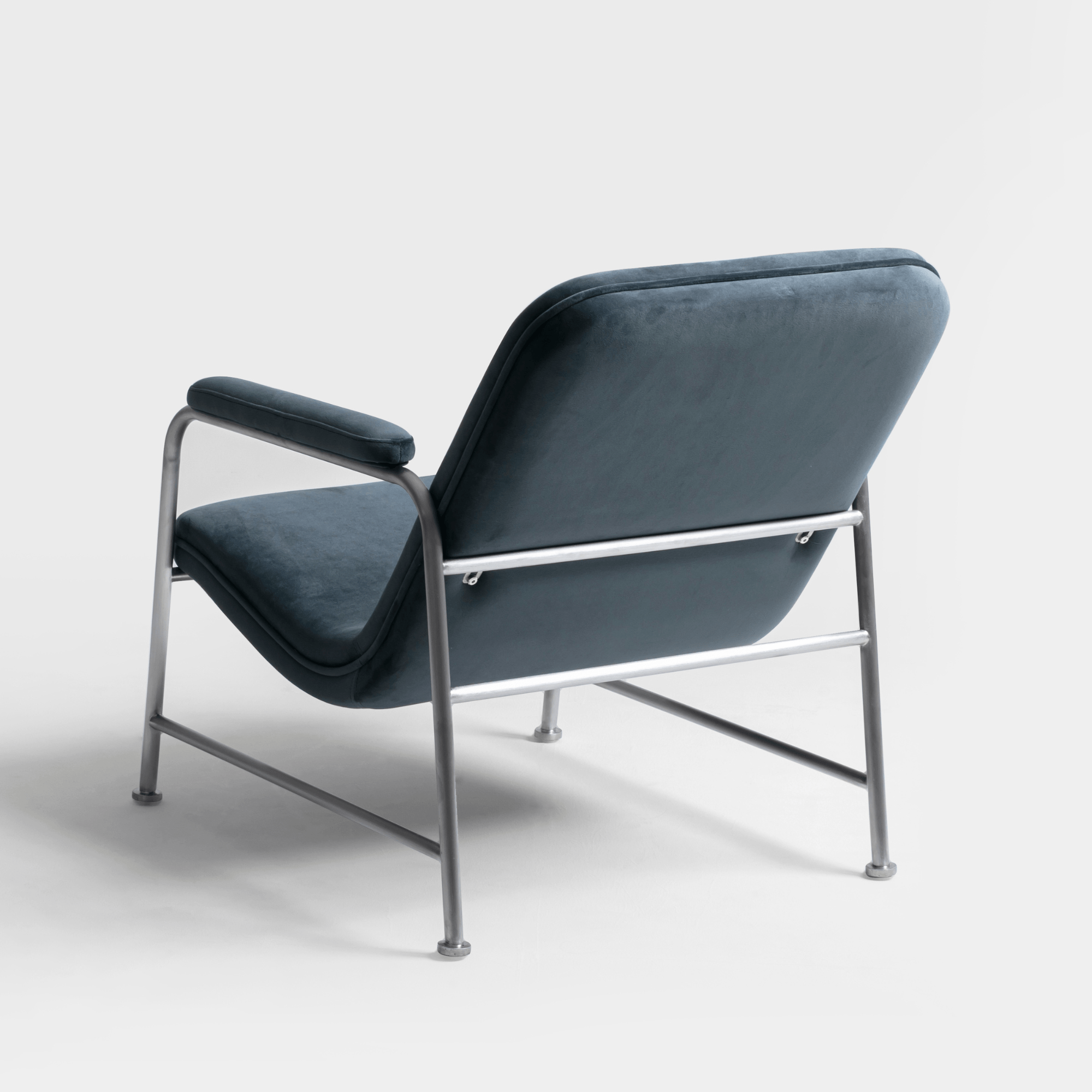
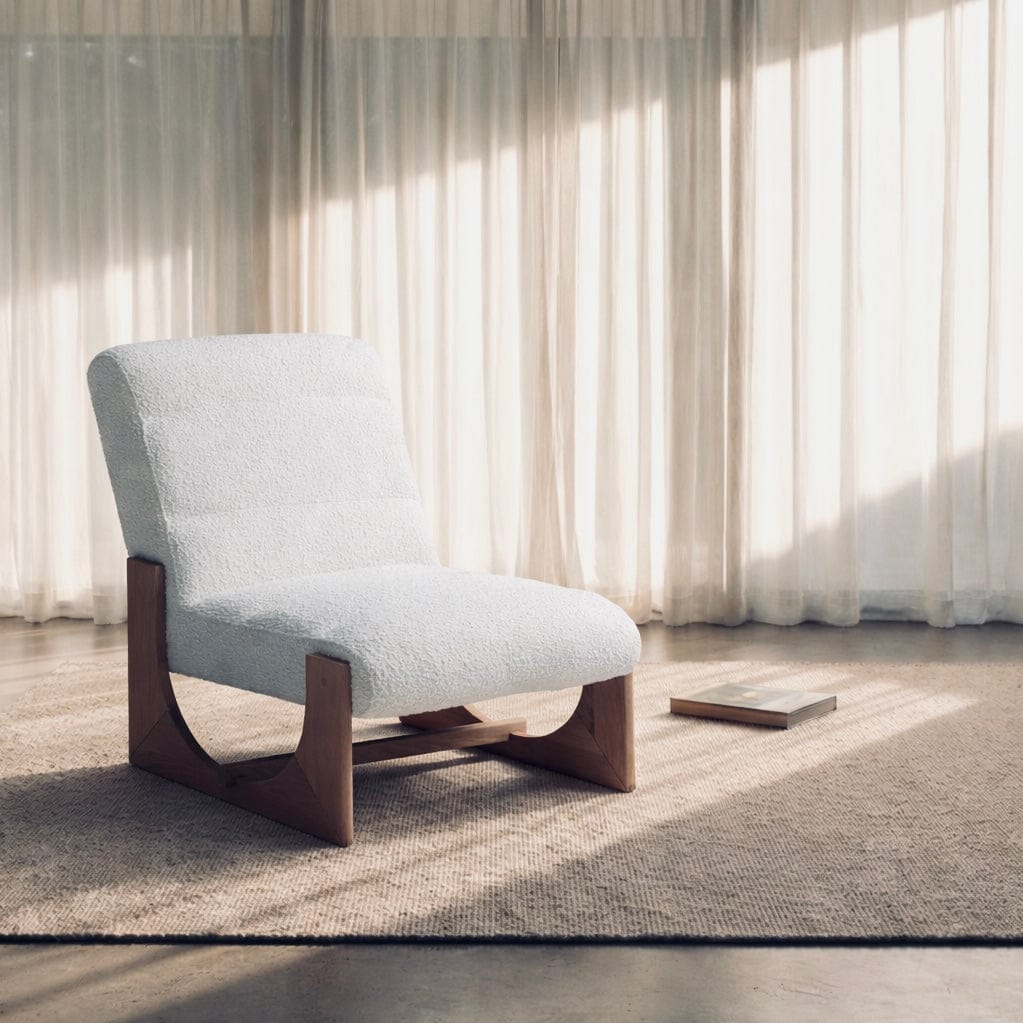
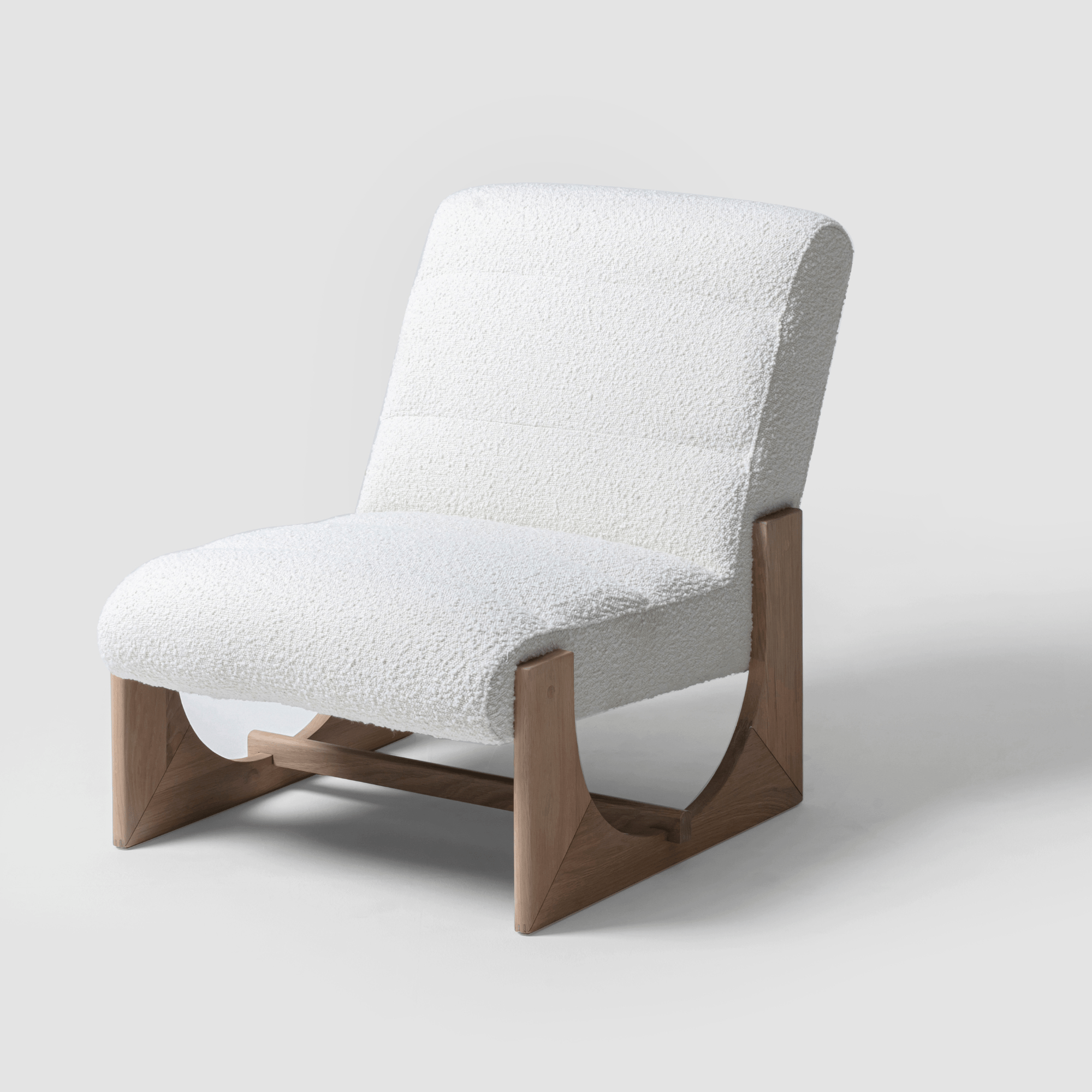
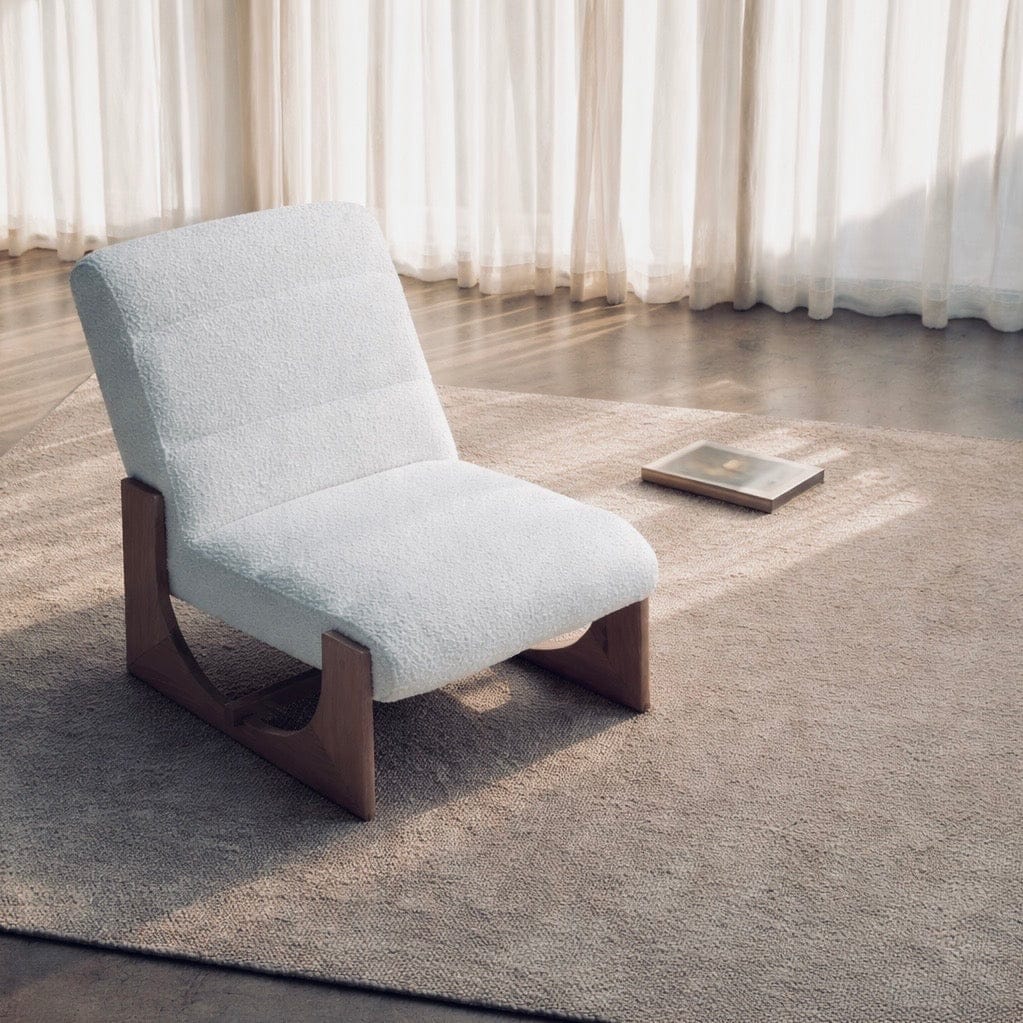
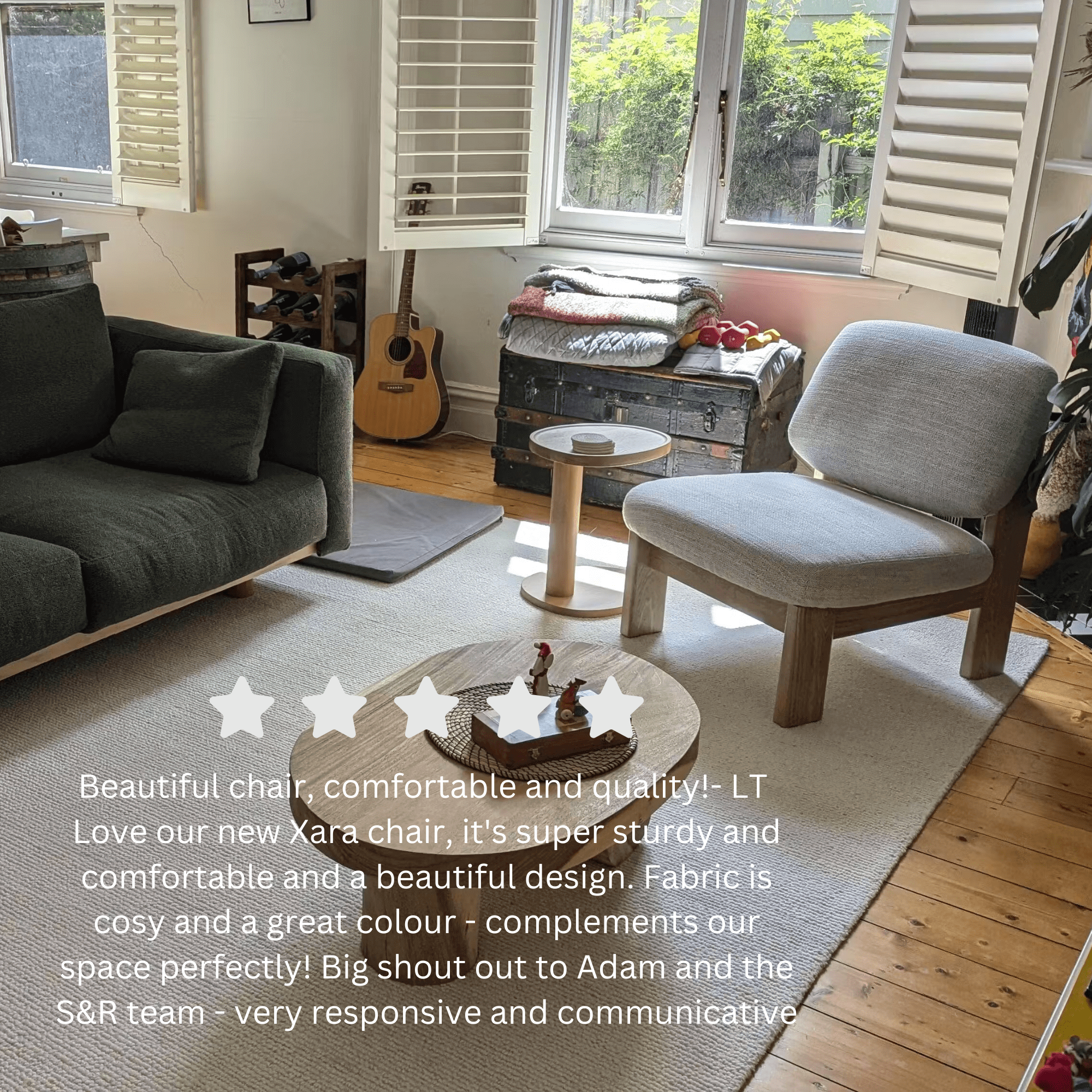
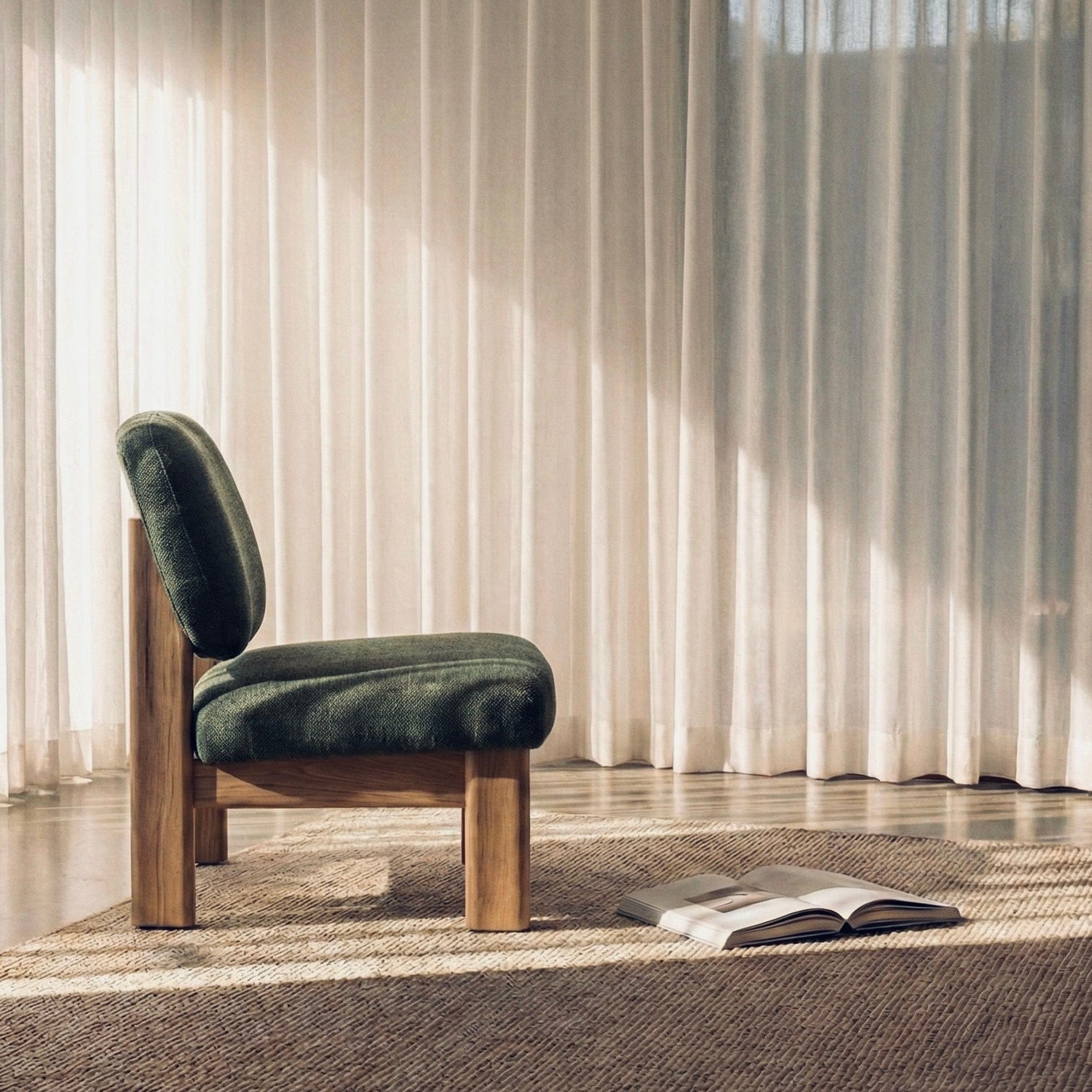
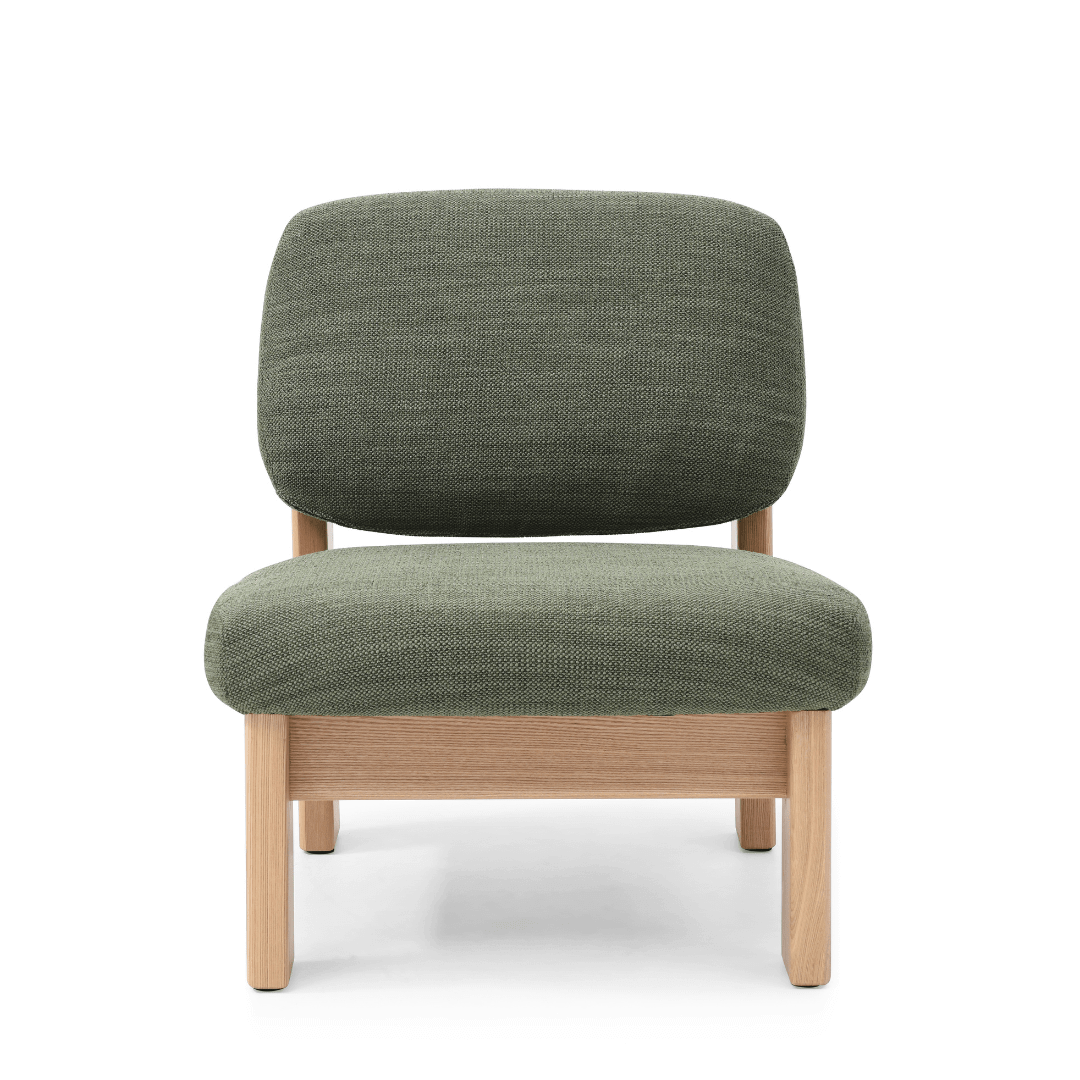
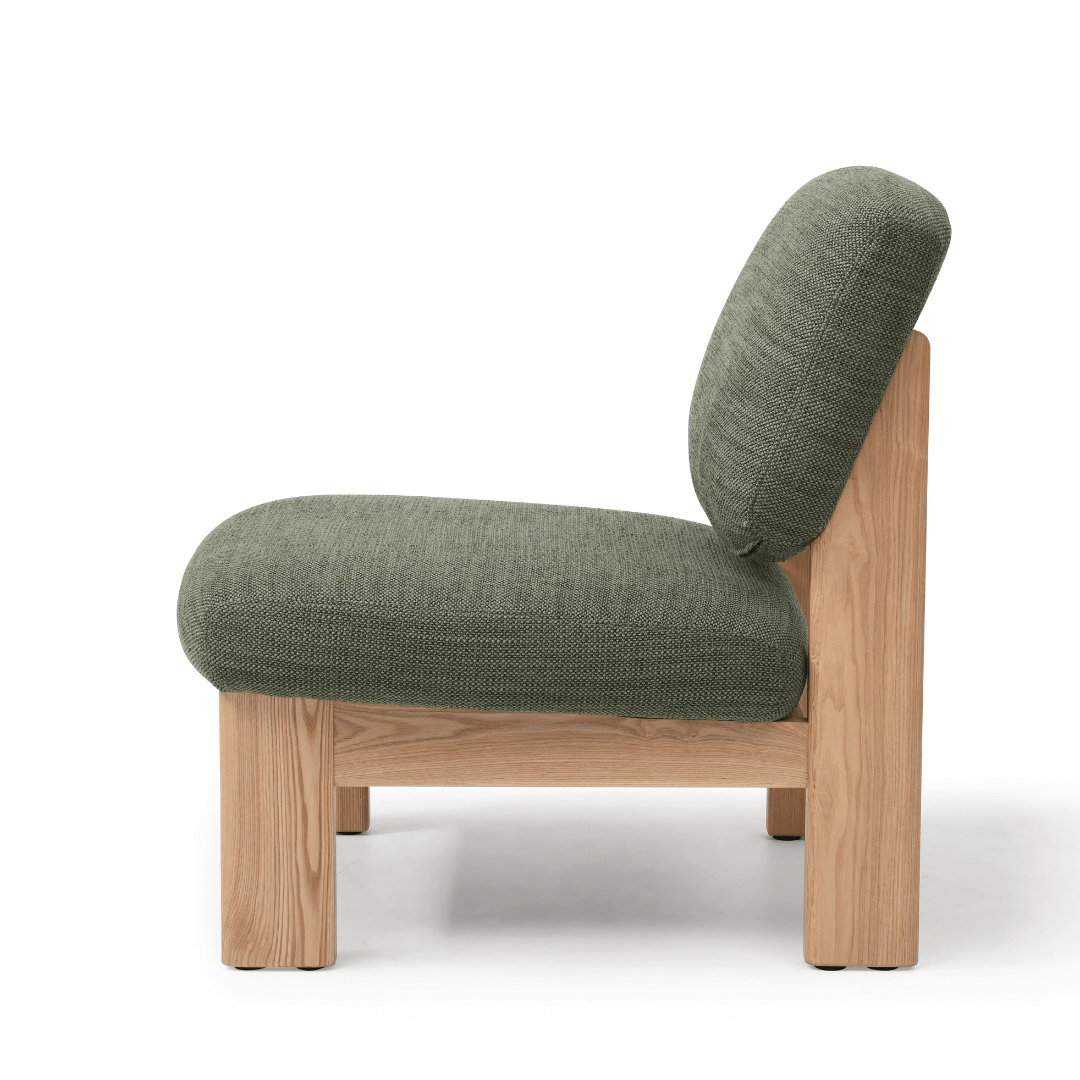
The Seek & Ramble mid-century modern armchair range interprets these principles without literal period reproduction. The Luna Upholstered Armchair brings a contemporary softness to the mid-century silhouette, available in Natural, Navy and Sky. The Mattia Armchair offers a more graphic, tailored form in both leather (Black, Tan) and upholstered fabric (Pepper, Olive). The Xara Occasional Chair's compact sculptural form is well-suited to mid-century influenced interiors. The Milo Lounge Chair with its brushed steel frame and the Oscar Lounge Chair with boucle and oak extend the range further.
Mid-century modern armchairs work particularly well alongside Natural Ash and walnut furniture, warm metal accents and a palette built around natural, earthy tones. Also browse mid-century modern accent chairs, explore all occasional chairs, view modern coastal armchairs for a lighter interpretation, or shop chairs on sale for reduced prices. Delivered across Australia from the Sydney warehouse — including Sydney, Melbourne, Brisbane, Perth and Adelaide.
Frequently Asked Questions
Q: What defines a mid-century modern armchair? +
A: Mid-century modern armchairs are characterised by clean lines, tapered or slimline legs, graphic silhouettes and upholstered seats with defined back and arm profiles. The aesthetic emphasises functional beauty — form follows function — with materials like leather, upholstered fabric and solid timber.
Q: Does a mid-century modern armchair suit a contemporary living room? +
A: Yes — mid-century modern armchairs work well in contemporary interiors because the design principles are compatible: clean lines, considered proportions and quality materials apply to both aesthetics. The key is choosing a colourway — also explore mid-century modern accent chairs for a more compact option.
Q: What colours work with mid-century modern armchairs? +
A: Mid-century modern design traditionally uses warm, earthy tones — caramel leather, olive fabric, mustard, rust and warm natural upholstery. These pair well with walnut and Natural Ash timber, brushed metal frames and warm neutral walls.
Q: What is the Mattia Armchair? +
A: The Mattia Armchair by Francesco Feliziani is available in Leather Black ($1,299), Leather Tan ($1,299), Upholstered Natural Pepper ($599) and Upholstered Olive ($497). It features a mid-century influenced silhouette with a contemporary tailored quality, suitable for living rooms, offices and reading corners. Currently available at reduced prices in the occasional chairs for sale range.
Q: What is the difference between mid-century modern and contemporary design? +
A: Mid-century modern refers to the design movement of the 1950s–60s, characterised by functional forms, tapered legs and warm timber tones. Contemporary design is more broadly defined by current trends — cleaner, often more minimal, and less reliant on period references. Many contemporary Australian interiors blend both.
Q: How do I care for a mid-century modern upholstered armchair? +
A: Vacuum the upholstery regularly and spot-clean spills immediately. For leather, use a suitable leather cleaner and conditioner every few months. Avoid placing the chair in direct sunlight for extended periods to prevent fading. Check the care label for material-specific guidance.
Q: Do you deliver mid-century modern armchairs across Australia? +
A: Yes — all pieces ship from the Sydney warehouse with fast delivery across Australia. Estimated delivery times are shown at checkout. Sydney warehouse pick-up is also available.